
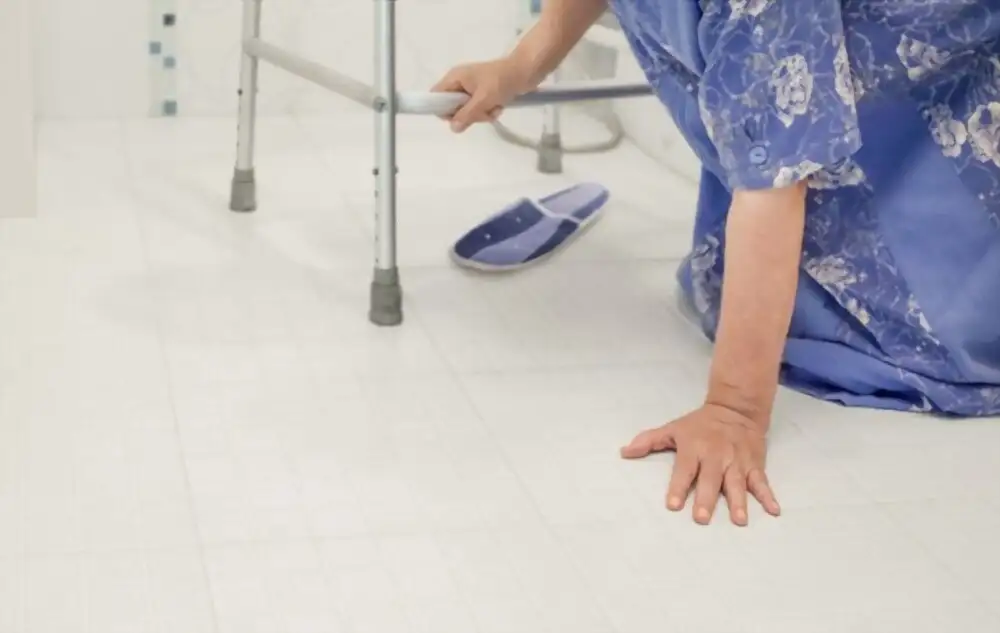
Preventing Falls for Seniors and Having an Alarm System
Complete Guide to Fall Prevention and Medical Alert Systems for Seniors
Written & Reviewed by


Last updated:
If You Need Emergency Help
Call 911 immediately if:
- You’ve fallen and can’t get up
- You have severe pain after a fall
- You suspect a broken bone or head injury
- You’re experiencing chest pain, difficulty breathing, or confusion
National Emergency Resources:
- 911 – For immediate medical emergencies
- 211 – For local health and social services information
- 1-800-677-1116 – Eldercare Locator for local Area Agency on Aging
Key Takeaways
- One in four adults 65 and older falls each year, with more than 2.8 million older adults treated in emergency departments for fall-related injuries in 2021
- Community-based fall prevention programs can reduce in-home falls by nearly 40%
- Medical alert systems provide 24/7 emergency response and peace of mind for seniors and their families
- Simple home modifications like grab bars, better lighting, and removing tripping hazards can prevent most falls
- Regular exercise, medication reviews, and vision checks are proven ways to reduce fall risk
Understanding Fall Risks for Seniors
The Reality of Falls
Falls among older adults are not a normal part of aging – they’re preventable. Every 11 seconds, an older adult is treated in an emergency room for a fall. These incidents have serious consequences:
- 20% of seniors who fall suffer fractures, head injuries, or other serious consequences
- Over 800,000 elderly patients are hospitalized annually due to fall injuries
- Falls are the most common cause of traumatic brain injury among older adults
The financial impact is equally staggering. Fall-related medical costs can range from thousands to tens of thousands of dollars per incident, not including the long-term care costs that may follow.
Who’s at Higher Risk
Fall risk increases significantly with age:
| Age Group | Annual Fall Rate |
|---|---|
| 65-74 years | 25% |
| 75-84 years | 32% |
| 85+ years | 45% |
Source: CDC Fall Prevention Data
Main Risk Factors
Research has identified several key factors that increase fall risk:
Environmental Factors
- Over half of all falls occur at home
- Poor lighting, especially at night
- Loose rugs, clutter, and uneven surfaces
- Missing handrails on stairs
- Slippery bathroom surfaces
Medical Factors
- Taking four or more medications
- Medications causing dizziness or drowsiness
- Conditions like diabetes, heart disease, or arthritis
- Vision problems or hearing loss
- Previous falls or fear of falling
Physical Factors
- Muscle weakness and balance problems
- Foot problems or improper footwear
- Low vitamin D levels
- Cognitive changes or dementia
Proven Fall Prevention Strategies
1. Home Safety Modifications
Your home environment plays a crucial role in fall prevention. Research shows that home modification programs can reduce in-home falls by nearly 40%.
Essential Bathroom Safety Features
| Modification | Cost Range | Installation Difficulty |
|---|---|---|
| Grab bars (shower/toilet) | $50-$200 | Moderate |
| Shower seat | $40-$150 | Easy |
| Non-slip mats | $15-$50 | Easy |
| Raised toilet seat | $30-$100 | Easy |
| Walk-in tub | $3,000-$15,000 | Professional required |
Lighting Improvements
Proper lighting is critical for preventing falls:
- Install motion-sensor lights in hallways and bathrooms
- Add light switches at both the top and bottom of stairs
- Use nightlights to illuminate pathways
- Replace dim bulbs with brighter, non-glare options
- Ensure outdoor areas are well-lit
Stairway Safety
Falls on stairs are particularly dangerous:
- Install sturdy handrails on both sides
- Add non-slip treads to each step
- Ensure steps are even and in good repair
- Consider stair lifts for those with mobility issues
- Keep stairs free of clutter and obstacles
2. Exercise and Physical Activity
The CDC’s STEADI (Stopping Elderly Accidents, Deaths & Injuries) initiative emphasizes exercise as a key fall prevention strategy. Regular physical activity improves strength, balance, and coordination.
Recommended Exercise Types
Balance Training
- Tai Chi classes (shown to reduce falls by 25-50%)
- Standing on one foot exercises
- Heel-to-toe walking
- Yoga for seniors
Strength Training
- Light weights or resistance bands
- Chair exercises
- Wall push-ups
- Leg lifts and squats
Flexibility and Mobility
- Daily stretching routines
- Range-of-motion exercises
- Walking programs
- Water aerobics
Safety Note: Always consult your doctor before starting any exercise program. Many community centers offer fall prevention exercise classes specifically designed for seniors.
3. Medication Management
Taking multiple medications significantly increases fall risk. Work with your healthcare provider to:
- Review all medications regularly
- Identify drugs that cause dizziness or drowsiness
- Discuss alternatives to high-risk medications
- Ensure proper timing and dosages
- Consider medication management tools or services
High-Risk Medications
- Blood pressure medications
- Sleep aids and sedatives
- Anti-anxiety medications
- Some antidepressants
- Muscle relaxants
- Pain medications
4. Vision and Hearing Care
Regular check-ups for vision and hearing problems are essential:
- Get annual eye exams
- Update prescription glasses as needed
- Treat cataracts promptly
- Address hearing loss (which affects balance)
- Use proper lighting when reading or moving around
Medical Alert Systems: Your Safety Lifeline
Why Medical Alert Systems Matter
Studies show that 62% of fall victims who don’t receive help during the first hour (the “golden hour”) may lose their ability to live independently. Medical alert systems bridge this critical gap.
Types of Medical Alert Systems
In-Home Systems
How they work: Base station connects to your home phone line or cellular network. You wear a pendant or wristband with an emergency button.
Range: Typically 200-1,000 feet from the base station
Best for: Seniors who spend most time at home
Average cost: $25-$40 per month
Mobile Systems
How they work: GPS-enabled devices that work anywhere with cellular coverage
Features: Location tracking, two-way communication, caregiver apps
Best for: Active seniors who travel frequently
Average cost: $30-$60 per month
Smartwatch Systems
How they work: Wearable devices with built-in emergency features, GPS, and health monitoring
Additional features: Activity tracking, medication reminders, heart rate monitoring
Best for: Tech-comfortable seniors who want multiple features
Average cost: $40-$80 per month
Top Medical Alert System Features
| Feature | Importance | What to Look For |
|---|---|---|
| Response Time | Critical | Under 60 seconds average |
| Fall Detection | High | Automatic alert capability |
| GPS Tracking | High (mobile) | Accurate location services |
| Battery Life | High | 2-5 years for pendant |
| Range | Medium | 1,000+ feet for home systems |
| Two-Way Communication | Medium | Clear audio quality |
Leading Medical Alert Companies (2025)
Based on expert testing and consumer reviews:
- Bay Alarm Medical – Best overall value, $24.95/month starting price
- Medical Guardian – Fastest response times (8 seconds average)
- ADT Medical Alert – Reliable brand with good customer service
- Medical Care Alert – Strong BBB rating and transparent pricing
Important: Avoid companies requiring long-term contracts. Reputable providers offer month-to-month service with 30-day money-back guarantees.
What to Expect from Monitoring Services
When you press your emergency button:
- Immediate response – Trained operator answers within seconds
- Assessment – Operator determines the nature of your emergency
- Action taken – Depending on situation:
- Contact family members for non-emergencies
- Dispatch emergency services if needed
- Stay on the line until help arrives
All reputable monitoring centers are staffed 24/7 by EMT/EMD-certified operators based in the United States.
Special Considerations for Different Senior Populations
Veteran Seniors
Veterans have access to specialized fall prevention resources:
- VA STEADI Program – Fall prevention services through VA medical centers
- Home modifications – VA may cover certain safety modifications
- Adaptive equipment – Wheelchairs, walkers, and other mobility aids
- Contact: Your local VA medical center or call 1-800-827-1000
Disabled Seniors
Seniors with disabilities may need specialized equipment and services:
- Modified alert devices for hearing or vision impairments
- Accessible home modifications meeting ADA standards
- Coordination with existing disability services
- Equipment that works with wheelchairs or mobility devices
- Resources: Contact your state’s disability services agency or Independent Living Center
Tribal Seniors
Native American seniors on tribal lands may have access to specific programs:
- Indian Health Service fall prevention programs
- Tribal Area Agencies on Aging
- Traditional healing practices combined with modern fall prevention
- Contact: Your tribal health services or the National Indian Council on Aging at 505-292-2001
Rural Seniors
Seniors in rural areas face unique challenges:
- Cellular coverage – Ensure mobile alert systems work in your area
- Response times – Emergency services may take longer to arrive
- Home modifications – Contractors may be limited or more expensive
- Transportation – Getting to exercise programs or medical appointments
- Resources: USDA Rural Development programs may offer home modification assistance
Healthcare Provider Partnership
The STEADI Approach
The CDC’s STEADI initiative provides healthcare providers with tools to assess and reduce fall risk. Your doctor should:
- Screen for fall risk annually
- Assess specific risk factors
- Intervene with appropriate treatments and referrals
Questions to Ask Your Doctor
- What’s my personal fall risk level?
- Do any of my medications increase fall risk?
- Should I take vitamin D supplements?
- Do you recommend any specific exercise programs?
- Would a referral to physical therapy help?
- Are there community fall prevention programs in our area?
When to See a Specialist
Consider seeing a specialist if you have:
- Frequent dizziness or balance problems
- Multiple falls in the past year
- Serious injuries from falls
- Fear of falling that limits your activities
- Complex medical conditions affecting mobility
Technology and Smart Home Solutions
Smart Home Devices for Fall Prevention
Modern technology can enhance senior safety:
Voice Assistants
- Amazon Alexa or Google Home for hands-free emergency calls
- Set medication reminders
- Control lighting and thermostats
Smart Lighting
- Motion-activated lights for nighttime safety
- Programmable lighting schedules
- Remote control capability
Security Systems
- Door and window sensors
- Indoor cameras for family monitoring (with consent)
- Smart locks for emergency access
Wearable Technology
- Apple Watch or similar devices with fall detection
- Fitness trackers to monitor activity levels
- Blood pressure and heart rate monitors
Apps and Digital Resources
Helpful smartphone apps for seniors:
- Medication reminder apps
- Emergency contact apps
- Balance and exercise apps
- Telehealth platforms for medical consultations
Emergency Preparedness and Response
Creating an Emergency Plan
Every senior should have a comprehensive emergency plan:
Emergency Contacts
- Primary care physician
- Local hospital and urgent care
- Family members and close friends
- Neighbors who can check on you
- Medical alert monitoring service
Medical Information
- Current medications list
- Medical conditions and allergies
- Insurance information
- Emergency medical directives
Home Preparation
- Install lockbox for emergency responders
- Keep flashlights and batteries accessible
- Maintain charged phone or backup power
- Post emergency numbers in visible locations
What to Do After a Fall
If you fall but aren’t seriously injured:
- Stay calm and assess yourself for injuries
- Don’t rush to get up – take your time
- Look for a sturdy chair or furniture to help you up
- Call for help if you can’t get up safely
- Contact your doctor even if you feel fine
- Review what caused the fall to prevent future incidents
Getting Up Safely:
- Roll onto your side
- Get onto your hands and knees
- Crawl to a sturdy chair
- Place both hands on the seat
- Bring one foot up, then the other
- Push up with your hands and legs
Cost Considerations and Financial Assistance
Typical Costs
Medical Alert Systems:
- Setup fees: $0-$100 (many companies waive these)
- Monthly monitoring: $25-$80
- Equipment: Often included or low one-time fee
Home Modifications:
- Basic safety items (grab bars, lighting): $100-$500
- Bathroom renovations: $3,000-$10,000
- Major accessibility modifications: $10,000-$25,000
Funding Sources and Assistance Programs
Medicare Coverage:
- Generally doesn’t cover medical alert systems
- May cover some home medical equipment
- Covers fall-related medical treatment
Medicaid:
- Some states cover medical alert systems
- Home modification programs in many states
- Contact your state Medicaid office for details
Other Funding Sources:
- Area Agencies on Aging – Local assistance programs
- Veteran Affairs – Benefits for eligible veterans
- USDA Rural Development – Home repair grants for rural areas
- Rebuilding Together – Volunteer home modification program
- Local nonprofits – Community-specific assistance
Insurance Options:
- Some private insurance plans cover medical alert systems
- Long-term care insurance may cover home modifications
- Contact your insurance provider for coverage details
Financial Planning Tips
- Compare costs vs. potential medical expenses from falls
- Look for discounts – many companies offer senior discounts
- Consider family plans – some systems allow monitoring for couples
- Check warranties – ensure equipment is covered for repairs
- Tax deductions – some medical alert and home modification costs may be deductible
Resources by Region
National Resources
Centers for Disease Control and Prevention (CDC)
- Website: cdc.gov/falls
- STEADI toolkit and resources
- Phone: 800-232-4636
National Council on Aging (NCOA)
- Website: ncoa.org
- Falls prevention resources and programs
- Phone: 571-527-3900
National Institute on Aging
- Website: nia.nih.gov
- Comprehensive aging and health information
- Phone: 800-222-2225
Eldercare Locator
- Website: eldercare.acl.gov
- Local Area Agency on Aging finder
- Phone: 800-677-1116
State and Local Resources
Area Agencies on Aging Each state has multiple Area Agencies on Aging that provide:
- Home modification programs
- Fall prevention classes
- Transportation services
- Meal programs
- Caregiver support
State Departments of Health Many states offer fall prevention initiatives and funding programs.
Community Centers Local community and senior centers often provide:
- Exercise classes designed for seniors
- Health screenings
- Educational programs
- Social activities to reduce isolation
Frequently Asked Questions (FAQs)
General Fall Prevention
Q: Are falls a normal part of aging? A: No. While fall risk increases with age, falls are not inevitable. Most falls can be prevented through proper safety measures, exercise, and medical care.
Q: How often should I have my home assessed for fall hazards? A: Ideally annually, or after any health changes, medication adjustments, or minor falls. Professional assessments are available through occupational therapists or Area Agencies on Aging.
Q: What’s the most important thing I can do to prevent falls? A: Research shows the most effective approach combines exercise, medication management, and home modification. Regular exercise that improves balance and strength is particularly important.
Q: Should I tell my doctor about a fall even if I wasn’t hurt? A: Yes, absolutely. Even falls without injury are important for your doctor to know about, as they may indicate underlying health issues or medication problems.
Medical Alert Systems
Q: Do medical alert systems work without a landline? A: Yes. Modern systems can use cellular networks, just like a cell phone. Many companies offer both landline and cellular options.
Q: What if I accidentally press the emergency button? A: Simply tell the operator it was an accident. This happens frequently and operators are trained to handle false alarms professionally.
Q: Can family members track my location with a medical alert system? A: Many systems offer caregiver apps that allow family members to check your location and receive notifications about emergency calls. You control these privacy settings.
Q: Are medical alert systems covered by Medicare? A: Generally no, but some Medicare Advantage plans may offer coverage. Check with your specific plan for details.
Q: How long do the batteries last in medical alert pendants? A: Typically 2-5 years, depending on usage. The monitoring center will notify you when battery replacement is needed.
Home Modifications
Q: How much do grab bars cost to install? A: Basic grab bar installation typically ranges from $125-$300, depending on your location and the complexity of installation.
Q: Can I install safety equipment myself? A: Some items like non-slip mats and lighting are easy DIY projects. However, grab bars and major modifications should be installed by professionals to ensure proper weight capacity and placement.
Q: Will home modifications lower my home’s value? A: Generally no. Many safety modifications like improved lighting and bathroom safety features can actually increase home value and appeal to a broader range of buyers.
Exercise and Health
Q: I’m afraid of falling during exercise. What should I do? A: Start with chair exercises or supervised classes specifically designed for seniors. Many programs are designed for people with limited mobility or fall anxiety.
Q: How do I find fall prevention exercise classes near me? A: Contact your local Area Agency on Aging, community centers, or YMCA. Many offer evidence-based programs like Tai Chi: Moving for Better Balance.
Q: What if I live alone and am worried about exercising? A: Consider virtual classes, exercising with friends, or using a medical alert system during physical activity. Many seniors find exercise buddies through community programs.
About this Guide
This comprehensive guide was created to provide seniors and their families with accurate, up-to-date information about fall prevention and medical alert systems. The information presented here is based on current research from reputable sources including the Centers for Disease Control and Prevention, National Institute on Aging, and leading medical journals.
Sources and Evidence: All statistics and recommendations are sourced from peer-reviewed research, government health agencies, and established medical organizations. We prioritize evidence-based interventions that have been proven effective in clinical trials.
Regular Updates: Fall prevention research and technology continue to evolve. This guide is updated regularly to reflect new findings, technologies, and resources.
Professional Consultation: While this guide provides comprehensive information, it should not replace professional medical advice. Always consult with your healthcare provider before making significant changes to your exercise routine, medications, or health management plan.
Inclusivity and Accessibility: We strive to provide information that serves all seniors, including those from diverse backgrounds, those with disabilities, and those in various geographic and economic situations.
For questions about this guide or to suggest updates, please contact your local Area Agency on Aging or visit the CDC’s fall prevention resources at cdc.gov/falls.
Disclaimer
The information provided in this guide is for educational purposes only and should not be considered medical advice. Fall prevention strategies and medical alert systems should be chosen in consultation with healthcare providers who understand your individual health needs and circumstances.
Program details, costs, and availability can change. Always verify current information with service providers, healthcare professionals, and relevant agencies before making decisions. Medicare, Medicaid, and insurance coverage varies by plan and location.
While every effort has been made to ensure accuracy, readers should independently verify all information, especially regarding costs, insurance coverage, and local program availability. The authors and publishers are not responsible for any errors or omissions, or for any consequences from the use of this information.
About the Authors