
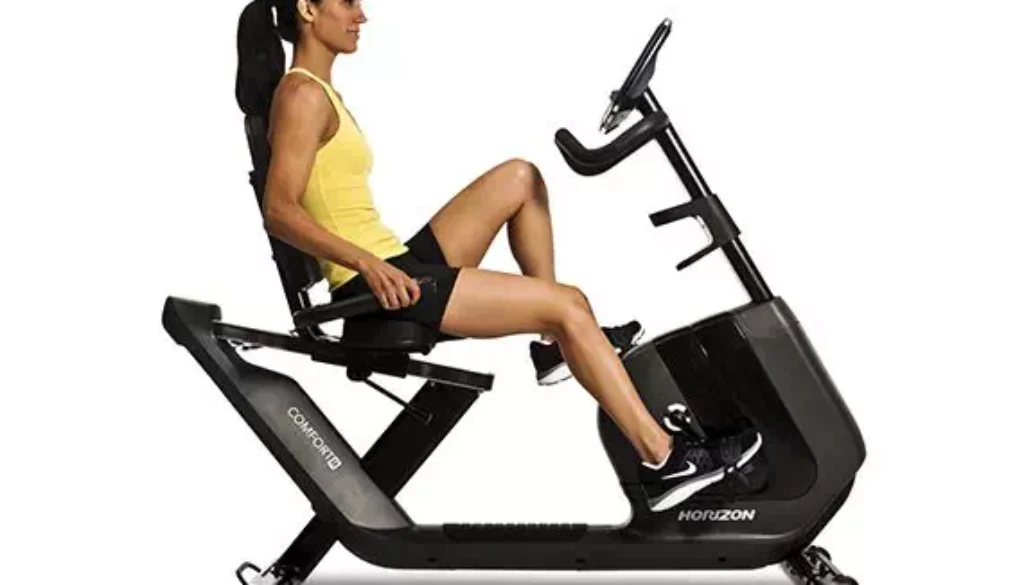
Best Exercise Bikes for Seniors
The Complete Guide to Exercise Bikes for Seniors: Safe and Effective (2025)
Emergency Safety Information
Written & Reviewed by


STOP exercising immediately and seek medical attention if you experience:
- Chest pain, pressure, or tightness during or after exercise
- Severe shortness of breath that doesn’t improve with rest
- Dizziness, lightheadedness, or feeling faint
- Nausea or vomiting during exercise
- Irregular heartbeat or heart palpitations
- Sharp pain in your legs, back, or joints
- Unusual fatigue that lasts hours after exercise
NEVER start using an exercise bike without consulting your doctor if you have:
- Heart disease, heart attacks, or heart surgery history
- High or low blood pressure
- Diabetes (Type 1 or Type 2)
- Joint replacement surgery (knee, hip)
- Recent fractures or broken bones
- Balance problems or history of falls
- Chronic obstructive pulmonary disease (COPD)
- Take blood thinners or heart medications
Emergency preparedness:
- Keep your phone and emergency contacts within reach
- Exercise when someone else is home, especially when starting
- Stay hydrated – keep water nearby
- Start slowly and listen to your body
- Have a plan for getting help if needed
Key Takeaways
Bottom Line: Exercise bikes can be excellent, safe fitness tools for seniors when chosen and used properly. Recumbent bikes are generally the safest option, offering back support and easy access. The CDC recommends 150 minutes of moderate exercise weekly for adults 65+, and quality exercise bikes can help you achieve this goal safely at home.
Reality Check: Not all exercise bikes are suitable for seniors. Spin bikes and racing-style bikes can be dangerous for older adults. You’ll need to invest $200-$600 for a quality, senior-appropriate bike. Most importantly, your doctor must approve any new exercise program before you start.
Getting older doesn’t mean giving up on fitness—but it does mean being smarter about how you exercise. If you’re finding it harder to walk long distances, dealing with joint pain, or worried about balance, an exercise bike might be the perfect solution.
According to the Centers for Disease Control and Prevention, adults 65 and older need at least 150 minutes of moderate-intensity exercise each week. That’s just 30 minutes, five days a week. An exercise bike can help you reach this goal safely, regardless of weather, time of day, or mobility limitations.
But here’s the truth: not all exercise bikes are created equal, and choosing the wrong one could actually be dangerous.
Why Exercise Bikes Work So Well for Seniors
The Science Behind Low-Impact Exercise
Exercise bikes provide what doctors call “low-impact cardiovascular exercise.” This means your heart gets stronger without putting stress on your joints, bones, and muscles. Research shows that regular use of exercise bikes can:
- Improve heart health by strengthening your cardiovascular system
- Reduce diabetes risk by helping control blood sugar levels
- Strengthen leg muscles without stressing knee or hip joints
- Improve balance and coordination through regular pedaling motion
- Boost mental health by releasing feel-good hormones called endorphins
Real Health Benefits for Common Senior Conditions
For Heart Health: Studies indicate that regular cycling can effectively reduce heart rate, lower blood pressure, and improve overall cardiovascular health.
For Diabetes Management: Exercise bikes help your body use insulin more effectively, which can help manage blood sugar levels naturally.
For Arthritis Relief: The smooth, circular pedaling motion helps keep joints moving without the jarring impact of walking or running.
For Balance Issues: Seated exercise eliminates fall risk while still providing the movement your body needs.
Understanding Different Types of Exercise Bikes
Recumbent Bikes – Best for Most Seniors
Recumbent bikes have a large, comfortable seat with a backrest, and the pedals are positioned in front of you rather than below. This design offers several advantages:
Safety Benefits:
- Lower center of gravity reduces tip-over risk
- Easy step-through design for getting on/off
- Back support reduces strain
- Pedals positioned to minimize knee stress
Comfort Features:
- Large, cushioned seat distributes weight evenly
- Backrest supports your spine
- Natural arm position reduces shoulder tension
Upright Bikes – For Active Seniors Only
Upright bikes look more like traditional bicycles. While they can provide good exercise, they’re generally not the best choice for most seniors because:
Potential Issues:
- Requires good balance and coordination
- Can strain your back and neck
- Harder to get on and off safely
- May cause wrist and shoulder pain
When They Might Work:
- If you’re an experienced cyclist
- Have no balance issues
- Prefer a more “authentic” cycling feel
Spin/Indoor Cycling Bikes – Generally NOT Recommended
These high-intensity bikes are designed for vigorous workouts and are typically inappropriate for seniors because:
- Very aggressive riding position
- Difficult to adjust properly
- Often require special cycling shoes
- Designed for high-intensity interval training
Best Exercise Bikes for Seniors in 2025
We’ve researched dozens of models and consulted medical professionals to identify the safest, most effective options for seniors.
1. Marcy Magnetic Recumbent Exercise Bike – Best Overall Value
Price: $199-$249
Weight Capacity: 300 lbs
Key Features: Step-through design, 8 resistance levels, large LCD display
Where to buy: Amazon | Dick’s Sporting Goods | Walmart
This bike consistently gets top ratings from seniors because it combines safety, comfort, and affordability.
Why seniors love it:
- Large, easy-to-read LCD display with big buttons
- Step-through design requires minimal leg lift
- Quiet magnetic resistance won’t disturb others
- Compact size fits in most homes
- Simple controls – no complicated technology
Medical professional feedback: Physical therapists often recommend this model because the seat height and position work well for most seniors, including those recovering from hip or knee surgery.
Pros:
- Excellent value for money
- Easy assembly (most people complete in 30-45 minutes)
- Very stable and secure feeling
- Good customer service and warranty support
Cons:
- Basic features only (no fancy programs)
- Weight capacity lower than premium models
- Seat padding could be better for very long workouts
Best for: Budget-conscious seniors who want a reliable, safe bike without unnecessary bells and whistles.
2. Harison Recumbent Exercise Bike – Best Premium Option
Price: $499-$599
Weight Capacity: 400 lbs
Key Features: 16 resistance levels, heart rate monitoring, iPad holder
Where to buy: Amazon | Harison Official Store
This bike offers premium features while maintaining the safety profile seniors need.
Advanced features:
- Backlit LCD display easy to read in any lighting
- Heart rate sensors in handgrips
- 16 magnetic resistance levels for gradual progression
- Quick-adjust seat lever (no tools needed)
- Built-in device holder for tablets or phones
Safety enhancements:
- Extra-wide step-through opening
- Non-slip pedals with adjustable straps
- Emergency stop feature
- Very stable base design
Pros:
- Higher weight capacity accommodates more users
- Premium build quality lasts longer
- Heart rate monitoring helps track intensity
- Quiet operation perfect for apartments
Cons:
- Higher price point
- More features to learn (though still simple)
- Heavier unit (harder to move around)
Best for: Seniors who want premium features and don’t mind paying more for quality and durability.
3. Sunny Health & Fitness Essential Series – Best for Heart Conditions
Price: $179-$219
Weight Capacity: 220 lbs
Key Features: Bluetooth connectivity, SunnyFit app, pulse sensors
Where to buy: Sunny Health & Fitness | Amazon | Dick’s Sporting Goods
This bike connects to smartphone apps, making it easier to track your progress and share with healthcare providers.
Heart-healthy features:
- Built-in pulse sensors for real-time heart rate monitoring
- SunnyFit app tracks your exercise data
- 8 resistance levels allow gradual progression
- Compact design doesn’t intimidate new users
Technology benefits:
- App automatically tracks your workouts
- Easy to share progress with your doctor
- Free online workout videos included
- Compatible with most smartphones and tablets
Pros:
- App integration helpful for tracking
- Good for seniors comfortable with basic technology
- Includes free workout guidance
- Lightweight and easy to move
Cons:
- Lower weight capacity
- Requires smartphone for best features
- Some seniors may find technology overwhelming
Best for: Tech-comfortable seniors who want to track their progress and share data with healthcare providers.
4. MERACH Recumbent Exercise Bike – Most Comfortable
Price: $399-$449
Weight Capacity: 300 lbs
Key Features: Extra-large seat, mesh backrest, quiet operation
Where to buy: Amazon | Walmart
Designed specifically with senior comfort in mind, this bike prioritizes a pleasant exercise experience.
Comfort innovations:
- Extra-wide, extra-thick seat cushioning
- Breathable mesh backrest prevents sweating
- Whisper-quiet operation (quieter than a running faucet)
- Ergonomic handgrips reduce wrist strain
User-friendly design:
- Large, bright LCD display
- Simple button controls (no touchscreen confusion)
- Easy-reach water bottle holder
- Built-in device ledge for books or tablets
Pros:
- Exceptionally comfortable for longer workouts
- Very quiet operation
- Good build quality
- Pleasant exercise experience encourages regular use
Cons:
- Mid-range price point
- Limited resistance levels compared to premium models
- Assembly can be challenging for some
Best for: Seniors who prioritize comfort above all else and plan to exercise for longer periods.
5. Exerpeutic 400XL Folding Recumbent Bike – Best for Small Spaces
Price: $149-$189
Weight Capacity: 300 lbs
Key Features: Folds for storage, step-through design, large seat
Where to buy: Amazon | Walmart
Perfect for seniors with limited space who still want the benefits of recumbent bike exercise.
Space-saving benefits:
- Folds in half for storage in closets or under beds
- Lightweight design (only 63 lbs) for easy moving
- Takes up minimal floor space when in use
- No permanent setup required
Senior-friendly features:
- Large, comfortable seat with back support
- Easy step-through design
- Simple LCD display shows basic workout data
- Quiet operation won’t disturb neighbors
Pros:
- Excellent value for money
- Perfect for apartments or small homes
- Easy to store away when not in use
- Simple, no-fuss operation
Cons:
- Basic features only
- Folding mechanism may wear over time
- Not as stable as non-folding models
- Limited resistance levels
Best for: Seniors with limited space who want an affordable, space-saving exercise option.
6. Diamondback 910sr Recumbent Bike – Most Advanced
Price: $599-$699
Weight Capacity: 325 lbs
Key Features: 32 workout programs, automatic resistance adjustment, heart rate monitoring
Where to buy: Diamondback Fitness | Amazon
This bike offers the most sophisticated features while maintaining senior-appropriate safety.
Advanced features:
- 32 pre-programmed workouts designed by fitness professionals
- Automatic resistance adjustment based on your heart rate
- 32 levels of magnetic resistance
- Wireless heart rate monitoring capability
Smart training system:
- Programs automatically adjust difficulty based on your fitness level
- Heart rate-controlled workouts prevent overexertion
- Progress tracking helps you see improvement over time
- Contact heart rate sensors and wireless compatible
Pros:
- Most sophisticated training programs available
- Automatic adjustments prevent overexertion
- Professional-grade construction
- Comprehensive tracking and progress monitoring
Cons:
- Highest price point
- Complex features may overwhelm some seniors
- Requires understanding of heart rate zones
- Heavy unit difficult to relocate
Best for: Active seniors who want professional-level training programs and comprehensive fitness tracking.
7. Kawnina Recumbent Exercise Bike – Best New Option
Price: $299-$349
Weight Capacity: 400 lbs
Key Features: Quick-adjust seat, 16 resistance levels, backlit display
Where to buy: Amazon
A newer brand that’s gaining popularity among seniors for its thoughtful design and reliable performance.
Thoughtful design features:
- Quick-adjust seat lever requires no tools
- Backlit LCD display readable in any lighting
- Heart rate sensors built into handgrips
- Phone/tablet holder at perfect viewing angle
Build quality:
- Heavy-duty frame supports up to 400 lbs
- 16 levels of whisper-quiet magnetic resistance
- Non-slip pedals with adjustable foot straps
- Stable base design prevents rocking
Pros:
- High weight capacity
- Easy seat adjustment
- Good value for features offered
- Positive user reviews from seniors
Cons:
- Newer brand with less track record
- Assembly can be challenging
- Customer service still developing
- Limited warranty compared to established brands
Best for: Seniors who want premium features at a mid-range price and don’t mind trying a newer brand.
Comparison Tables
Safety and Comfort Features
| Model | Weight Capacity | Step-Through | Back Support | Heart Rate | Price Range |
|---|---|---|---|---|---|
| Marcy Magnetic | 300 lbs | Yes | Yes | No | $199-$249 |
| Harison | 400 lbs | Yes | Yes | Yes | $499-$599 |
| Sunny Essential | 220 lbs | Yes | Yes | Yes | $179-$219 |
| MERACH | 300 lbs | Yes | Yes | Yes | $399-$449 |
| Exerpeutic 400XL | 300 lbs | Yes | Yes | No | $149-$189 |
| Diamondback 910sr | 325 lbs | Yes | Yes | Yes | $599-$699 |
| Kawnina | 400 lbs | Yes | Yes | Yes | $299-$349 |
Best Bikes by Senior Needs
| Need | Best Choice | Why |
|---|---|---|
| Budget-conscious | Exerpeutic 400XL | Most affordable, still safe and effective |
| Heart conditions | Sunny Essential | Heart rate monitoring, app tracking for doctors |
| Arthritis/joint pain | MERACH | Most comfortable seat and smooth operation |
| Small living space | Exerpeutic 400XL | Folds for storage, lightweight |
| Tech-savvy | Harison or Diamondback | Advanced features and programming |
| Heavy users (250+ lbs) | Harison or Kawnina | 400 lb weight capacity |
| First-time users | Marcy Magnetic | Simple, reliable, good value |
Resistance and Programs
| Model | Resistance Levels | Pre-Set Programs | Auto-Adjust | App Connectivity |
|---|---|---|---|---|
| Marcy Magnetic | 8 | No | No | No |
| Harison | 16 | Yes | No | Limited |
| Sunny Essential | 8 | No | No | Yes |
| MERACH | 8 | No | No | Yes |
| Exerpeutic 400XL | 8 | No | No | No |
| Diamondback 910sr | 32 | 32 | Yes | No |
| Kawnina | 16 | No | No | No |
How to Choose the Right Exercise Bike for Your Needs
Assess Your Health Status First
Before looking at any bikes, consider:
Your mobility level:
- Can you lift your leg 8-12 inches to step through?
- Do you need help getting up from chairs?
- Any recent surgeries or injuries?
Your health conditions:
- Heart disease or blood pressure issues
- Diabetes or blood sugar concerns
- Arthritis or joint pain
- Balance problems or fall history
Your fitness goals:
- General health maintenance
- Weight management
- Cardiac rehabilitation
- Physical therapy support
Consider Your Living Situation
Space requirements:
- Standard recumbent bikes need about 6 feet by 3 feet
- Folding models can be stored in closets
- Consider ceiling height if you’re tall
Noise concerns:
- Magnetic resistance is virtually silent
- Important for apartments or shared living
- Early morning or late evening exercise
Assembly help:
- Most bikes require 1-2 hours assembly
- Consider delivery and setup services
- Some retailers offer in-home assembly
Budget Considerations
Don’t just look at initial cost:
- Under $200: Basic but functional options available
- $200-$400: Good balance of features and quality
- $400-$600: Premium features and durability
- Over $600: Professional-grade equipment
Additional costs to consider:
- Delivery fees ($50-$100)
- Assembly services ($100-$150)
- Extended warranties ($30-$80)
- Exercise mat to protect floors ($20-$40)
Setting Up Your Exercise Bike Safely
Proper Bike Positioning
Room setup:
- Place on level, solid flooring (not rugs)
- Ensure at least 2 feet clearance on all sides
- Good lighting to see display clearly
- Near electrical outlet if needed
- Close to phone in case of emergency
Seat Adjustment Guidelines
Proper seat position:
- Height: When your leg is fully extended, there should be a slight bend in your knee (about 15-20 degrees)
- Distance: You should be able to pedal comfortably without your knees hitting the handlebars
- Backrest: Should support your lower back without forcing you to lean forward
Warning signs of improper fit:
- Knee pain during or after exercise
- Lower back discomfort
- Difficulty reaching pedals comfortably
- Numbness in legs or feet
First Workout Guidelines
Start very slowly:
- Week 1: 5-10 minutes at lowest resistance
- Week 2: 10-15 minutes, add slight resistance if comfortable
- Week 3: 15-20 minutes, continue gradual progression
- Month 2: Work toward 30 minutes as comfort allows
Monitor your body:
- Use the “talk test” – you should be able to carry on a conversation
- Stop if you feel dizzy, nauseous, or have chest discomfort
- Keep water nearby and stay hydrated
- Track your heart rate if your bike has monitoring
Exercise Programs for Different Health Conditions
For Heart Conditions (with doctor approval)
Cardiac rehabilitation approach:
- Start with 5-minute sessions
- Use heart rate monitoring if available
- Stay within your doctor’s recommended heart rate zone
- Focus on consistency over intensity
Sample beginner program:
- Week 1-2: 5 minutes daily at very low resistance
- Week 3-4: 8 minutes daily, slight resistance increase
- Week 5-8: Gradually build to 15 minutes
- Month 3+: Work toward 20-30 minutes as approved by doctor
For Diabetes Management
Blood sugar benefits: Exercise bikes can help improve insulin sensitivity and blood sugar control, but timing matters:
- Best timing: 30-60 minutes after meals
- Monitor carefully: Check blood sugar before and after exercise
- Stay consistent: Regular exercise times help regulate blood sugar
- Hydrate well: Dehydration can affect blood sugar levels
For Arthritis and Joint Pain
Joint-friendly approach:
- Warm up with very gentle pedaling for 3-5 minutes
- Use minimal resistance to start
- Focus on smooth, steady motion rather than speed
- Cool down with gentle stretching
Pain management tips:
- Exercise during your best time of day (when joints feel best)
- Apply heat to joints before exercise if recommended by your doctor
- Stop if joint pain increases during exercise
- Ice joints after exercise if needed
For Balance Issues
Safety-first program:
- Always have someone nearby when starting
- Keep phone within reach
- Start with very short sessions (3-5 minutes)
- Focus on smooth, controlled movements
- Never rush getting on or off the bike
Maintenance and Safety Checks
Daily Safety Checks
Before each use:
- Check that all bolts and connections are tight
- Ensure seat is properly adjusted and locked
- Test that pedals move smoothly
- Verify emergency stop works (if equipped)
- Clear area of obstacles
Weekly Maintenance
Keep your bike in good condition:
- Wipe down all surfaces with appropriate cleaner
- Check resistance mechanism for smooth operation
- Inspect seat and backrest for wear or damage
- Test all electronic functions
- Check pedal straps for fraying
Monthly Deep Maintenance
Professional-level care:
- Tighten all bolts and connections
- Lubricate moving parts as recommended by manufacturer
- Inspect frame for cracks or damage
- Test weight capacity by ensuring bike feels stable
- Review warranty status and keep records
When to Call for Service
Don’t ignore these warning signs:
- Unusual noises during operation
- Wobbling or instability during use
- Resistance that doesn’t adjust properly
- Electronic displays that malfunction
- Any cracking in frame or seat
Reality Check: Common Challenges and How to Handle Them
“I get bored easily”
Solutions that work:
- Place bike in front of TV for news or shows
- Listen to audiobooks or music
- Exercise with a friend over video chat
- Set small, achievable goals (pedal during one TV show)
- Use apps with virtual scenery or classes
“My knees hurt when I pedal”
Possible fixes:
- Lower the seat slightly
- Reduce resistance level
- Check that you’re not pedaling too fast
- Ensure proper warm-up
- If pain persists, consult your doctor
“I feel dizzy or short of breath”
Immediate actions:
- Stop exercising immediately
- Sit still and rest
- Drink water if you can
- Call your doctor if symptoms don’t improve quickly
- Never ignore these symptoms
“I’m afraid of falling”
Building confidence:
- Practice getting on/off the bike with someone helping
- Start with very short sessions (2-3 minutes)
- Keep phone and emergency contacts nearby
- Exercise when others are home
- Consider physical therapy evaluation for balance
“It’s hard to stay motivated”
Motivation strategies:
- Track your progress (even 2 minutes counts!)
- Set weekly goals, not daily ones
- Reward yourself for consistency
- Find an exercise buddy or support group
- Remember: some exercise is always better than none
Medicare and Insurance Coverage
What’s Usually Covered
Most exercise bikes are considered “convenience items” and are NOT covered by Medicare or insurance. However:
Exceptions may include:
- Doctor-prescribed for specific cardiac rehabilitation
- Part of physical therapy treatment plan
- Prescribed for diabetic management in some cases
Getting Coverage Approved
Steps to try:
- Get a prescription: Your doctor must prescribe the bike for a specific medical condition
- Medical documentation: Need detailed records showing medical necessity
- Pre-approval: Contact your insurance before purchasing
- Keep receipts: Required for any reimbursement attempts
Alternative Funding Options
Other ways to afford a bike:
- Flexible Spending Accounts (FSA): Many bikes qualify
- Health Savings Accounts (HSA): Often covers exercise equipment
- Veterans benefits: May cover for service-connected disabilities
- Senior center programs: Some offer equipment lending
- Community health grants: Local organizations sometimes help
Frequently Asked Questions
Q: Can I use an exercise bike if I have a pacemaker?
A: Most exercise bikes don’t interfere with pacemakers, but this is a question only your cardiologist can answer safely. The bike itself isn’t the issue—it’s whether your heart condition allows for the level of exercise you’ll be doing. Always get explicit approval from your heart doctor before starting any exercise program with a pacemaker.
Q: Will exercise bikes help me lose weight?
A: Exercise bikes can be part of a weight loss plan, but weight loss requires burning more calories than you consume. A 30-minute moderate workout might burn 150-300 calories, depending on your weight and intensity. However, the most important benefits for seniors are improved heart health, better blood sugar control, and increased strength and mobility. Always discuss weight loss goals with your healthcare provider.
Q: How do I know if I’m exercising too hard?
A: Use the “talk test”—you should be able to carry on a conversation while exercising. If you can’t speak comfortably, you’re working too hard. Other warning signs include excessive sweating, dizziness, chest discomfort, or unusual fatigue. Start slowly and build gradually. Your healthcare provider can help you determine appropriate exercise intensity levels.
Q: Can I use an exercise bike after hip or knee replacement?
A: This depends entirely on your surgeon’s recommendations and your healing progress. Many people can use exercise bikes weeks or months after joint replacement, but timing and limitations vary greatly between individuals. Physical therapists often recommend stationary bikes during rehabilitation, but only your medical team can determine when it’s safe for your specific situation.
Q: What if I have diabetes—is it safe to exercise?
A: Exercise can be very beneficial for diabetes management, but requires careful monitoring and planning. Exercise affects blood sugar levels, so you’ll need to check your blood sugar before and after workouts, stay hydrated, and potentially adjust medication timing. Work closely with your diabetes care team to create a safe exercise plan that includes proper blood sugar monitoring.
Q: Should I exercise every day?
A: The CDC recommends at least 150 minutes of moderate exercise per week for adults 65+, which could be 30 minutes five days a week or 22 minutes daily. However, rest days are important for recovery, especially when starting out. Your healthcare provider can help you determine the right frequency based on your health status and fitness level.
Q: What if I can’t afford a good exercise bike?
A: Check with local senior centers, community health programs, or churches—many have exercise equipment you can use. Some insurance plans or FSA/HSA accounts may cover exercise equipment if prescribed by a doctor. Consider quality used bikes, but inspect them carefully for safety. Remember, even a basic bike is better than no exercise, but don’t compromise on essential safety features.
Q: How long should each workout be when I’m starting out?
A: Start with just 5-10 minutes the first week, then gradually increase by 2-3 minutes each week as you feel comfortable. The goal is consistency rather than duration initially. Some seniors need to start with just 2-3 minutes and that’s perfectly fine. Listen to your body and progress at your own pace. Your healthcare provider can give you specific guidance based on your health status.
Additional Resources
Government Health Information
- CDC Physical Activity Guidelines for Older Adults
- National Institute on Aging Exercise Guide
- American Heart Association Exercise Recommendations
Professional Organizations
- American College of Sports Medicine Guidelines
- SilverSneakers Fitness Programs
- American Diabetes Association Exercise Guidelines
Medical Resources
- American Heart Association
- National Diabetes Education Program
- Arthritis Foundation Exercise Guidelines
Emergency and Safety
- CDC Falls Prevention
- National Safety Council
- Poison Control (for medication-related questions)
Conclusion
Choosing the right exercise bike can be a game-changer for your health and independence as you age. The key is finding the balance between safety, comfort, and effectiveness that works for your specific situation.
Remember these essential points:
Safety comes first – No exercise bike is worth using if it’s not appropriate for your health conditions. Always get medical clearance before starting any new exercise program.
Start slowly and build gradually – Even 5 minutes of gentle pedaling is better than no exercise at all. Consistency matters more than intensity, especially when you’re beginning.
Recumbent bikes are usually your best bet – They offer the safety, comfort, and back support that most seniors need while still providing excellent cardiovascular exercise.
Quality matters, but expensive doesn’t always mean better – A well-built $200 bike that you’ll actually use is infinitely better than a $600 bike that intimidates you.
Listen to your body – Some muscle fatigue is normal when starting exercise, but pain, dizziness, or chest discomfort are signals to stop and consult your healthcare provider.
The goal isn’t to become a fitness enthusiast overnight—it’s to find a sustainable way to keep your body moving, your heart healthy, and your independence intact. An exercise bike can be a valuable tool in that journey, but only if it’s the right bike, used safely, with proper medical guidance.
Take your time researching, ask questions, and don’t be afraid to start small. Your future self will thank you for taking this important step toward better health and continued independence.
Disclaimer
This article is for informational purposes only and does not constitute medical advice. Exercise bikes and fitness programs can affect various health conditions and medications. Always consult with your healthcare provider, physician, or cardiologist before purchasing or using any exercise equipment, especially if you have heart disease, diabetes, joint problems, balance issues, or take medications.
Not all exercise bikes are appropriate for all seniors. Individual health conditions, mobility limitations, and medication effects vary greatly. What works safely for one person may be dangerous for another. The author and website are not responsible for any injuries, health complications, or adverse effects that may result from using the information or equipment discussed in this article.
Product specifications, prices, and availability may change without notice. All product recommendations should be verified with manufacturers for current safety information and specifications. Always follow manufacturer guidelines for assembly, use, and maintenance.
Medicare and insurance coverage information is general in nature and may not apply to your specific situation. Contact your insurance provider directly to verify coverage before making any purchases.
About the Authors