
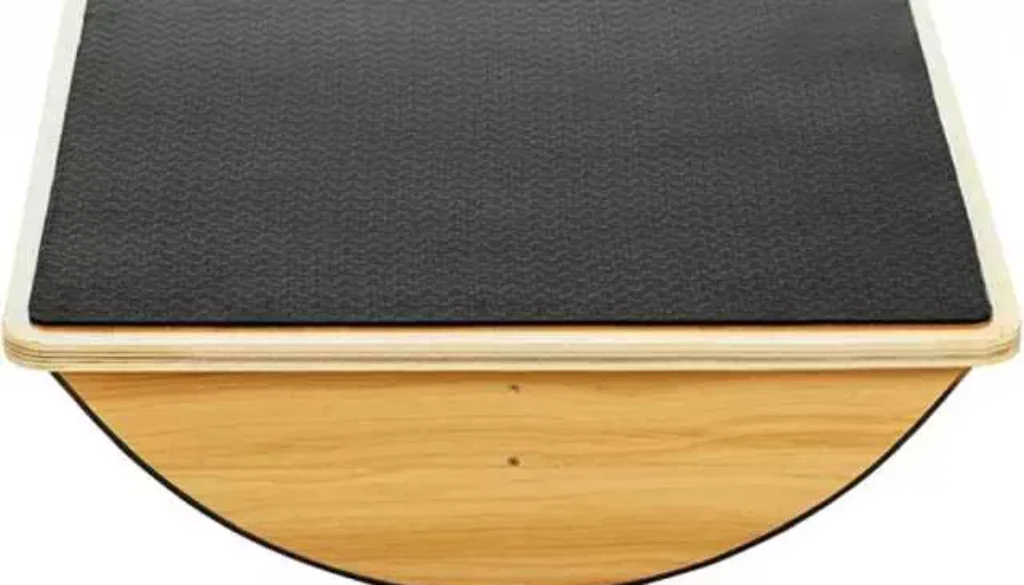
Balance Boards for Seniors
Complete Guide to Balance Boards for Seniors: Safety, Benefits, and Best Products 2025
EMERGENCY SAFETY INFORMATION
Written & Reviewed by


STOP – Read This First Before Using Any Balance Board:
- Call 911 immediately if you fall and cannot get up, hit your head, or experience severe pain
- Stop exercising immediately if you feel dizzy, lightheaded, chest pain, or short of breath
- Have someone nearby when first starting balance board exercises
- Keep a sturdy chair or wall within arm’s reach at all times during use
- Don’t use a balance board if you’ve fallen in the past 6 months without clearance from your doctor
- Medical conditions requiring doctor approval first: recent surgery, vertigo, uncontrolled diabetes, severe arthritis, heart conditions, taking blood pressure medications, or using mobility aids
KEY TAKEAWAYS
Bottom Line Up Front: Balance boards can help improve stability and reduce fall risk for many seniors, but they’re not right for everyone. One in four seniors fall yearly, making falls a major health concern, but research shows balance board training 3 times per week for 10 minutes can significantly improve balance scores.
Quick Facts:
- Safety first: Always start with basic exercises and progress slowly
- Cost range: $30-$400 depending on features and quality
- Time commitment: 10-15 minutes, 3-5 times per week shows best results
- Best starting point: Simple rocker boards with handles or safety rails
- Medical clearance: Essential if you have balance issues or chronic conditions
What Are Balance Boards and How Do They Help Seniors?
A balance board is a simple piece of equipment designed to challenge your stability by creating controlled movement beneath your feet. Think of it as a safe way to practice balancing on slightly uneven ground – something many of us avoid in daily life but our bodies need to stay sharp.
The Science Behind Balance Training
Due to safe environments with level sidewalks and handrails, we get less practice in balancing in daily life, which means our balance skills naturally decline with age. Balance boards work by challenging what doctors call your “proprioception” – your body’s ability to know where it is in space.
A systematic review of wobble board studies found improvements of 4.4% in balance scores and 6.3% in timed-up-and-go tests for older adults who used balance boards regularly.
Real Benefits for Real People
Improved Stability: Balance boards train the small muscles in your feet, ankles, and core that keep you steady during daily activities like getting up from a chair or walking on uneven surfaces.
Better Reaction Time: Regular practice helps your body respond faster when you start to lose your balance, potentially preventing falls.
Stronger Core: The constant micro-adjustments needed to stay balanced strengthen your midsection without traditional sit-ups or crunches.
Increased Confidence: Many seniors report feeling more secure when walking after consistent balance training.
The Reality Check: What Balance Boards Can and Cannot Do
What They CAN Do:
- Improve balance and stability over time with consistent use
- Strengthen core and leg muscles
- Help with recovery from some injuries (with medical supervision)
- Provide low-impact exercise at home
- Build confidence in movement
What They CANNOT Do:
- Instantly fix balance problems
- Replace medical treatment for serious conditions
- Prevent all falls
- Work without regular, consistent practice
- Help everyone – some people shouldn’t use them at all
The Hard Truth: Balance boards can raise your risk of falls, especially if you have balance issues, dizziness or vertigo. They’re tools that require commitment and careful progression.
Fall Prevention Statistics Every Senior Should Know
Globally, an estimated 684,000 fatal falls occur each year, making it the second leading cause of unintentional injury death. In the United States specifically:
- More than 25% of adults 65 or older fall each year
- 3 million are treated in emergency departments for fall injuries annually
- Among adults aged 85 and older, 21.6% experience falls, with 7.1% resulting in injuries
However, balance training programs have shown improvements between 16% and 42% compared to baseline assessments, suggesting that targeted exercise can make a meaningful difference.
Types of Balance Boards: Which One is Right for You?
1. Rocker Boards (Best for Beginners)
These tilt in only one direction – side to side or front to back. Mayo Clinic recommends a simple rocker board with one small support for those new to the activity.
Who should use: Complete beginners, those with mobility concerns, people recovering from injuries
2. Wobble Boards (Intermediate)
These allow movement in all directions around a central point. More challenging but still manageable for most seniors.
Who should use: People comfortable with rocker boards, those wanting more challenge
3. Roller Boards (Advanced)
The board sits on a cylinder that can roll, creating the most unstable surface.
Who should use: Very active seniors with good balance, those with sports backgrounds
4. Sphere Boards (Expert Level)
The most challenging type – not recommended for most seniors due to fall risk.
Who should avoid: Nearly all seniors due to high injury risk
Safety Guidelines: How to Use Balance Boards Without Getting Hurt
Before You Start:
- Get medical clearance if you have any health conditions
- Start in a corner or near a wall for support
- Have someone present for your first few sessions
- Wear supportive shoes (not socks or bare feet initially)
- Ensure good lighting in your exercise area
Progressive Training Approach:
Week 1-2: Stand on board holding wall/chair, just getting comfortable Week 3-4: Brief periods without support (5-10 seconds) Week 5-6: Longer periods, simple movements Week 7+: More complex exercises as comfortable
Mayo Clinic recommends slowly adding balance exercises into your routine, practicing for only a minute or two a couple times per day initially.
8 Best Balance Boards for Seniors in 2025
1. 60uP Balance Training System – Best Overall for Seniors
Price: $399-$250 (varies by retailer) Weight Capacity: 300 lbs (yellow poles), base rated to 1,000+ lbs Special Features: Dual stability poles, resistance bands, comprehensive DVD program
The 60uP was specifically designed for seniors and includes safety features like stability poles for secure grip and added stability when starting out. Physical therapist Jeff Petersen noted the beginner routine starts at a fairly low level of intensity, making it good for those who have fallen before or have balance deficits.
Pros:
- Purpose-built for seniors
- Safety poles reduce fall risk
- Comprehensive training program included
- 60-day money-back guarantee
Cons:
- Most expensive option
- Takes up more storage space
- Cost may be prohibitive for some people
Best For: Seniors new to balance training, those with previous falls, people wanting structured guidance
2. StrongTek Professional Wooden Balance Board – Best Value
Price: $50-$70 Weight Capacity: 350 lbs Dimensions: 17.5″ x 13.5″ x 3″ Material: Lauan hardwood plywood
Made of high-quality Lauan plywood, this rocker board is designed to stimulate your core and improve agility, reaction time, and stamina. The simple design makes it less intimidating for beginners.
Pros:
- Excellent build quality for the price
- Simple, safe design
- Easy-grip surface gentle on bare feet
- Compact and portable
Cons:
- Basic features only
- No safety handles
- Learning curve for beginners
Best For: Budget-conscious buyers, those wanting simple equipment, people with some balance confidence
3. Yes4All Wooden Wobble Balance Board – Best Intermediate Option
Price: $30-$50 Weight Capacity: 300 lbs Diameter: 15.75 inches Features: 360-degree movement, textured surface
Pros:
- Affordable price point
- Durable construction
- Good progression from rocker boards
- Anti-slip surface
Cons:
- No safety features
- More challenging than rocker boards
- Limited instructions
Best For: Seniors progressing from rocker boards, those wanting 360-degree training, budget shoppers
4. BOSU Pro Balance Trainer – Most Versatile
Price: $150-$200 Weight Capacity: 300 lbs Diameter: 26 inches Features: Inflatable dome, can be used both sides
Professional-grade equipment used in physical therapy clinics. The inflatable design provides controlled instability that’s adjustable.
Pros:
- Two-in-one design (dome and platform)
- Professional quality
- Widely used in rehab settings
- Multiple exercise options
Cons:
- Higher price point
- Requires inflation maintenance
- Large storage footprint
Best For: Seniors with rehab experience, those wanting variety, people with space for larger equipment
5. Revolution Balance Board 101 V2 – Best for Progression
Price: $120-$150 Weight Capacity: 400 lbs Features: Adjustable stoppers, multiple difficulty levels
Pros:
- Grows with your abilities
- High weight capacity
- USA-made quality
- Safety stoppers included
Cons:
- Learning curve
- Higher price
- More complex setup
Best For: Active seniors, those wanting long-term progression, people with board sports interest
6. REP Fitness Balance Ball Trainer – Best Budget Option
Price: $60 Weight Capacity: 300 lbs Features: Resistance band attachment points
Less than half the cost of the popular Bosu Ball with attachment points for resistance bands, which can assist with stability for beginners.
Pros:
- Very affordable
- Resistance band compatible
- Good for beginners
- Compact design
Cons:
- Slightly smaller than other balance trainers
- Basic features
- Limited accessories
Best For: Budget-conscious beginners, those wanting resistance band compatibility
7. Whirly Board Standing Desk Balance Board – Best for Active Use
Price: $100-$130 Features: Skateboard-style deck, 360-degree movement Unique Feature: Can be used while working at standing desk
Pros:
- Multi-purpose use
- Smooth movement
- Quality construction
- Professional appearance
Cons:
- Steeper learning curve
- No safety features
- Better for active users
Best For: Active seniors, those with standing desks, people wanting workplace wellness
8. FEZIBO Anti-Fatigue Balance Board – Best for Standing Comfort
Price: $40-$60 Weight Capacity: 320 lbs Features: Massage points, very low profile
Pros:
- Gentle introduction to balance training
- Can use with shoes
- Massage benefits
- Affordable
Cons:
- Limited challenge progression
- Basic construction
- Not true balance training
Best For: Those wanting gentle introduction, people with foot discomfort, standing desk users
Comparison Table: Balance Boards at a Glance
| Product | Price Range | Weight Limit | Safety Features | Best For | Difficulty Level |
|---|---|---|---|---|---|
| 60uP System | $250-$399 | 300 lbs | Stability poles, structured program | First-time users, safety-conscious | Beginner |
| StrongTek | $50-$70 | 350 lbs | Non-slip surface | Budget buyers, simple needs | Beginner |
| Yes4All Wobble | $30-$50 | 300 lbs | Textured surface | Intermediate users | Intermediate |
| BOSU Pro | $150-$200 | 300 lbs | Professional grade | Versatility seekers | All levels |
| Revolution 101 V2 | $120-$150 | 400 lbs | Adjustable stoppers | Progression-minded | Beginner to Advanced |
| REP Fitness | $60 | 300 lbs | Band attachments | Budget beginners | Beginner |
| Whirly Board | $100-$130 | 250 lbs | Quality construction | Active users | Intermediate |
| FEZIBO | $40-$60 | 320 lbs | Low profile, massage | Gentle introduction | Very Basic |
Exercise Progression: From Beginner to Confident
Week 1-2: Getting Started
- Stand on board holding wall/chair for 30-60 seconds
- Focus on staying centered, not moving
- Practice stepping on and off safely
- Goal: Comfort with the equipment
Week 3-4: Building Confidence
- Brief periods without support (5-10 seconds)
- Gentle rocking side to side
- Practice with eyes closed (holding support)
- Goal: Independent standing
Week 5-8: Adding Movement
- Longer independent sessions (30+ seconds)
- Simple arm movements while balancing
- Shifting weight forward/backward
- Goal: Dynamic balance
Week 9+: Advanced Exercises
- Single leg stands on board
- Catch and throw activities
- Resistance band exercises
- Goal: Functional balance improvement
Warning Signs to Stop Immediately
Stop using your balance board and consult a healthcare provider if you experience:
- Dizziness or lightheadedness
- Joint pain that worsens
- Increased fall frequency
- Loss of confidence in walking
- Any injury from board use
- Worsening of existing medical conditions
Frequently Asked Questions
Q: How often should I use a balance board?
A: Research shows 3 times per week for 10 minutes can significantly improve balance. Start with 2-3 minutes daily and gradually increase. Always consult your healthcare provider about the right frequency for your situation.
Q: I’m 75 and have never exercised – can I still use a balance board?
A: Possibly, but you absolutely must get medical clearance first. Older adults should be encouraged to engage with a physical therapist to identify balance deficits and develop the best exercise plan. Start with the most basic rocker board and professional guidance. Always consult your healthcare provider before starting any new exercise program.
Q: Will a balance board prevent me from falling?
A: Balance boards can improve stability, but fall risk is usually related to a combination of factors including balance/walking problems, multiple medications, home hazards, and positional low blood pressure. They’re one tool in fall prevention, not a complete solution. Consult your healthcare provider about comprehensive fall prevention strategies.
Q: What’s the difference between a $50 board and a $400 board?
A: Higher-priced boards typically offer safety features (like stability poles), comprehensive programs, better materials, and customer support. For seniors, safety features often justify the higher cost. However, a simple board can be effective with proper precautions. Discuss with your healthcare provider which features are most important for your situation.
Q: I have arthritis – can I still use a balance board?
A: This depends on the severity and location of your arthritis. Always consult your healthcare team about any new exercise routines. Some people with mild arthritis benefit from balance training, while others may need modifications or alternative exercises. Your doctor or physical therapist can provide personalized guidance.
Q: How long before I see results?
A: Studies show significant improvement after 5 weeks of training 3 times per week, but individual results vary greatly. Some people notice improved confidence within days, while strength gains may take weeks or months. Consistency is key, and results depend on your starting point and overall health. Always discuss your progress with your healthcare provider.
Professional Resources and Support
Finding Qualified Help:
- Physical Therapists: American Physical Therapy Association Locator
- Occupational Therapists: Can assess home safety and functional needs
- Certified Trainers: Look for those with senior fitness specialization
Reputable Organizations:
- National Institute on Aging: Balance Exercise Resources
- CDC Fall Prevention: STEADI Initiative
- Mayo Clinic: Fall Prevention Guidelines
Final Thoughts: Is a Balance Board Right for You?
Balance boards can be valuable tools for improving stability and confidence, but they’re not appropriate for everyone. The decision should be made with your healthcare provider, considering your current health, fall history, medications, and personal goals.
Remember: The best balance board is the one you’ll actually use safely and consistently. Whether that’s a simple $50 rocker board or a comprehensive $400 system depends on your needs, budget, and commitment level.
Most importantly: Never let a balance board replace professional medical care, physical therapy, or comprehensive fall prevention strategies. They’re tools to support your health journey, not miracle cures.
Resources and Additional Reading
Government and Medical Sources:
- National Institute on Aging – Exercise and Physical Activity
- CDC – Important Facts about Falls
- Mayo Clinic – Fall Prevention
- Johns Hopkins – Fall Prevention Exercises
Research Citations:
- Effects of balance training using wobble boards in the elderly – PubMed
- Physical activity programs for balance and fall prevention in elderly: A systematic review – PMC
- The effects of a multi-axis balance board intervention program in an elderly population – PMC
Disclaimer
This article is for informational purposes only and does not constitute medical advice. Balance board exercises involve risk of falls and injury. Before starting any new exercise program, especially if you have existing health conditions, balance problems, or take medications, consult with your healthcare provider or a qualified physical therapist.
Individual results may vary significantly. Product specifications, prices, and availability can change without notice. Always verify current information with manufacturers and retailers before purchasing. The author and website are not responsible for injuries, accidents, or adverse outcomes resulting from the use of balance boards or following advice in this article.
If you experience dizziness, pain, or any concerning symptoms while exercising, stop immediately and consult a healthcare professional. This information was accurate as of August 2025 but recommendations and research may evolve over time.
About the Authors