
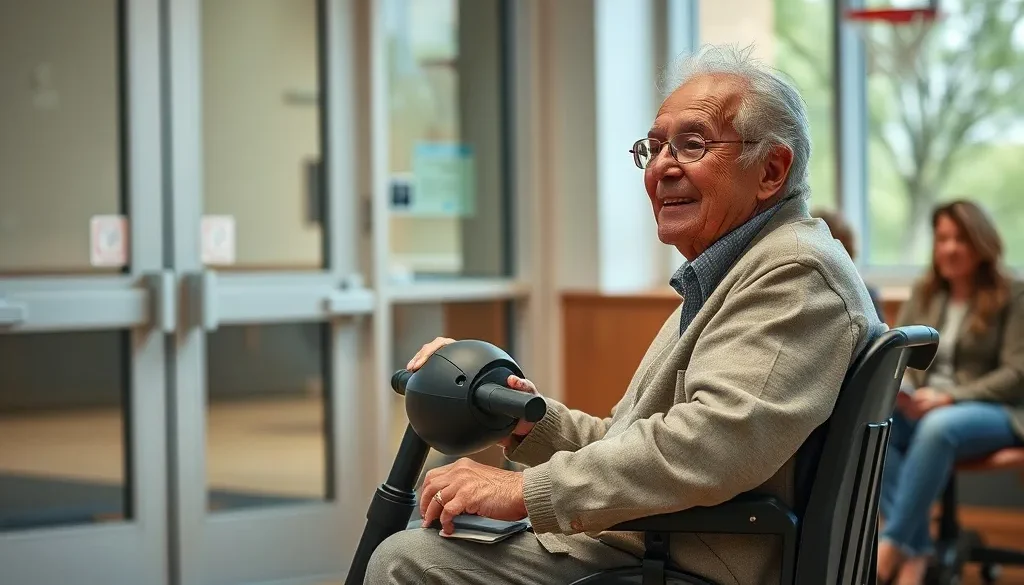
Benefits and Resources for Disabled Seniors in Indiana
Written & Reviewed by


Last updated: August 2025
—
Quick help box (keep this handy)
| Need right now | Who to contact | How to reach them |
|---|---|---|
| Life-threatening emergency | Call 911 | Dial 911 |
| Mental health crisis or suicidal thoughts | 988 Suicide & Crisis Lifeline | Call or text 988; visit the 988 Lifeline website |
| Not sure where to start, need local help | Indiana 211 | Dial 211 or visit the Indiana 211 website |
| Abuse, neglect, or exploitation of an older or disabled adult | Adult Protective Services (Indiana FSSA) | Report at Indiana Adult Protective Services |
| Medicaid member help (benefits, doctors, rides) | Indiana Medicaid | Start at Indiana Medicaid for Members |
| Medicare questions and plan comparisons | Indiana SHIP (free counseling) | Contact Indiana SHIP |
| Food help today | Area Agency on Aging via INconnect | Find your local AAA with INconnect |
| Utility shutoff or heating/cooling help | Energy Assistance Program (LIHEAP) at IHCDA | See the Energy Assistance Program at IHCDA |
| Housing search and rental help info | HUD Indiana and IHCDA | HUD Indiana resources and IHCDA |
Reality check: Same-day help is possible in true emergencies (911, 988, APS). For benefits, most programs ask for ID, proof of Indiana address, and proof of income/resources. Keep copies of your driver’s license or ID, Medicare/Medicaid cards, Social Security letter, lease or mortgage, utility bills, and bank statements. If paperwork is hard, ask your Area Agency on Aging (AAA) or SHIP counselor to help you gather and submit it.
How to use this guide
- If you need help today, start with the Quick help box above.
- If you want in-home care, rides, or help staying independent, see Medicaid Long-Term Services and Supports and the Area Agencies on Aging sections.
- For Medicare plan choices and drug cost help, see Medicare + prescription help.
- For money-saving help (food, utilities, taxes), see SNAP + nutrition, Energy & utilities, and Property tax relief.
- At the end, see FAQs, Resources by region, and the “About this guide” section.
Emergency, safety, and urgent help in Indiana
- Call 911 for medical or police emergencies.
- Mental health crisis or suicidal thoughts: Call or text 988 or visit the 988 Suicide & Crisis Lifeline for 24/7 support.
- Abuse, neglect, or exploitation: Report to Indiana Adult Protective Services (FSSA Division of Aging). APS investigates reports statewide and coordinates with local prosecutors. See Indiana Adult Protective Services to report or learn more: https://www.in.gov/fssa/da/adult-protective-services/
- Not sure what program you need? Dial 211 or visit Indiana 211 to reach trained navigators who can connect you to food, shelter, health, and financial resources: https://www.in.gov/fssa/indiana-211/
- Utility shutoff: If you received a disconnect notice, contact your utility immediately to ask about payment plans and assistance. Learn about Indiana consumer protections and complaint help from the Indiana Utility Regulatory Commission (IURC): https://www.in.gov/iurc/ and energy assistance below.
Tip: If you cannot safely call (hearing, speech, mobility), you can usually report online or by relay. For relay, dial 711.
Medicaid long-term care and in-home support in Indiana
Indiana’s Medicaid programs are administered by the Family and Social Services Administration (FSSA). Start here for member information: Indiana Medicaid for Members: https://www.in.gov/medicaid/members/
Indiana PathWays for Aging (Managed Long-Term Services and Supports)
- What it is: A managed long-term services and supports (MLTSS) program for older Hoosiers that coordinates medical, home care, personal care, caregiver support, home modifications, nursing facility care, and more through health plans.
- Who it helps: Older adults on Medicaid who need help with daily activities or long-term services. It’s designed to let people get care at home or in the community when safe and appropriate.
- What it provides: Care coordination, personal care, homemaker services, adult day, respite for caregivers, home-delivered meals, home modifications, durable medical equipment, transportation to medical care, and nursing facility care when needed.
Learn more at FSSA’s Medicaid LTSS pages: Long-Term Services and Supports (MLTSS) at FSSA: https://www.in.gov/fssa/ompp/long-term-services-and-supports/
Reality check: Managed care plans can differ in provider networks and extras. Before choosing, ask the plan’s care coordinator about your preferred doctors, home care agencies, and equipment vendors. Use a SHIP counselor if you have both Medicare and Medicaid to avoid overlap or gaps.
Home- and Community-Based Services (HCBS)
- Aged & Disabled (A&D) services and other HCBS: Indiana offers Medicaid-funded services to help you live at home instead of in a nursing facility—things like personal care, attendant care, home-delivered meals, adult day, and environmental modifications.
- CHOICE (state-funded): The Community and Home Options to Institutional Care for the Elderly and Disabled program can help people who are not yet eligible for Medicaid or are waiting, with in-home support coordinated by your local Area Agency on Aging.
Start with your local AAA through the INconnect Alliance to be screened and to apply for HCBS or CHOICE: INconnect (find your AAA): https://www.in.gov/fssa/da/inconnect-alliance/
Learn about Division of Aging programs: Indiana FSSA Division of Aging: https://www.in.gov/fssa/da/
Tip: If you already receive Medicaid and need in-home help, tell your doctor and contact your AAA. Bring your list of needs (bathing, meals, housekeeping, rides) and a medication list. A case manager will assess what you qualify for.
Nursing facility care
- Medicaid can pay for nursing home care if you meet medical need and financial rules. See Indiana Medicaid for Members for nursing facility information: https://www.in.gov/medicaid/members/
- You can review facility quality on Medicare’s Care Compare: https://www.medicare.gov/care-compare
- Concerns about care? Contact the Indiana Long-Term Care Ombudsman Program: https://www.in.gov/fssa/da/long-term-care-ombudsman-program/
Warning: Financial eligibility for nursing home Medicaid has asset and income rules and a 5-year lookback for asset transfers. Speak with your AAA, an elder law attorney, or a SHIP counselor for guidance.
Medicare, drug costs, and insurance counseling
Free, unbiased counseling: Indiana SHIP
- The State Health Insurance Assistance Program (SHIP) offers one-on-one help choosing Medicare Advantage or Medigap, Part D drug plans, and applying for Extra Help and Medicare Savings Programs.
- Contact: Indiana SHIP: https://www.in.gov/idoi/ship/
Tip: Bring your Medicare card, list of medications and dosages, preferred pharmacy, and any plan notices. Ask about penalties, formularies, step therapy, and prior authorization.
Extra Help (Low-Income Subsidy) for Part D
- Helps pay premiums, deductibles, and copays for Medicare prescription drug plans.
- Apply through Social Security: Extra Help with Medicare Prescription Drug Plan Costs: https://www.ssa.gov/benefits/medicare/prescriptionhelp/
- Your SHIP counselor or AAA can help you apply.
Medicare Savings Programs (MSPs)
- MSPs can pay your Medicare Part B premium and sometimes other costs if your income/resources are limited. They’re administered by Medicaid.
- Learn what MSPs cover at Medicaid.gov: Medicare Savings Programs overview: https://www.medicaid.gov/medicare-savings-programs/
Apply for Medicaid/MSPs through the FSSA benefits portal: https://fssabenefits.in.gov/
Indiana HoosierRx (premium help)
- Indiana’s HoosierRx program has helped certain low-income seniors with monthly Medicare Part D premiums.
- Check program details and current status at FSSA: Start at FSSA Programs and search for HoosierRx: https://www.in.gov/fssa/
Reality check: Drug plan and pharmacy networks can change each year. Re-shop your Part D or Medicare Advantage plan during fall Open Enrollment (Oct 15–Dec 7). Use SHIP for a plan check-up.
Social Security, SSI/SSDI, and payee help
- Social Security retirement and survivors: https://www.ssa.gov/
- Supplemental Security Income (SSI) for low-income older adults and disabled people: https://www.ssa.gov/ssi/
- Social Security Disability Insurance (SSDI): https://www.ssa.gov/benefits/disability/
- If you need help managing benefits, ask Social Security about a representative payee: https://www.ssa.gov/payee/
Tip: If you get both Medicare and Medicaid (“dual eligible”), tell every provider. You may pay little or nothing for covered services when bills are coordinated correctly.
Food and nutrition
- SNAP (food stamps): Apply or manage benefits via the FSSA DFR portal: https://fssabenefits.in.gov/
- Senior nutrition through the Older Americans Act: Your local AAA can connect you to home-delivered meals and community dining sites. Find your AAA at INconnect: https://www.in.gov/fssa/da/inconnect-alliance/
- Senior Farmers’ Market Nutrition Program (SFMNP): Vouchers for fresh produce at participating farmers’ markets for eligible seniors. See USDA’s SFMNP overview and ask your AAA about local sign-up: https://www.fns.usda.gov/sfmnp/senior-farmers-market-nutrition-program
Reality check: SNAP and SFMNP have enrollment periods and documentation requirements. If you can’t travel, ask your AAA about proxy pick-ups or doorstep meal delivery.
Energy and utilities
- Energy Assistance Program (EAP/LIHEAP): Helps with winter heating and sometimes summer cooling bills. Administered by the Indiana Housing & Community Development Authority (IHCDA). Learn more and find your local provider: IHCDA Energy Assistance Program: https://www.in.gov/ihcda/
- Weatherization Assistance: Lowers energy costs through home repairs like insulation and air sealing. Also through IHCDA: https://www.in.gov/ihcda/
- Consumer protections and complaints: Indiana Utility Regulatory Commission (IURC) Consumer Affairs: https://www.in.gov/iurc/
Tip: Apply early each season. Bring your utility account numbers, recent bills, proof of income, and ID. If shutoff is imminent, call your utility and your EAP provider the same day.
Housing, accessibility, and home repair
- Subsidized housing and vouchers: Contact local public housing authorities or check HUD’s Indiana resources to find programs like Housing Choice Vouchers (Section 8) and Section 202 senior housing: HUD Indiana: https://www.hud.gov/states/indiana
- Home accessibility and modifications: Ask your AAA about HCBS-funded home mods (ramps, grab bars). Medicaid may cover certain medically necessary modifications and durable medical equipment; see Indiana Medicaid for Members: https://www.in.gov/medicaid/members/
- Weatherization Assistance: See IHCDA above.
- USDA Rural Development home repair (Section 504): Low-interest loans and grants for very low-income homeowners in rural areas for repairs and accessibility. See USDA Single Family Housing Repair Loans & Grants: https://www.rd.usda.gov/programs-services/single-family-housing-programs/single-family-housing-repair-loans-grants
Reality check: Waitlists are common for housing vouchers and senior buildings. Apply to multiple sites, keep a list of application numbers, and update your contact info with each property.
Transportation
- Non-emergency medical transportation (NEMT): If you have Medicaid, you can get rides to covered medical appointments. Start at Indiana Medicaid for Members and your health plan member services: https://www.in.gov/medicaid/members/
- Public transit and ADA paratransit: Indiana DOT lists public transit providers; many offer discounted senior/ADA fares and door-to-door services: INDOT Public Transit: https://www.in.gov/indot/
- Veterans: The VA may provide transportation help for eligible veterans to VA appointments; start with the VA facility social work office or VA Beneficiary Travel: https://www.va.gov/health-care/get-reimbursed-for-travel-pay/
Tip: Book rides as soon as you get your appointment, and confirm the day before. Ask about mileage reimbursement if you drive yourself to eligible medical visits.
Property tax relief in Indiana
Indiana offers deductions and credits that can lower property taxes for older adults and disabled veterans. Contact your county auditor for forms and deadlines. Learn more at the Indiana Department of Local Government Finance (DLGF): https://www.in.gov/dlgf/
Common options include:
- Over 65 Deduction and Over 65 Circuit Breaker Credit
- Homestead Deduction (for your primary residence)
- Disabled Veteran property tax deductions (amount depends on disability rating and other factors)
Always verify current rules and file by local deadlines with your county auditor. See DLGF deductions overview: https://www.in.gov/dlgf/
Assistive technology, hearing/vision, and durable medical equipment
- Indiana’s Assistive Technology Act Program (INDATA) provides device demonstrations, short-term loans, reutilization, and training: INDATA Project (Easterseals Crossroads): https://www.eastersealstech.com/
- Medicaid coverage: Indiana Medicaid may cover medically necessary durable medical equipment (DME), hearing aids, and supplies. Start with your doctor and see Indiana Medicaid for Members: https://www.in.gov/medicaid/members/
- Veterans: Prosthetics and Sensory Aids Service through VA for eligible veterans: https://www.prosthetics.va.gov/
Tip: Try before you buy. Use INDATA’s demo and loan programs to see if a device works for you at home before requesting or purchasing it.
Legal help, consumer protection, and advocacy
- Indiana Legal Services (civil legal help for low-income Hoosiers; senior-focused help available): https://www.indianalegalservices.org/
- Long-Term Care Ombudsman Program (problems with nursing homes or licensed assisted living): https://www.in.gov/fssa/da/long-term-care-ombudsman-program/
- Senior Medicare Patrol (SMP) fights Medicare fraud and helps you report scams: https://www.indianasmp.org/
- Identity theft and consumer issues: Indiana Attorney General Consumer Protection Division: https://www.in.gov/attorneygeneral/
Tip: Keep a “medical and billing” folder. Save plan letters, EOBs, bills, and notes from calls (date, name, summary). This makes appeals and complaints much easier.
Vocational rehabilitation and employment
If you want to work (full- or part-time), Indiana Vocational Rehabilitation can help with job counseling, training, assistive technology, and workplace accommodations.
- Indiana Vocational Rehabilitation Services: https://www.in.gov/fssa/ddrs/rehabilitation-services/vocational-rehabilitation/
Ask your VR counselor about how working might affect your SSI/SSDI and how to use work incentives safely.
Identification, driving, and accessibility
- Disability parking placards and plates: Indiana Bureau of Motor Vehicles (BMV): https://www.in.gov/bmv/
- Accessible voting: Indiana Election Division explains accessible polling places, absentee-by-traveling-board, and assistance options: https://www.in.gov/sos/elections/
- Hunting/fishing licenses and disability accommodations: Indiana Department of Natural Resources: https://www.in.gov/dnr/
Inclusive resources
LGBTQ+ seniors in Indiana
- Services and support are available through your local AAA and statewide programs regardless of sexual orientation or gender identity. If you face discrimination, report concerns to the Long-Term Care Ombudsman (care settings) or Indiana Civil Rights Commission: https://www.in.gov/icrc/
- National SAGE Hotline (friendly help and resources): https://www.sageusa.org/ (Note: national non-profit resource)
Tip: Tell your case manager and providers your preferred name and pronouns. It’s your right to receive respectful care.
Veteran seniors
- Indiana Department of Veterans Affairs (IDVA): benefits counseling, property tax deductions, and local Veteran Service Officers: https://www.in.gov/dva/
- VA Aid & Attendance and Housebound benefits can increase your VA pension if you need daily help: https://www.va.gov/pension/aid-attendance-housebound/
Bring your DD-214 discharge papers to appointments. Ask your county VSO to help you file.
Tribal members living in Indiana
Indiana has no federally recognized tribes headquartered in-state, but Native elders living in Indiana may be eligible for health and social services through their tribe, the Indian Health Service (IHS), or Urban Indian Organizations in nearby states.
- Indian Health Service (find services and eligibility): https://www.ihs.gov/
- If you receive Purchased/Referred Care (PRC) through your tribe, call before getting non-IHS care to avoid unexpected bills.
Rural seniors and families with limited access
- Transportation: Use Medicaid NEMT (if eligible), your local transit/ADA paratransit, and volunteer driver programs via your AAA.
- Internet/phone savings: Lifeline offers a monthly discount on phone or broadband for eligible low-income households: https://www.lifelinesupport.org/
- Telehealth: Ask your Medicaid plan or provider about video or phone visits. Libraries and senior centers may offer private rooms or devices for telehealth.
Tip: If roads or weather make travel hard, ask for home-based assessments and services or phone appointments whenever possible.
Program snapshot tables
Table 1: Where to apply for common benefits
| Benefit | What it covers | Where to apply |
|---|---|---|
| Medicaid (including long-term care) | Doctor/hospital care, home- and community-based services, nursing facility care for those who qualify | Apply at the FSSA Benefits Portal: https://fssabenefits.in.gov/ |
| Medicare counseling (SHIP) | Free help choosing Medicare Advantage/Medigap and Part D | Indiana SHIP: https://www.in.gov/idoi/ship/ |
| Extra Help (Part D) | Lowers drug plan costs | Social Security Extra Help: https://www.ssa.gov/benefits/medicare/prescriptionhelp/ |
| Medicare Savings Programs | Help with Part B premium and other Medicare costs | Apply through FSSA at https://fssabenefits.in.gov/ (learn MSP basics at Medicaid.gov: https://www.medicaid.gov/medicare-savings-programs/) |
| SNAP (food stamps) | Monthly food benefit on EBT card | Apply at the FSSA Benefits Portal: https://fssabenefits.in.gov/ |
| Energy Assistance (LIHEAP) | Help with heating/cooling bills | IHCDA Energy Assistance Program: https://www.in.gov/ihcda/ |
| Weatherization | Home energy upgrades | IHCDA Weatherization Assistance: https://www.in.gov/ihcda/ |
| Property tax deductions/credits | Lowers property tax for seniors/disabled veterans | Indiana DLGF overview: https://www.in.gov/dlgf/ |
Table 2: In-home care and caregiver support
| Program | What it does | Who to contact |
|---|---|---|
| PathWays for Aging (MLTSS) | Coordinates medical and long-term care, including home supports | See LTSS info at FSSA OMPP: https://www.in.gov/fssa/ompp/long-term-services-and-supports/ |
| HCBS through Division of Aging | Personal care, homemaker, adult day, respite, home mods | Start with INconnect to reach your AAA: https://www.in.gov/fssa/da/inconnect-alliance/ |
| CHOICE (state-funded) | In-home help for those not yet eligible for Medicaid | INconnect (find AAA): https://www.in.gov/fssa/da/inconnect-alliance/ |
| Family Caregiver Support | Short-term respite, training, counseling | Ask your local AAA via INconnect: https://www.in.gov/fssa/da/inconnect-alliance/ |
Table 3: Safety, rights, and complaints
| Issue | Who helps | How to reach them |
|---|---|---|
| Abuse/neglect/exploitation | Adult Protective Services (FSSA) | Indiana APS: https://www.in.gov/fssa/da/adult-protective-services/ |
| Nursing home/assisted living problems | Long-Term Care Ombudsman | Ombudsman Program: https://www.in.gov/fssa/da/long-term-care-ombudsman-program/ |
| Medicare fraud/scams | Senior Medicare Patrol (SMP) | Indiana SMP: https://www.indianasmp.org/ |
| Utility problems | IURC Consumer Affairs | https://www.in.gov/iurc/ |
| Consumer scams | Attorney General Consumer Protection | https://www.in.gov/attorneygeneral/ |
Table 4: Transportation options
| Need | Option | Where to start |
|---|---|---|
| Rides to medical appointments (Medicaid) | NEMT via your Medicaid plan | Indiana Medicaid for Members: https://www.in.gov/medicaid/members/ |
| Public transit/ADA paratransit | City/county transit with reduced fares | INDOT Public Transit: https://www.in.gov/indot/ |
| VA medical trips | VA Beneficiary Travel and local options | https://www.va.gov/health-care/get-reimbursed-for-travel-pay/ |
How to apply: practical steps
- Gather documents
- Government ID, Social Security card number, Medicare/Medicaid cards
- Proof of Indiana address (utility bill, lease)
- Proof of income (award letters, pay stubs) and bank statements
- List of medications and doctors
- Apply online where possible
- Medicaid, SNAP: FSSA Benefits Portal: https://fssabenefits.in.gov/
- Ask your AAA for help with HCBS, CHOICE, and caregiver programs: https://www.in.gov/fssa/da/inconnect-alliance/
- Use SHIP for Medicare choices: https://www.in.gov/idoi/ship/
- Track and follow up
- Write down confirmation numbers and the name of the person you spoke with
- If you receive a denial, review the reason, gather missing documents, and appeal by the deadline listed in the notice
- Re-check annually
- Benefits often require yearly renewals. Keep an eye on mail and texts from agencies. Call if you change address or phone number.
Reality check: Processing can take weeks. If you’re waiting and in crisis (food, utilities), call 211 and your AAA for stopgap help.
Frequently Asked Questions (FAQs)
Q: I’m over 60 and need help at home. Where do I start?
A: Call your local Area Agency on Aging through INconnect: https://www.in.gov/fssa/da/inconnect-alliance/. They will screen you for Medicaid long-term services, HCBS, CHOICE, meal programs, caregiver support, and more.
Q: How do I get rides to my doctor?
A: If you have Medicaid, you can get non-emergency medical transportation. Start at Indiana Medicaid for Members: https://www.in.gov/medicaid/members/ and call your plan. If you don’t have Medicaid, check your city/county transit (INDOT Public Transit: https://www.in.gov/indot/) and ask your AAA about volunteer driver programs.
Q: Can Medicaid help pay for a nursing home in Indiana?
A: Yes, if you meet medical need and financial rules. Start at Indiana Medicaid for Members: https://www.in.gov/medicaid/members/. For questions, contact your AAA and consider speaking with a SHIP counselor or elder law attorney.
Q: My Medicare drug costs are too high. Any help?
A: Apply for Extra Help through Social Security: https://www.ssa.gov/benefits/medicare/prescriptionhelp/. Ask SHIP to check your Part D plan options each year: https://www.in.gov/idoi/ship/.
Q: I can’t afford my winter heating bill. What do I do?
A: Apply for Energy Assistance (LIHEAP) through IHCDA: https://www.in.gov/ihcda/. Apply early and call your utility right away to ask about payment plans while your application is processed.
Q: Do Indiana seniors get a break on property taxes?
A: Many do. Indiana offers Over 65 deductions/credits, homestead deductions, and disabled veteran deductions if you qualify. See the DLGF deductions overview and contact your county auditor: https://www.in.gov/dlgf/.
Q: I’m caring for my spouse with dementia. Can I get respite help?
A: Yes. Ask your AAA about Family Caregiver Support and HCBS respite options. Start at INconnect: https://www.in.gov/fssa/da/inconnect-alliance/.
Q: Who do I call about poor care in a nursing home?
A: Contact the Indiana Long-Term Care Ombudsman: https://www.in.gov/fssa/da/long-term-care-ombudsman-program/. You can also use Medicare’s Care Compare to review facility quality: https://www.medicare.gov/care-compare.
Q: I think someone is stealing from my disabled parent. What should I do?
A: Report to Adult Protective Services: https://www.in.gov/fssa/da/adult-protective-services/. In danger? Call 911. For Medicare fraud or billing scams, contact Indiana SMP: https://www.indianasmp.org/.
Q: I live in a rural county. Can I still get services?
A: Yes. Your AAA serves all counties. Use Medicaid NEMT (if eligible), local transit, and ask about phone/video appointments. See Lifeline for phone/internet discounts: https://www.lifelinesupport.org/.
Resources by region (find local help fast)
Because Indiana services are delivered locally, your Area Agency on Aging (AAA) is your best first call. Use the INconnect Alliance to find your AAA by ZIP code and see local programs, meal sites, and transportation:
- Find your local AAA: https://www.in.gov/fssa/da/inconnect-alliance/
For city/county transit and ADA paratransit (reduced fares, curb-to-curb service), see INDOT’s public transit pages and select your county/city system:
- Public transit statewide: https://www.in.gov/indot/
For housing authorities (vouchers and senior housing), search HUD’s Indiana page and filter by your county or city:
- HUD Indiana resources: https://www.hud.gov/states/indiana
For energy and weatherization providers, use IHCDA’s provider lookups:
- IHCDA: https://www.in.gov/ihcda/
If you’re a veteran, locate your County Veteran Service Officer (CVSO):
- IDVA Office Locator: https://www.in.gov/dva/
Tip: If you can’t find the right office, call 211 and ask for the Area Agency on Aging, Medicaid application help, or the specific program you need. 211 will connect you.
Warnings, reality checks, and tips
- Watch for mail: Many benefits renew yearly. A missed letter can mean a cutoff.
- Keep copies: Scan or photograph important documents and letters. Save confirmation numbers.
- Don’t pay for something that’s free: SHIP counseling, AAA care coordination, and many applications are free. If someone asks for money to “sign you up,” be careful.
- Coordinate Medicare and Medicaid: If you’re dual-eligible, check with SHIP before switching plans so you don’t lose important benefits or your doctor.
- Beware of door-to-door sales for home repairs: Verify contractors, especially for weatherization or accessibility changes. Use IHCDA Weatherization providers or referrals from your AAA.
Key official links (one place to bookmark)
- Indiana FSSA main site: https://www.in.gov/fssa/
- Indiana Medicaid for Members: https://www.in.gov/medicaid/members/
- FSSA Benefits Portal (Medicaid, SNAP, cash): https://fssabenefits.in.gov/
- INconnect Alliance (find your AAA): https://www.in.gov/fssa/da/inconnect-alliance/
- Indiana SHIP (Medicare help): https://www.in.gov/idoi/ship/
- Adult Protective Services: https://www.in.gov/fssa/da/adult-protective-services/
- Long-Term Care Ombudsman: https://www.in.gov/fssa/da/long-term-care-ombudsman-program/
- Indiana 211: https://www.in.gov/fssa/indiana-211/
- IHCDA (Energy, Weatherization, Housing): https://www.in.gov/ihcda/
- DLGF (property tax relief): https://www.in.gov/dlgf/
- HUD Indiana (housing): https://www.hud.gov/states/indiana
- INDOT Public Transit: https://www.in.gov/indot/
- Indiana Legal Services: https://www.indianalegalservices.org/
- Social Security (SSI/SSDI/Extra Help): https://www.ssa.gov/
- Medicare Care Compare: https://www.medicare.gov/care-compare
- Senior Medicare Patrol (SMP): https://www.indianasmp.org/
- Indiana Department of Veterans Affairs: https://www.in.gov/dva/
- Indian Health Service: https://www.ihs.gov/
- Lifeline phone/internet discount: https://www.lifelinesupport.org/
- 988 Suicide & Crisis Lifeline: https://988lifeline.org/
Disclaimer
Program names, eligibility rules, and services can change. Always confirm details with the agency or program linked in this guide before you apply or make decisions. This guide is informational and is not legal, financial, or medical advice.
About This Guide
by the GrantsForSeniors.org Editorial Team
The GrantsForSeniors.org editorial team has been building benefit and assistance resources for seniors nationwide since 2020. We research programs across all 50 states by reviewing government websites, checking agency updates, and gathering information from available sources.
Our Commitment to You:
• Experience & Expertise: The information in this guide is compiled and reviewed by a team with experience in senior services and financial aid programs. We are committed to sharing our knowledge to help you find the support you need.
• Authority & Trust: We rely on verified sources, including government agencies, non-profit organizations, and official program websites, to ensure the accuracy of our content. Our goal is to be a trusted authority you can rely on for credible information.
• Clarity & Accessibility: We understand that seeking financial assistance can be challenging. This guide is designed to be clear and easy to understand, breaking down complex topics into actionable steps.
While we work hard to provide the most accurate information available, please note that program details and eligibility requirements can change. We recommend always checking with the official program source or agency website for the most current information, as we are not official agencies but rather compile available information.
• Last Updated: August 2025
• Sources Verified: August 2025
• Next Review: February 2026
If you find outdated information, discover new resources, or have questions, please contact us at info@grantsforseniors.org. We’re here to help seniors find resources that can make a real difference in their daily lives.
About the Authors