
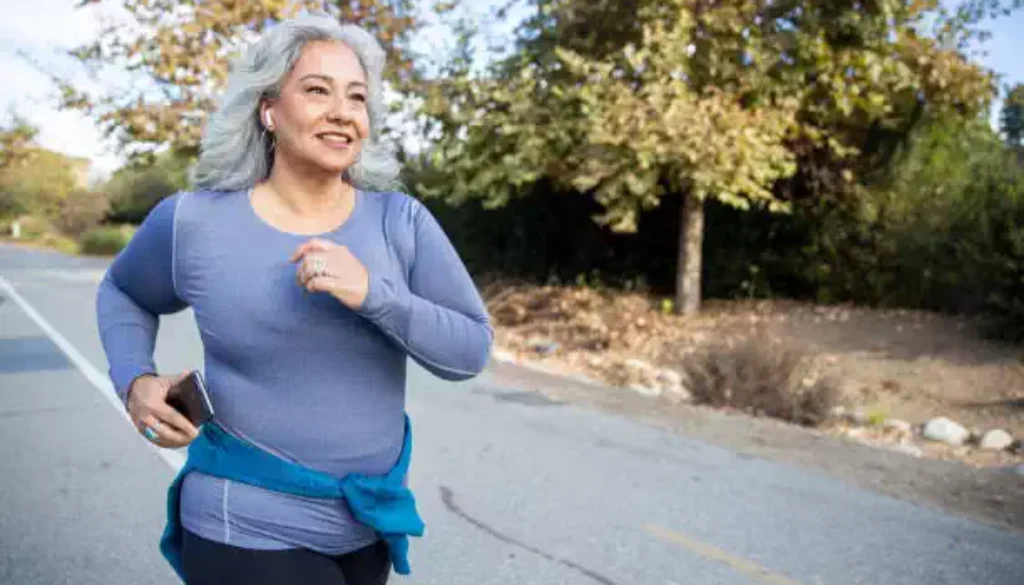
Best Workouts for Seniors
Best Workouts for Seniors: Safe, Effective Exercises for Active Aging
Written & Reviewed by


Last updated:
Emergency Section: When to Stop Exercising and Seek Help
Stop exercising immediately and seek medical attention if you experience any of these warning signs:
- Chest pain or pressure – especially if it spreads to your arms, neck, jaw, or back
- Severe shortness of breath that doesn’t improve with rest
- Dizziness, lightheadedness, or feeling faint
- Irregular heartbeat or palpitations
- Severe joint pain that’s different from usual discomfort
- Sharp, sudden pain in any part of your body
- Nausea or vomiting during exercise
- Cold sweats or clammy skin
Call 911 immediately if you experience:
- Chest pain lasting more than a few minutes
- Difficulty breathing that doesn’t improve
- Loss of consciousness or severe dizziness
- Signs of stroke (sudden numbness, confusion, trouble speaking)
Important: If you haven’t exercised in months or have chronic health conditions, consult your doctor before starting any new exercise program.
Key Takeaways (Quick Summary)
✅ Federal guidelines recommend 150 minutes of moderate exercise weekly – that’s just 30 minutes, 5 days a week
✅ Only 1 in 7 seniors currently meet these guidelines – but it’s never too late to start
✅ Falls cause 38,000+ senior deaths annually – but proper exercise reduces fall risk by up to 24%
✅ Four types of exercise matter most: strength, balance, flexibility, and aerobic activity
✅ Start slowly and progress gradually – some activity is always better than none
✅ Safety comes first – proper form beats intensity every time
✅ Many exercises can be done at home – no gym membership required
Understanding Exercise Needs for Seniors: What the Science Says
According to the CDC’s 2024 Physical Activity Guidelines, adults 65 and older need a specific combination of activities to maintain health and independence. Unfortunately, recent data shows that only about 14% of seniors currently meet these federal guidelines.
Why Exercise Becomes More Critical with Age
The Hard Reality: As we age, our bodies undergo significant changes:
- Muscle mass decreases by 3-5% per decade after age 30
- Bone density declines, especially in women after menopause
- Balance and coordination naturally deteriorate
- Cardiovascular fitness drops without regular activity
The Good News: These changes aren’t inevitable. Research published in the American Journal of Lifestyle Medicine shows that regular exercise can significantly slow or even reverse many age-related declines.
The Four Pillars of Senior Fitness
According to the National Institute on Aging and CDC guidelines, seniors need four types of exercise:
- Aerobic Activity – for heart and lung health
- Strength Training – to maintain muscle mass and bone density
- Balance Exercises – to prevent falls
- Flexibility/Stretching – to maintain mobility
Reality Check: You don’t need to become a fitness fanatic. The goal is staying active enough to maintain independence and quality of life.
Federal Guidelines: What Seniors Actually Need
Weekly Exercise Requirements (CDC Guidelines)
Aerobic Activity:
- 150 minutes of moderate-intensity exercise weekly (like brisk walking)
- OR 75 minutes of vigorous-intensity exercise (like swimming laps)
- Can be broken into 10-15 minute sessions throughout the week
Strength Training:
- At least 2 days per week working all major muscle groups
- 8-12 repetitions of each exercise
- Should challenge muscles enough that you need a short rest
Balance Activities:
- 3+ days per week for those at fall risk
- Examples: tai chi, standing on one foot, heel-to-toe walking
Flexibility:
- Daily stretching for major muscle groups
- Hold stretches for 10-30 seconds
Breaking Down the Numbers
What 150 Minutes Really Means:
- 30 minutes, 5 days a week
- OR 22 minutes daily
- OR three 50-minute sessions
Making It Manageable:
- Two 15-minute walks per day counts
- Gardening for 30 minutes counts
- Dancing in your living room counts
- Taking stairs instead of elevators counts
The 12 Best Exercises for Seniors: Complete Guide
All exercises include safety modifications and progressions
Strength Training Exercises
1. Chair Squats – Lower Body Strength
Target Areas: Thighs, glutes, core
Equipment: Sturdy chair
How to Do It:
- Sit in chair with feet flat on floor, hip-width apart
- Cross arms over chest or use chair arms for support
- Lean slightly forward and stand up slowly
- Lower back down with control – don’t drop into chair
- Repeat 8-12 times
Safety Tips:
- Use chair arms for support if needed
- Don’t lock knees when standing
- If too difficult, use higher chair or add cushion
- Progress to standing without using hands
Why It Matters: This movement mirrors getting out of chairs, beds, and cars – essential for daily independence.
2. Wall Push-Ups – Upper Body Strength
Target Areas: Chest, shoulders, arms
Equipment: Wall space
How to Do It:
- Stand arm’s length from wall, feet hip-width apart
- Place palms flat against wall at shoulder height
- Lean toward wall, then push back to starting position
- Keep body straight from head to heels
- Start with 5-8 repetitions
Safety Modifications:
- Move feet closer to wall to make easier
- Move feet farther to make harder
- Keep movements slow and controlled
- Stop if you feel dizzy or off-balance
Common Mistakes to Avoid:
- Don’t allow hips to sag
- Don’t push too aggressively
- Maintain steady breathing
3. Modified Planks – Core Strength
Target Areas: Abdominals, back, shoulders
Equipment: Wall or countertop
How to Do It:
- Place forearms against wall at shoulder height
- Step back until body forms diagonal line
- Hold position for 10-30 seconds
- Keep core engaged, breathe normally
- Return to standing position
Progression Options:
- Beginner: Wall plank (as described)
- Intermediate: Countertop plank (lower surface)
- Advanced: Modified floor plank (on knees)
Why Core Strength Matters: A strong core improves posture, reduces back pain, and enhances balance.
Balance Training Exercises
4. Single-Leg Stand – Balance and Stability
Target Areas: Legs, core, balance system
Equipment: Chair or counter for support
How to Do It:
- Stand behind chair, lightly holding back for support
- Lift one foot slightly off ground
- Hold for 10-30 seconds
- Lower foot, repeat with other leg
- Aim for 3-5 repetitions each side
Safety Progressions:
- Level 1: Hold chair with both hands
- Level 2: Hold chair with one hand
- Level 3: Light fingertip touch for support
- Level 4: No support (only if safe)
Reality Check: If you can’t balance on one foot for 10 seconds, you have increased fall risk. This exercise directly addresses that concern.
5. Heel-to-Toe Walking – Dynamic Balance
Target Areas: Balance, coordination, leg strength
Equipment: Clear walkway, wall for support
How to Do It:
- Stand with one foot directly in front of the other
- Walk forward placing heel directly in front of toes
- Take 10-20 steps in straight line
- Use wall for light support if needed
- Turn around carefully and repeat
Safety Considerations:
- Start with wall support
- Take your time – speed isn’t important
- Stop if you feel unsteady
- Practice in carpeted area initially
Flexibility and Mobility Exercises
6. Neck and Shoulder Rolls – Upper Body Flexibility
Target Areas: Neck, shoulders, upper back
Equipment: Chair (optional)
How to Do It:
- Sit or stand with good posture
- Slowly roll shoulders forward, up, back, and down
- Complete 5-10 rolls in each direction
- For neck: gently turn head left and right, up and down
- Hold each position 10-15 seconds
Important Safety Notes:
- Move slowly and gently – no forcing
- Stop if you feel dizzy or pain
- Don’t roll head in full circles
- Keep movements controlled
7. Seated Spinal Twist – Back Flexibility
Target Areas: Spine, core, back muscles
Equipment: Sturdy chair
How to Do It:
- Sit tall in chair, feet flat on floor
- Place right hand on left knee
- Gently twist upper body to the left
- Hold 15-30 seconds, feeling gentle stretch
- Return to center, repeat other side
Modifications:
- Easier: Hold chair back with outside hand for support
- Harder: Lift arms overhead while twisting
- Keep hips facing forward throughout movement
Aerobic Exercises
8. Marching in Place – Low-Impact Cardio
Target Areas: Heart, lungs, legs
Equipment: None (chair for support optional)
How to Do It:
- Stand with good posture, arms at sides
- Lift right knee toward chest (comfortable height)
- Lower right foot, lift left knee
- Swing arms naturally as you march
- Continue for 1-5 minutes
Intensity Levels:
- Low: Gentle lifting, slow pace
- Moderate: Higher knees, faster pace
- Higher: Add arm movements, increase pace
Why It Works: Gets heart pumping without impact stress on joints.
9. Chair-Based Leg Extensions – Seated Cardio
Target Areas: Heart rate, leg strength
Equipment: Sturdy chair
How to Do It:
- Sit tall in chair, hands on sides for support
- Extend right leg straight out, hold 2 seconds
- Lower with control, don’t let foot touch floor
- Complete 10-15 repetitions
- Switch legs and repeat
Cardio Enhancement:
- Alternate legs rapidly for cardio effect
- Add arm movements
- Continue for 2-5 minutes
Water-Based Exercises
10. Water Walking – Joint-Friendly Cardio
Target Areas: Full body, cardiovascular system
Equipment: Swimming pool (chest-deep water ideal)
How to Do It:
- Enter pool to chest-deep water
- Walk normally forward across pool
- Turn and walk backward (hold pool edge if needed)
- Continue for 10-30 minutes
- Vary with side-stepping, marching
Benefits:
- Water supports 80% of body weight
- Natural resistance strengthens muscles
- Cooling effect prevents overheating
- Low impact on joints
Safety Considerations:
- Always have lifeguard present or swim with buddy
- Enter and exit pool carefully
- Stay in appropriate depth water
Mind-Body Exercises
11. Chair Tai Chi – Balance and Relaxation
Target Areas: Balance, flexibility, mental well-being
Equipment: Sturdy chair
Basic Movements:
- Raising Arms: Slowly lift arms to shoulder height, lower gently
- Wave Hands: Move arms in flowing, circular motions
- Gentle Twists: Rotate upper body left and right
- Deep Breathing: Focus on slow, controlled breathing
Why Tai Chi Matters: Research shows tai chi reduces fall risk by 43% in seniors and improves balance, flexibility, and mental well-being.
12. Gentle Yoga Stretches – Flexibility and Strength
Target Areas: Full body flexibility, core strength
Equipment: Chair or mat
Chair-Based Poses:
- Seated Mountain Pose: Sit tall, breathe deeply
- Seated Cat-Cow: Arch and round spine gently
- Seated Forward Fold: Lean forward from hips
- Seated Spinal Twist: As described above
Benefits Beyond Physical:
- Reduces stress and anxiety
- Improves sleep quality
- Enhances mental clarity
- Builds body awareness
Exercise Comparison Tables
Safety and Difficulty Levels
| Exercise | Difficulty Level | Fall Risk | Equipment Needed | Time Required |
|---|---|---|---|---|
| Chair Squats | Beginner | Low | Chair | 2-3 minutes |
| Wall Push-ups | Beginner | Very Low | None | 2-3 minutes |
| Single-Leg Stand | Intermediate | Medium* | Chair/support | 2-3 minutes |
| Heel-to-Toe Walk | Intermediate | Medium* | Wall support | 3-5 minutes |
| Water Walking | Beginner-Intermediate | Low** | Pool access | 15-30 minutes |
| Chair Tai Chi | Beginner | Very Low | Chair | 5-15 minutes |
*Use proper support and supervision
**Pool safety rules apply
Health Benefits by Exercise Type
| Exercise Category | Primary Benefits | Best For | Frequency |
|---|---|---|---|
| Strength Training | Bone density, muscle mass, metabolism | Daily activities, preventing frailty | 2-3 days/week |
| Balance Exercises | Fall prevention, stability, confidence | Reducing fall risk | 3+ days/week |
| Flexibility | Joint mobility, posture, pain reduction | Morning stiffness, daily movement | Daily |
| Aerobic Activity | Heart health, endurance, mood | Overall health, energy | 5+ days/week |
Exercise Modifications by Fitness Level
| Fitness Level | Recommended Starting Point | Weekly Goal | Key Focus |
|---|---|---|---|
| Sedentary | Chair exercises, 5-10 minutes daily | 50-75 minutes total | Building habit |
| Somewhat Active | Mix of seated/standing exercises | 100-125 minutes total | Adding variety |
| Regularly Active | Full routine with progressions | 150+ minutes total | Maintaining/progressing |
Creating Your Personal Exercise Plan
Week 1-2: Building the Foundation
Goal: Establish routine and assess current fitness level
Daily Schedule:
- Monday: Chair exercises (10 minutes)
- Tuesday: Walking or marching in place (10 minutes)
- Wednesday: Balance practice with support (10 minutes)
- Thursday: Gentle stretching (10 minutes)
- Friday: Repeat Monday’s routine
- Weekend: Light activity (gardening, casual walking)
Week 3-4: Adding Structure
Goal: Increase duration and add strength training
Sample Week:
- Monday & Wednesday: Strength exercises (15 minutes)
- Tuesday, Thursday, Saturday: Walking/aerobic activity (15-20 minutes)
- Daily: 5-10 minutes of stretching
- 3x per week: Balance exercises
Month 2 and Beyond: Full Program
Goal: Meet federal guidelines with activities you enjoy
Weekly Template:
- 150 minutes aerobic activity (spread throughout week)
- 2 strength training sessions (20-30 minutes each)
- 3+ balance practice sessions (10-15 minutes each)
- Daily stretching (10-15 minutes)
Reality Check: Progress isn’t always linear. Some days will be harder than others, and that’s completely normal.
Safety Guidelines and Precautions
Before You Start
Essential Safety Steps:
- Consult your doctor if you have chronic conditions or haven’t exercised recently
- Start slowly – your body needs time to adapt
- Learn proper form before increasing intensity
- Have emergency contact information easily accessible
During Exercise
Safety Rules:
- Warm up with 5-10 minutes of gentle movement
- Stay hydrated – drink water before, during, and after exercise
- Listen to your body – mild muscle fatigue is normal, pain is not
- Breathe properly – never hold your breath during exercise
- Cool down with gentle stretching
Warning Signs to Watch For
Stop exercising if you experience:
- Unusual shortness of breath
- Chest discomfort or pressure
- Excessive fatigue that doesn’t improve with rest
- Joint pain that’s different from usual aches
- Dizziness or feeling faint
Environmental Safety
Exercise Environment Checklist:
- Remove tripping hazards (rugs, clutter)
- Ensure good lighting
- Have sturdy chair or wall nearby for support
- Wear proper footwear (non-slip soles)
- Exercise when you feel most alert
Common Challenges and Realistic Solutions
Challenge: “I’m Too Old to Start Exercising”
Reality: It’s never too late to start. A study in the Journal of the American Geriatrics Society showed that even adults in their 90s can improve strength and balance with proper exercise.
Solution: Start with chair exercises and gentle movements. Focus on consistency over intensity.
Challenge: “I Have Arthritis/Joint Pain”
Reality: Gentle exercise actually reduces arthritis pain and stiffness. The Arthritis Foundation strongly recommends regular, appropriate exercise.
Solutions:
- Try water exercises for joint-friendly movement
- Use heat therapy before exercise (warm shower, heating pad)
- Choose low-impact activities like tai chi or gentle yoga
- Exercise during your best time of day
Challenge: “I’m Afraid of Falling”
Reality: This fear is understandable – falls cause 38,000+ senior deaths annually according to the CDC. However, appropriate exercise actually reduces fall risk.
Solutions:
- Start all balance exercises with support
- Practice on carpeted surfaces initially
- Have someone nearby when trying new exercises
- Join a senior-focused exercise class for support
Challenge: “I Don’t Have Time”
Reality: Even 10 minutes of daily activity provides health benefits.
Solutions:
- Break exercise into 5-10 minute chunks
- Combine with daily activities (march while watching TV)
- Park farther away and walk
- Take stairs when available
Challenge: “I Can’t Afford a Gym”
Reality: Most effective senior exercises can be done at home with minimal or no equipment.
Solutions:
- Use this article’s home exercise recommendations
- Check community centers for free/low-cost senior programs
- Find YouTube exercise videos designed for seniors
- Use household items as exercise equipment (water bottles as weights)
Equipment and Resources
Essential Equipment (Budget-Friendly)
- Sturdy chair – for support and seated exercises
- Water bottles – can serve as light weights
- Towel – for stretching exercises and grip
- Non-slip mat – for floor exercises (optional)
- Resistance band – versatile and inexpensive ($10-15)
Where to Find Programs
Community Resources:
- Senior Centers – Find local programs
- YMCA/YWCA – Senior-focused classes
- SilverSneakers – Medicare fitness benefit
- Local hospitals often offer senior wellness programs
Online Resources:
- Go4Life (National Institute on Aging) – Free exercise videos and guides
- CDC STEADI Initiative – Fall prevention resources
- YouTube channels focused on senior fitness
Professional Support
Consider Working With:
- Physical Therapists – especially if you have specific health concerns
- Certified Senior Fitness Instructors – specialized training for older adults
- Occupational Therapists – can help adapt exercises for your needs
Frequently Asked Questions
Q: How do I know if I’m exercising at the right intensity?
A: For moderate-intensity exercise, you should be able to talk but not sing. You’ll breathe harder and your heart will beat faster, but you shouldn’t feel breathless or exhausted. Start at a level that feels “somewhat easy” and gradually progress. Always consult your healthcare provider about appropriate intensity levels for your specific health conditions.
Q: What if I have multiple chronic conditions like diabetes and heart disease?
A: Exercise can actually help manage many chronic conditions, but it’s crucial to work with your healthcare team to develop a safe, appropriate plan. Your doctor can advise on any exercise restrictions, optimal timing around medications, and warning signs to watch for. Many conditions benefit from exercise, but the approach may need to be modified.
Q: How long before I see results from exercise?
A: You may notice improved energy and mood within 1-2 weeks. Strength gains typically appear in 4-6 weeks, while significant balance improvements may take 2-3 months of consistent practice. Remember that preventing decline is also a valuable result, even if you don’t see dramatic improvements. Discuss realistic expectations with your healthcare provider.
Q: Is it safe to exercise if I take blood thinners?
A: Many people on blood thinners can exercise safely, but you should consult your doctor about any restrictions. You may need to avoid activities with high fall risk or contact potential. Your healthcare provider can advise on safe activities and any precautions specific to your medication regimen.
Q: What’s the difference between soreness and pain I should worry about?
A: Normal exercise soreness is typically a dull ache in muscles that peaks 24-48 hours after exercise and gradually improves. Concerning pain is sharp, sudden, persistent, or gets worse rather than better. Joint pain, chest pain, or pain that interferes with daily activities should be evaluated by a healthcare provider immediately.
Q: Can I exercise if I use a walker or wheelchair?
A: Absolutely! There are many effective exercises that can be adapted for different mobility levels. Chair exercises, upper body movements, and modified strength training can all be beneficial. An occupational or physical therapist can help design a program that works with your specific needs and equipment. Always consult your healthcare provider about appropriate modifications.
Q: How do I stay motivated when progress feels slow?
A: Focus on how exercise makes you feel rather than just physical changes. Track improvements in daily activities like climbing stairs or carrying groceries. Consider exercising with others for social support. Celebrate small victories and remember that maintaining current abilities is also success. Your healthcare provider can help you set realistic goals and recognize progress.
Resources and Where to Get Help
Government Health Resources
Centers for Disease Control and Prevention (CDC)
Website: CDC.gov/PhysicalActivity
Phone: 1-800-CDC-INFO
- Physical Activity Guidelines for Older Adults
- STEADI Fall Prevention Initiative
- Exercise safety recommendations
National Institute on Aging (NIA)
Website: NIA.NIH.gov
Phone: 1-800-222-2225
- Go4Life exercise program
- Research-based exercise recommendations
- Safety guidelines for senior fitness
Administration for Community Living
Website: ACL.gov
Find Local Services: Eldercare.ACL.gov
Phone: 1-800-677-1116
- Local senior center programs
- Community exercise resources
Professional Organizations
American College of Sports Medicine (ACSM)
Website: ACSM.org
- Exercise guidelines and safety recommendations
- Certified trainer directory
- Senior fitness resources
National Academy of Sports Medicine (NASM)
Website: NASM.org
- Find certified senior fitness specialists
- Exercise modification resources
Fitness Programs with Senior Focus
SilverSneakers
Website: SilverSneakers.com
Phone: 1-888-423-4632
- Medicare fitness benefit program
- Gym access and classes nationwide
- Online workout videos
YMCA/YWCA
Website: YMCA.net
- Senior-focused classes and programs
- Water exercise programs
- Sliding scale pricing often available
Healthcare Professional Guidance
Physical Therapy Directory
American Physical Therapy Association: ChoosePT.com
- Find licensed physical therapists
- Specialists in geriatric care
Occupational Therapy Directory
American Occupational Therapy Association: AOTA.org
- Find occupational therapists
- Home safety and exercise adaptation
Emergency and Safety Resources
National Safety Council
Website: NSC.org
- Fall prevention resources
- Home safety checklists
Poison Control (for medication questions)
Phone: 1-800-222-1222
- Available 24/7 for medication interaction questions
Equipment and Supplies
Medical Equipment Suppliers
- Local medical supply stores for resistance bands, stability balls
- Online retailers: Amazon, Walmart, Target for basic equipment
- Check with insurance – some plans cover exercise equipment
Community Resources
- Library lending programs (some lend exercise DVDs)
- Senior centers often have equipment available
- Community colleges may have senior fitness programs
The Bottom Line: Starting Your Journey to Better Health
Regular exercise is one of the most powerful tools you have for maintaining independence, preventing falls, and enjoying life as you age. The research is clear: seniors who stay active live longer, healthier lives with better quality of life.
Remember These Key Points:
- Start where you are – even 5 minutes of daily movement is beneficial
- Safety first – proper form and gradual progression prevent injuries
- Consistency matters more than intensity – regular gentle exercise beats sporadic intense workouts
- It’s never too late – studies show benefits even for those starting exercise in their 80s and 90s
- Get professional guidance – your healthcare team can help create a safe, effective plan
Your Next Steps:
- Talk to your doctor about starting an exercise program
- Choose 2-3 exercises from this guide that appeal to you
- Start with 5-10 minutes daily and gradually increase
- Track your progress – note improvements in daily activities
- Find support – whether family, friends, or formal programs
Take Action Today:
- Schedule that doctor’s appointment
- Clear a space in your home for exercise
- Pick your first exercise to try tomorrow
- Share your goals with a family member or friend
Remember: You’re not trying to become an Olympic athlete. You’re investing in your independence, health, and quality of life. Every step you take, every stretch you do, every balance exercise you practice is an investment in your future self.
The statistics show that only 1 in 7 seniors currently meet exercise guidelines, but you can be different. You can be among those who age actively, maintaining strength, balance, and independence well into your golden years.
Disclaimer
This information is for educational purposes only and should not replace professional medical advice. Exercise programs should be appropriate for your individual health status and physical capabilities.
Always consult with your healthcare provider before beginning any new exercise program, especially if you have:
- Heart disease or cardiovascular conditions
- Diabetes or blood sugar management issues
- Bone or joint problems, including osteoporosis
- Balance problems or history of falls
- High blood pressure or circulation issues
- Any chronic medical conditions
- Take medications that affect balance or heart rate
Exercise modifications and intensity should be determined by qualified healthcare professionals based on your individual health assessment. This article provides general guidelines that may not be appropriate for all individuals.
The exercise recommendations and safety guidelines in this article are based on current federal guidelines and peer-reviewed research, but individual needs may vary significantly. What works safely for one person may not be appropriate for another.
Emergency procedures and warning signs are general guidelines. Always follow your healthcare provider’s specific instructions for your medical conditions, and call 911 for any medical emergency.
Program details, resources, and contact information can change. Readers should always verify current information with relevant organizations, healthcare providers, and program administrators before making decisions or commitments.
About the Authors