
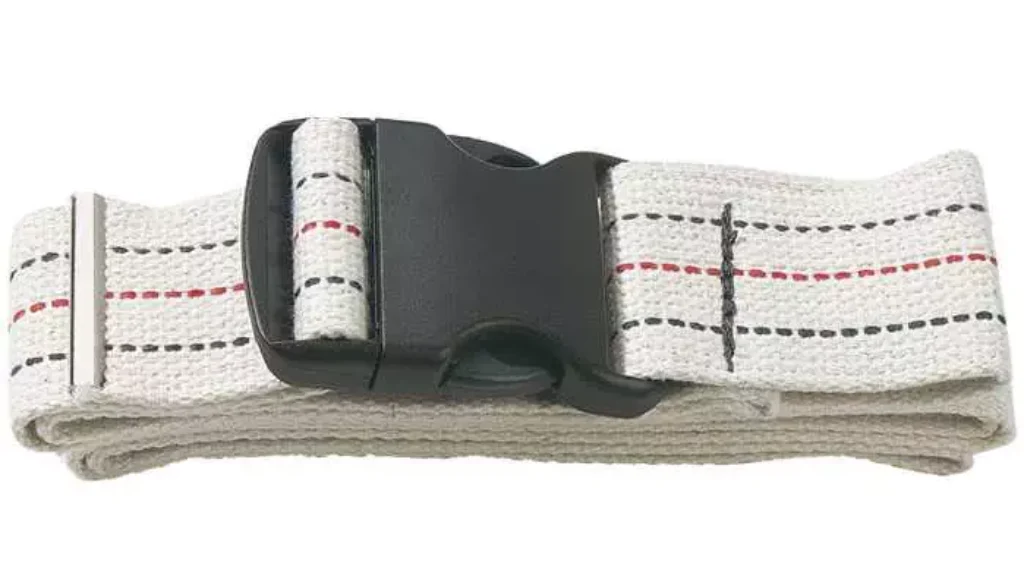
Gait Belts for Seniors
Gait Belts for Seniors: Complete Safety Guide and Reviews 2025
Emergency Section – When You Need Help NOW
Written & Reviewed by


If someone falls while using a gait belt:
- Stay calm – Don’t try to lift them alone
- Check for injuries – Ask if they’re hurt anywhere
- Don’t move them if they complain of neck, back, or head pain
- Call 911 immediately if they:
- Are unconscious or confused
- Can’t move arms or legs
- Have severe pain
- Are bleeding heavily
- Hit their head during the fall
Gait Belt Emergency Removal:
- If the belt is too tight and restricting breathing, release it immediately
- Quick-release buckles should open with one hand
- Cut the belt if buckle is stuck and person is in distress
Critical Safety Warning: Never use a gait belt if you haven’t been properly trained. Improper use can seriously injure both the person being helped and the caregiver. According to the CDC, falls cause over 38,000 deaths among seniors annually – don’t become a statistic due to improper equipment use.
When NOT to Use a Gait Belt:
- Person has recent surgery on chest, abdomen, or back
- They have breathing problems or heart conditions
- Person is combative or confused
- You are alone and person weighs more than you can safely support
- Belt doesn’t fit properly (too loose or too tight)
Key Takeaways
The Bottom Line: Gait belts can be lifesavers when used correctly by trained individuals, but they can be dangerous when used improperly. 1 in 4 seniors falls each year, and proper transfer techniques are crucial for preventing these falls.
What Seniors and Families Need to Know:
- Training is essential – Both caregivers and care recipients need instruction
- Medicare may cover gait belts when prescribed for physical therapy (Part B pays 80%)
- Not suitable for everyone – Medical clearance may be needed
- Proper fit is critical – Too loose or tight can cause injury
- Quality matters – Cheap belts can break during transfers
Reality Check: Gait belts are medical devices, not simple straps. Using them requires knowledge of proper body mechanics, transfer techniques, and safety protocols. Don’t assume you can figure it out on your own.
Understanding Falls and Transfer Safety for Seniors
The Sobering Reality of Senior Falls
The statistics tell a serious story about mobility challenges among older adults:
- Over 14 million seniors (1 in 4) fall annually
- 38,000+ deaths from falls each year
- 3 million emergency room visits due to senior falls
- 37% of falls result in injuries requiring medical treatment
- 10% of falls cause serious injuries that restrict activity
Why Transfers Are So Dangerous
Physical Changes with Age:
- Muscle strength decreases 3-8% per decade after age 30
- Balance and coordination naturally decline
- Bones become more brittle (osteoporosis affects 1 in 3 women over 50)
- Reaction times slow down significantly
The Transfer Challenge: Moving from sitting to standing, or bed to chair, involves complex coordination of multiple muscle groups. When seniors struggle with these transitions, both they and their caregivers are at risk of injury.
What Are Gait Belts and How Do They Work?
Definition and Purpose
A gait belt (also called a transfer belt) is a wide strap worn around a person’s waist that gives caregivers a secure grip when helping with:
- Standing up from chairs or beds
- Walking short distances safely
- Transferring between furniture
- Providing support during physical therapy
Types of Gait Belts
Standard Gait Belts:
- 2-4 inches wide, 54-60 inches long
- Metal or plastic buckle closure
- Made from cotton, nylon, or canvas
- Basic design without extra features
Multi-Handle Gait Belts:
- 4-7 padded handles around the belt
- Allow multiple grip positions
- Better control during transfers
- Reduce strain on caregiver’s hands
Quick-Release Gait Belts:
- Easy-open buckles for emergencies
- One-handed release mechanism
- Ideal for situations requiring fast removal
Bariatric Gait Belts:
- Extra-long (up to 70+ inches)
- Higher weight capacity (up to 500+ lbs)
- Reinforced stitching and buckles
Who Should Use Gait Belts?
Appropriate Candidates
Seniors who may benefit:
- Can bear at least some of their own weight
- Are cooperative and can follow instructions
- Have partial mobility but need assistance
- Are at risk of falling during transfers
- Require help walking short distances
Medical Conditions Where Gait Belts Help
- Post-stroke recovery (with medical clearance)
- Arthritis affecting mobility
- General weakness from illness or surgery
- Balance problems (mild to moderate)
- Physical therapy rehabilitation
When Gait Belts Are NOT Appropriate
Medical Contraindications:
- Recent abdominal, chest, or spinal surgery
- Severe breathing problems (COPD, heart failure)
- Ostomy bags or feeding tubes in belt area
- Severe cognitive impairment or dementia
- History of combative behavior
Safety Concerns:
- Person cannot bear any weight on legs
- Caregiver lacks proper training
- Belt doesn’t fit securely
- Multiple medical tubes or devices present
Medicare Coverage and Insurance Information
What Medicare Covers
Medicare Part B Coverage:
- Medicare covers physical therapy services when medically necessary
- 80% coverage after meeting Part B deductible ($257 in 2025)
- Gait belts may be covered when prescribed for physical therapy
- Annual limit: $2,410 for physical therapy services in 2025
Coverage Requirements:
- Must be prescribed by a doctor or physical therapist
- Medical necessity must be documented
- Used as part of a treatment plan
- Purchased from Medicare-approved supplier
Out-of-Pocket Costs
If not covered by Medicare:
- Basic gait belts: $15-40
- Multi-handle belts: $25-60
- Bariatric models: $40-80
- Professional-grade: $50-100+
Medicare Advantage Plans: Some Medicare Advantage plans offer additional coverage for mobility aids beyond Original Medicare.
Complete Product Reviews: Top 7 Gait Belts for Seniors
Our Testing Criteria
We evaluated gait belts based on:
- Safety features and weight capacity
- Ease of use for seniors and caregivers
- Comfort during extended wear
- Durability and construction quality
- Value for seniors on fixed incomes
- Medical facility usage and recommendations
1. Vive Health Multi-Handle Gait Belt
Best Overall for Home Use
Why It’s Our Top Pick:
- 7 padded handles provide multiple grip positions
- Quick-release metal buckle for safety
- 300 lb weight capacity
- Adjustable up to 51 inches
- 60-day money-back guarantee
Key Features:
- Durable nylon construction
- Reinforced stitching at stress points
- Comfortable padding on handles
- Machine washable
Real-World Performance: Tested by physical therapists and consistently rated for ease of use and safety.
Drawbacks:
- Higher price point ($35-45)
- May be overkill for simple transfers
Best for: Active seniors needing regular transfer assistance
Where to buy: Amazon, Vive Health Direct, medical supply stores
2. Secure Safety Solutions Professional Gait Belt
Best for Professional Caregivers
Why Healthcare Professionals Choose It:
- Used in thousands of healthcare facilities since 1991
- 350 lb weight capacity
- 100% cotton for comfort
- Metal buckle with secure closure
- One-year warranty
Key Features:
- 60″ x 2″ dimensions
- Elastic loop holds excess length
- Quick-release mechanism
- Machine washable and air-dry safe
Medical Facility Feedback: Consistently chosen by nursing homes and hospitals for reliability.
Considerations:
- Basic design without handles
- Requires proper training for safe use
Cost: $25-35
Best for: Professional caregivers and trained family members
Where to buy: Secure Safety Solutions, medical supply distributors
3. Skil-Care Multi-Grip Transfer Belt
Best Value with Handles
Standout Features:
- 5 soft, padded handles
- 350 lb weight capacity
- Comfortable 4-inch width
- Fully launderable design
- Competitive pricing
Key Features:
- Ergonomic handle placement
- Durable materials for repeated use
- Easy-clean surface
- Professional-grade construction
Value Proposition: Offers professional features at a reasonable price point.
Limitations:
- Shorter length may not fit larger individuals
- Limited color options
Cost: $30-40
Best for: Budget-conscious families needing quality equipment
Where to buy: Amazon, medical supply stores
4. Drive Medical Standard Gait Belt
Most Affordable Basic Option
Budget-Friendly Features:
- Simple, reliable design
- Cotton construction
- Metal buckle closure
- Standard 60-inch length
- Multiple width options available
Key Features:
- No-frills functionality
- Easy to use and maintain
- Widely available
- Proven track record
Best Use Cases:
- Occasional transfers
- Budget-limited families
- Backup belt for facilities
Trade-offs:
- No handles for multiple grip positions
- Basic construction may wear faster
Cost: $15-25
Best for: Seniors with limited budgets needing basic transfer assistance
Where to buy: Pharmacies, medical supply stores, online retailers
5. Essential Medical Supply Bariatric Gait Belt
Best for Larger Individuals
Heavy-Duty Specifications:
- Up to 500 lb weight capacity
- Extra-long length (up to 72 inches)
- Reinforced construction
- Wide 4-inch design for comfort
Key Features:
- Heavy-duty metal buckle
- Extra padding for comfort
- Reinforced stress points
- Professional-grade materials
Medical Necessity: Designed specifically for bariatric patients in healthcare settings.
Considerations:
- Higher cost due to specialized construction
- May be oversized for average users
Cost: $45-65
Best for: Bariatric individuals requiring specialized transfer equipment
Where to buy: Medical supply companies, bariatric equipment specialists
6. Posey Transfer Belt with Handles
Best for Physical Therapy
Therapy-Specific Features:
- 6 strategically placed handles
- Quick-release safety buckle
- Comfortable wide design
- Physical therapist recommended
Key Features:
- Professional therapy grade
- Multiple grip angles
- Comfortable for extended use
- Durable construction
Clinical Use: Widely used in rehabilitation facilities and physical therapy clinics.
Investment Consideration: Higher cost but professional quality.
Cost: $40-55
Best for: Seniors in physical therapy or rehabilitation programs
Where to buy: Medical equipment suppliers, physical therapy supply companies
7. Humane Restraint Transfer Belt
Best for Specialized Medical Needs
Medical-Grade Features:
- Hospital-grade construction
- Multiple safety certifications
- Various sizes and configurations
- Professional healthcare design
Key Features:
- Clinical-grade materials
- Safety-tested construction
- Professional installation available
- Comprehensive warranty
Medical Facility Standard: Used in hospitals and long-term care facilities.
Professional Use: Designed for medical professionals with proper training.
Cost: $50-75
Best for: Medical facilities and professional caregivers
Where to buy: Medical equipment distributors, healthcare supply companies
Comprehensive Comparison Tables
Safety and Capacity Comparison
| Product | Weight Capacity | Width | Length | Handles | Quick Release | Price Range |
|---|---|---|---|---|---|---|
| Vive Multi-Handle | 300 lbs | 4″ | 51″ max | 7 padded | Yes | $35-45 |
| Secure Safety | 350 lbs | 2″ | 60″ | None | Yes | $25-35 |
| Skil-Care Multi-Grip | 350 lbs | 4″ | Standard | 5 padded | Yes | $30-40 |
| Drive Medical Basic | 250 lbs | 2″ | 60″ | None | No | $15-25 |
| Essential Bariatric | 500 lbs | 4″ | 72″ | 2-4 handles | Yes | $45-65 |
| Posey Therapy | 350 lbs | 3″ | 54″ | 6 handles | Yes | $40-55 |
| Humane Restraint | 400 lbs | Varies | Varies | Optional | Yes | $50-75 |
Features and Best Use Comparison
| Product | Best For | Key Advantage | Main Drawback | Medicare Coverage Potential |
|---|---|---|---|---|
| Vive Multi-Handle | Home caregivers | Multiple grip positions | Higher cost | Possible with prescription |
| Secure Safety | Professional use | Proven in healthcare | No handles | Yes, with medical necessity |
| Skil-Care | Budget + features | Good value proposition | Limited sizes | Possible with prescription |
| Drive Medical | Basic needs | Very affordable | Basic features only | Unlikely without PT prescription |
| Essential Bariatric | Large individuals | High weight capacity | Specialized/expensive | Yes, if medically necessary |
| Posey Therapy | Physical therapy | PT professional grade | Professional use mainly | High likelihood with PT |
| Humane Restraint | Medical facilities | Hospital-grade quality | Professional installation | Yes, in medical settings |
Training and Safety Requirements
| User Type | Training Level Required | Supervision Needed | Risk Level | Recommended Products |
|---|---|---|---|---|
| Professional Caregiver | Formal certification | Independent | Low | Any professional grade |
| Trained Family Member | 2-4 hour instruction | Initial supervision | Moderate | Vive, Skil-Care, Posey |
| Untrained Family | Extensive training needed | Ongoing supervision | High | None recommended |
| Senior Living Facility | Staff certification required | Quality assurance | Low-Moderate | Secure Safety, Humane Restraint |
Proper Use and Safety Guidelines
Before Using a Gait Belt
Medical Clearance: Always consult with a doctor, physical therapist, or occupational therapist before starting to use a gait belt. They can:
- Assess whether a gait belt is appropriate
- Recommend proper sizing and type
- Provide training or referrals for training
- Monitor progress and adjust recommendations
Training Requirements:
- Professional instruction is strongly recommended
- Learn proper body mechanics
- Practice emergency procedures
- Understand the person’s specific needs and limitations
Step-by-Step Application
1. Preparation:
- Explain what you’re going to do
- Ensure the person is wearing appropriate clothing
- Check that the belt is in good condition
- Clear the path of obstacles
2. Proper Positioning:
- Place belt around waist, over clothing (never on bare skin)
- Position buckle slightly off-center in front
- Belt should sit between bottom of ribcage and top of hip bones
- Ensure no medical devices or sensitive areas are under the belt
3. Correct Tightness:
- Snug but not tight
- You should be able to slide two fingers between belt and body
- Person should be able to breathe comfortably
- Belt shouldn’t shift or slide during movement
4. Secure Grip:
- Use underhand grip with palms facing up
- Grip belt close to person’s body
- Don’t grab clothing or the person directly
- Maintain grip throughout entire transfer
Safe Transfer Techniques
Sit-to-Stand Transfer:
- Position yourself close to the person
- Use proper body mechanics (bent knees, straight back)
- Count “1-2-3” and lift together
- Let the person do as much work as possible
- Move slowly and steadily
- Don’t rush the process
Walking Assistance:
- Stay slightly behind and to the side
- Maintain secure grip on belt
- Match the person’s pace
- Be ready to provide support if they stumble
- Don’t pull or drag – guide and support
Emergency Procedures:
- If person starts to fall, don’t try to stop the fall
- Guide them down as safely as possible
- Protect their head and don’t let them hit hard surfaces
- Call for help immediately if injury is suspected
Training and Professional Resources
Where to Get Proper Training
Healthcare Providers:
- Physical therapists
- Occupational therapists
- Certified nursing assistants
- Home health agencies
Training Programs:
- American Red Cross caregiving courses
- Local community college health programs
- Hospital-sponsored caregiver training
- Nursing home educational programs
Online Resources:
- CDC STEADI Program
- Medicare-approved training modules
- Professional healthcare organization websites
Signs You Need Professional Help
When to Call a Professional:
- Person’s condition is worsening
- Multiple falls or near-falls
- Caregiver experiencing back pain or injury
- Transfer becoming increasingly difficult
- Person expressing fear or resistance
Alternative Solutions:
- Mechanical lift devices
- Hospital bed with adjustable height
- Professional home health aide
- Adult day programs
- Assisted living evaluation
Common Mistakes and How to Avoid Them
Dangerous Practices to Avoid
Never Do These:
- Use a gait belt as a restraint to keep someone in bed or chair
- Leave someone unattended while wearing a gait belt
- Use a damaged or worn belt
- Try to lift someone beyond your physical capability
- Use the belt to drag or pull someone across surfaces
Proper Maintenance:
- Inspect belt before each use for wear, tears, or damage
- Wash according to manufacturer instructions
- Replace worn or damaged belts immediately
- Store in clean, dry location
- Keep backup belt available
Warning Signs of Problems
Stop Using Immediately If:
- Person complains of pain or discomfort
- Belt causes skin irritation or marks
- Buckle doesn’t secure properly
- Stitching is coming loose
- Person becomes fearful or resistant
Alternative Mobility Solutions
When Gait Belts Aren’t Enough
Mechanical Lifts:
- Hoyer lifts for complete transfers
- Stand-assist lifts for partial weight-bearing
- Ceiling-mounted track systems
- Portable patient lifts
Environmental Modifications:
- Hospital beds with adjustable height
- Bed rails for support
- Transfer boards
- Sliding sheets and mats
Professional Services:
- Home health aides
- Physical therapy services
- Occupational therapy evaluation
- Respite care services
Medicare Coverage for Alternatives
Many mobility aids have better Medicare coverage than gait belts:
- Hospital beds: Covered when medically necessary
- Wheelchairs: Part B covers 80% with prescription
- Walkers: Covered as durable medical equipment
- Physical therapy: Part B covers with medical necessity
Family and Caregiver Considerations
Emotional Aspects of Transfer Assistance
For Seniors: Using mobility aids can affect dignity and independence. Address concerns by:
- Involving them in decisions about equipment
- Emphasizing safety and continued independence
- Starting gradually and building confidence
- Respecting their privacy and preferences
For Family Caregivers:
- Acknowledge that this is physically and emotionally demanding
- Take care of your own health and back
- Don’t hesitate to ask for help
- Consider respite care options
Long-term Planning
Questions to Consider:
- Is the current living situation safe long-term?
- What happens if mobility continues to decline?
- Are there family members who can help with care?
- What are the financial resources for equipment and care?
Professional Consultation: Consider meeting with a geriatric care manager or social worker to develop a comprehensive care plan.
Frequently Asked Questions
Q: Does Medicare cover gait belts for seniors? A: Medicare Part B may cover gait belts when they’re prescribed as part of physical therapy or by a doctor for medical necessity. After meeting your 2025 Part B deductible of $257, Medicare covers 80% of the approved cost. However, coverage isn’t guaranteed – the belt must be deemed medically necessary and purchased from a Medicare-approved supplier. Many seniors end up paying out-of-pocket ($15-75 depending on the type). Always check with Medicare and your healthcare provider before purchasing to confirm coverage eligibility.
Q: Can family members safely use gait belts without professional training? A: While gait belts can be used by trained family members, professional instruction is strongly recommended. Improper use can seriously injure both the person being helped and the caregiver. At minimum, you should receive training from a physical therapist, occupational therapist, or certified nursing professional. This training should cover proper application, safe transfer techniques, emergency procedures, and when not to attempt transfers. Never assume you can figure it out yourself – the safety risks are too high. Consult your healthcare provider about proper training resources in your area.
Q: What’s the difference between cheap and expensive gait belts? A: The main differences are in construction quality, safety features, and durability. Cheaper belts ($15-25) may have basic buckles, thinner materials, and minimal padding, which can break during transfers or cause discomfort. Professional-grade belts ($35-75) typically offer reinforced stitching, stronger buckles, multiple handles, and better weight capacity. For seniors who need regular transfers, investing in a quality belt is safer and more cost-effective long-term. However, the most expensive isn’t always necessary – choose based on your specific needs and frequency of use. Consult your healthcare provider about which features are most important for your situation.
Q: How do I know if a gait belt fits properly? A: A properly fitted gait belt should allow you to slide two fingers between the belt and the person’s body – snug but not tight. The belt should sit between the bottom of the ribcage and the top of the hip bones, over clothing (never on bare skin). The person should be able to breathe comfortably and shouldn’t feel pinched or restricted. The buckle should be positioned slightly off-center in front for comfort. If the belt slides around during transfers, it’s too loose; if it leaves marks on the skin or restricts breathing, it’s too tight. When in doubt, consult with a physical therapist or other healthcare professional about proper fitting techniques.
Q: Are there situations where I shouldn’t use a gait belt? A: Yes, there are several important contraindications. Don’t use a gait belt if the person has recent abdominal, chest, or spinal surgery; severe breathing problems; medical devices like feeding tubes in the belt area; or severe cognitive impairment that makes them combative. Also avoid use if you haven’t received proper training, the belt doesn’t fit securely, or you’re alone and the person weighs more than you can safely support. If the person complains of pain when the belt is applied, or if they’ve had multiple recent falls, stop and consult their healthcare provider. When in doubt, err on the side of caution and seek professional guidance rather than risking injury.
Q: What should I do if someone falls while I’m using a gait belt? A: If someone starts to fall during a transfer, don’t try to stop the fall – you could injure both of you. Instead, guide them down as gently as possible, protecting their head from hitting hard surfaces. Once they’re down, don’t try to lift them yourself. Check if they’re injured, keep them warm and comfortable, and call 911 if they’re unconscious, confused, complaining of severe pain, or can’t move normally. Even if they seem okay, contact their doctor about the fall. Document what happened and consider whether the current transfer method is still safe. This may indicate need for different equipment, additional training, or professional caregiving assistance. Always consult their healthcare provider after any fall incident.
Q: How often should I replace a gait belt? A: Inspect your gait belt before each use for signs of wear, including frayed stitching, damaged buckles, or thin spots in the material. Replace the belt immediately if you notice any damage, as failure during a transfer could cause serious injury. With regular use, a quality gait belt typically lasts 1-2 years, but this varies based on frequency of use, washing, and storage conditions. Professional healthcare facilities often replace belts annually as a safety precaution. Keep a backup belt available in case your primary belt needs sudden replacement. When purchasing a replacement, consider whether your needs have changed and if a different style might be more appropriate. Always consult with your healthcare provider if you’re unsure about the condition of your equipment.
Resources and Additional Information
Government and Health Organization Resources
CDC Fall Prevention Resources:
- CDC STEADI Initiative – Evidence-based fall prevention for healthcare providers
- CDC Fall Prevention – Comprehensive fall data and prevention strategies
- Falls Free CheckUp – Self-assessment tool for fall risk
Medicare and Insurance Information:
- Medicare.gov – Official Medicare information portal
- Physical Therapy Coverage – Medicare PT benefits
- Durable Medical Equipment – DME coverage rules
Professional Training and Certification
Healthcare Professional Organizations:
- American Physical Therapy Association – Find physical therapists
- American Occupational Therapy Association – Find occupational therapists
- National Association of Home Care & Hospice – Home care resources
Caregiver Training Programs:
- American Red Cross – Caregiving and safety courses
- Family Caregiver Alliance – Education and support
- AARP Caregiving Resource Center – Family caregiver support
Equipment Suppliers and Resources
Medical Equipment Suppliers:
- Secure Safety Solutions – Professional-grade mobility equipment
- Vive Health – Home health products
- Drive Medical – Mobility and medical equipment
Online Resources:
- Health Products For You – Medical supplies and equipment
- National Rehabilitation Information Center – Assistive technology information
- Assistive Technology Industry Association – AT resources and support
Disclaimer
This article provides general information about gait belts for seniors and should not replace professional medical advice or proper training. Gait belts are medical devices that require proper instruction for safe use. Individual health conditions, physical abilities, and medical histories significantly affect the suitability and safety of gait belt use.
Always consult with your physician, physical therapist, occupational therapist, or other qualified healthcare provider before purchasing or using gait belts. These professionals can assess your specific situation, provide proper training, and recommend appropriate equipment for your individual needs. They can also determine if gait belts are medically appropriate given your health conditions and physical capabilities.
Medicare coverage, insurance policies, and product features described in this article are based on information available as of 2025 and are subject to change. Always verify current coverage with Medicare, your insurance provider, and equipment suppliers before making purchasing decisions. Product availability, pricing, and features may vary by location and can change without notice.
Improper use of gait belts can result in serious injury to both the person being assisted and the caregiver. This equipment should only be used by individuals who have received proper training in safe transfer techniques, body mechanics, and emergency procedures. Never attempt to use gait belts without appropriate instruction and supervision from qualified healthcare professionals.
The product recommendations in this article are based on available safety data, professional usage, and general consumer feedback as of 2025. Individual experiences may vary significantly, and what works safely for one person may not be appropriate for another. Always research current safety ratings, understand return policies, and consult with healthcare providers before purchasing.
In case of a medical emergency during transfers or mobility assistance, always call 911 immediately. Gait belts are assistive devices designed to enhance safety during supervised transfers, but they cannot prevent all falls or injuries. They should be used as part of a comprehensive mobility and safety plan developed with healthcare professionals.
The authors and publishers are not responsible for any decisions made based on information in this article or for any outcomes related to the use or non-use of gait belts. This information is provided for educational purposes only and does not constitute medical, legal, or insurance advice. Always seek professional guidance for medical equipment decisions and proper training before use.
About the Authors