
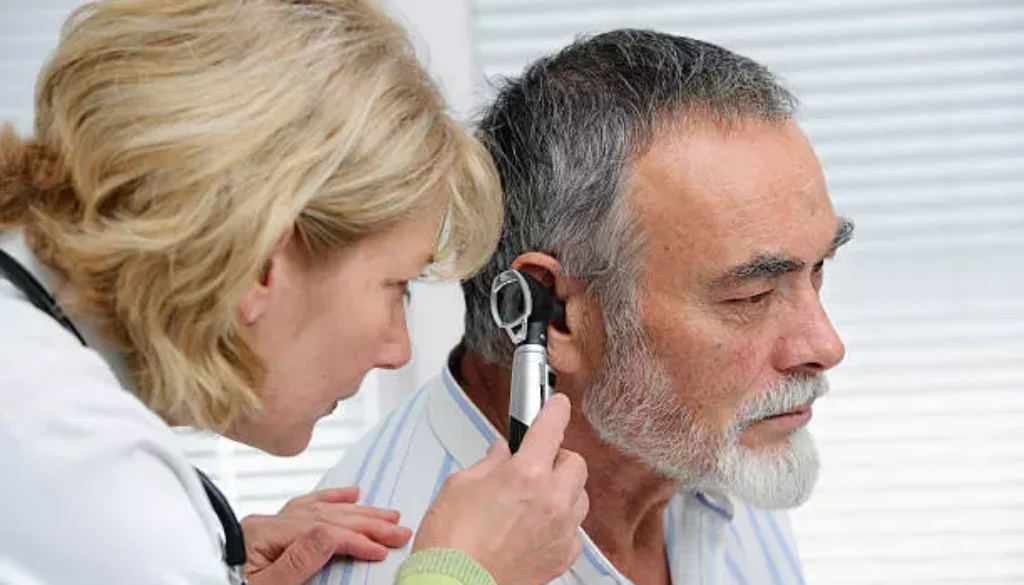
Hearing Assistance for Seniors
Complete Guide to Hearing Help for Seniors: Free Programs, Affordable Options, and What Really Works in 2026
Written & Reviewed by


Last updated:
Emergency Information – Get Help Now
If you experience sudden hearing loss, this is a medical emergency. Contact your doctor or go to the emergency room immediately.
Warning Signs That Need Immediate Medical Attention:
- Sudden hearing loss in one or both ears
- Severe ear pain with hearing changes
- Hearing loss after a head injury
- Discharge from the ear with hearing loss
- Dizziness or balance problems with hearing changes
Before You Apply for Any Program:
- Get a hearing test from a licensed professional first
- Don’t buy hearing aids online without knowing your specific type and degree of hearing loss
- Be aware that it can take 6-12 weeks to get approved for most assistance programs
- Keep copies of all applications and documents
Key Takeaways (Read This First!)
The Reality of Hearing Help for Seniors:
- 31.1% of seniors 65+ have hearing loss, rising to 40.3% for those 75+
- Original Medicare does NOT cover hearing aids (as of 2025)
- Average hearing aid cost: $2,372 per ear – but help is available
- 97% of Medicare Advantage plans now offer some hearing coverage
- Free and low-cost programs exist, but have strict requirements and waiting lists
Your Action Plan:
- Get professional hearing test first ($100-200, sometimes covered by insurance)
- Apply for multiple programs simultaneously – don’t wait
- Consider Medicare Advantage during open enrollment (Oct 15 – Dec 7)
- Budget 2-6 months for program approval process
- Have backup plan for immediate needs
The Hard Truth About Hearing Loss and Seniors
The Numbers Don’t Lie
Of people age 65 and older, 31.1% experience hearing loss, while 40.3% of adults age 75 and older experience hearing loss, according to the National Center for Health Statistics. Yet only 7.1% of adults age 45 and older have used a hearing aid, reports the CDC.
Why the huge gap? Cost is the biggest barrier. One survey found that 64% of people with the most serious hearing loss reported that they could not afford a hearing aid, and over 75% identified financial factors as a barrier.
What This Means for Your Daily Life
Untreated hearing loss doesn’t just affect your ears – it impacts your entire life:
- Social isolation: You stop going to family gatherings because you can’t follow conversations
- Safety risks: You might not hear smoke alarms, car horns, or someone calling for help
- Cognitive decline: Research links untreated hearing loss to faster mental decline and dementia risk
- Depression: Feeling left out and frustrated affects your mental health
The good news: Help exists, but you need to know where to look and how the system really works.
Medicare and Insurance: What Actually Covers Hearing Aids in 2026
Original Medicare (The Reality Check)
Medicare doesn’t cover hearing aids or exams for fitting hearing aids. You pay 100% of the cost for hearing aids and exams. This hasn’t changed since Medicare started in 1965.
What Medicare DOES Cover:
- Diagnostic hearing and balance exams if your doctor or health care provider orders them
- Cochlear implants when medically necessary
- Bone-anchored hearing aids (BAHA) in specific cases
The Political Reality: The Medicare Hearing Aid Coverage Act of 2025 was introduced in January, but similar bills have failed for years. Don’t wait for Congress – you need solutions now.
Medicare Advantage: Your Best Insurance Option
According to the health policy research group KFF, in 2025, 97% of Medicare Advantage plans offer some level of hearing coverage, such as hearing exams and hearing aids.
What to Expect from Medicare Advantage:
- Hearing exams: Usually one free exam per year
- Hearing aid allowance: Typically $500-$3,000 per year toward hearing aids
- Fitting services: May include follow-up appointments
- Brand restrictions: Often limited to specific providers or brands
Reality Check: Medicare Advantage hearing benefits vary dramatically by plan and location. Don’t assume all plans are equal.
Medicaid: State-by-State Lottery
The Challenge: Medicaid may offer some hearing aid coverage for adults. Guidelines vary by state, and some states don’t offer any Medicaid coverage for hearing services and devices, leaving some low-income seniors to pay out of pocket.
States with Better Coverage: Minnesota, New York, California, and Massachusetts typically offer more comprehensive hearing aid benefits.
States with Limited/No Coverage: Several Southern and Western states provide minimal or no adult hearing aid coverage through Medicaid.
Free and Low-Cost Hearing Aid Programs (The Complete List)
Federal Programs
Veterans Affairs (VA) – Best Coverage Available
Who Qualifies:
- Veterans enrolled in VA healthcare
- Service-connected hearing loss (higher priority)
- Veterans with general healthcare eligibility
What You Get:
- Free hearing aids and related supplies, fittings, and follow-up care from the Department of Veterans Affairs (VA)
- Latest hearing aid technology
- Batteries and repairs included
- Audiologist support
How to Apply:
- Online: VA.gov/health-care/apply/
- In person: Any VA Medical Center
- Phone: 1-877-222-VETS (8387)
Reality Check: Even veterans can face 2-6 month waits for appointments in some areas.
Vocational Rehabilitation Services
Who Qualifies:
- Working seniors who need hearing aids to keep or get a job
- Must demonstrate that hearing loss affects work performance
- Income limits vary by state
What You Get:
- Hearing aids necessary for work
- Sometimes includes advanced features for specific job requirements
- May cover workplace accommodations
How to Apply: Contact your state’s vocational rehabilitation office – search “vocational rehabilitation + [your state]”
Major Foundation Programs
Miracle-Ear Foundation – Widest Eligibility
Eligibility Requirements:
- Households at or below 200% of the federal poverty guidelines can apply. In 2024, this is $30,120 for an individual and $40,880 for a couple
- Must have exhausted other financing options
- $200 non-refundable application fee
What You Get:
- Two free Miracle-Ear hearing aids
- Three-year warranty
- Ongoing support and adjustments
- Replacement batteries
How to Apply: miracle-ear.com/miracle-ear-foundation or 800-241-1372
Reality Check: The $200 application fee is steep for low-income seniors, and approval rates aren’t published.
Starkey Hearing Foundation
Eligibility Requirements:
- In 2024, the household income limit to qualify is under $27,180 for an individual or under $36,620 for a two-person household
- $300 application fee required
- Must make appointment at Starkey Cares provider for evaluation
What You Get:
- Up to two hearing aids through “Neighbors in Need” program
- Basic follow-up care
How to Apply: Find Starkey Cares provider at starkeyhearingfoundation.org/Contact-Us or call 866-354-3254
Reality Check: Limited provider network means you might have to travel for service.
Help America Hear Foundation
Eligibility Requirements:
- Must make less than $36,000 per year to qualify
- Moderate hearing loss required
- Tiered application fees based on income
What You Get:
- New hearing aids for adults and children
- Basic fitting services
Processing Time: Review and approval take approximately two to three weeks
Lions Club International – Local Programs
The Challenge: Coverage varies dramatically by local chapter. Some provide full hearing aid funding, others offer partial assistance, and many don’t have hearing programs at all.
How to Find Help:
- Contact your local Lions Club chapter
- Ask specifically about hearing assistance programs
- Be prepared that many chapters may not offer this service
State-Specific Programs
New Jersey – Hearing Aid Assistance for the Aged and Disabled (HAAAD)
Eligibility (2026):
- Age 65 or older OR ages 18-64 receiving Social Security Disability
- Income no greater than $53,446 if single or $60,690 if married
Benefits:
- Up to $500 reimbursement for one hearing aid
- Up to $1,000 reimbursement for two hearing aids
- Can reapply in following year for second ear
How to Apply: nj.gov/humanservices/ddhh/services/hearingaid/haaad/
Other State Programs: Many states have similar programs – contact your State Department of Health or Area Agency on Aging.
The Best Hearing Aid Options for Seniors in 2025
Understanding Your Choices
Prescription vs. Over-the-Counter (OTC):
- Prescription: Require audiologist visit, customized programming, cost $1,000-$4,000 per ear
- OTC: Available without prescription for mild-moderate hearing loss, cost $99-$3,000 per pair
Reality Check: OTC hearing aids work well for many seniors with mild hearing loss, but severe hearing loss still requires prescription devices.
Top 7 Hearing Aid Recommendations for Seniors
1. Jabra Enhance Plus (OTC) – Best Overall Value
Price: $995 per pair | Where to Buy: enhance.jabra.com
Why Seniors Love It:
- 100-day trial period (longest in industry)
- Remote support from hearing professionals
- Excellent sound quality in lab tests
- Bluetooth streaming for phone calls and TV
Best For: Mild to moderate hearing loss, tech-comfortable seniors Limitations: Not suitable for severe hearing loss
2. Phonak Audéo Lumity (Prescription) – Best Advanced Technology
Price: $2,000-3,500 per ear | Where to Buy: Local audiologist
What Makes It Special:
- AI technology automatically adjusts to your environment
- Superior performance in noisy restaurants
- Rechargeable with 16+ hour battery life
- Proven track record with audiologists nationwide
Best For: Active seniors who want the latest technology Reality Check: High cost, but often worth it for severe hearing loss
3. Costco Kirkland Signature 10.0 – Best Budget Option
Price: $1,399 per pair | Where to Buy: Costco Hearing Centers
Why It’s Popular:
- Made by ReSound (major manufacturer)
- Full audiologist services at Costco
- Excellent warranty and support
- Significantly lower cost than traditional retail
Best For: Costco members looking for professional services at lower cost Catch: Must be Costco member, limited locations
4. Eargo 7 (OTC) – Most Discreet
Price: $2,950 per pair | Where to Buy: eargo.com
Unique Features:
- Nearly invisible when worn
- No ear canal blockage (stays comfortable)
- Professional remote support via telehealth
- Verbal placement cues
Best For: Seniors who prioritize discretion and comfort Limitations: Higher price point, mild-moderate loss only
5. MDHearing NEO XS – Best Ultra-Budget
Price: $297 per pair | Where to Buy: mdhearingaid.com
What You Get:
- FDA-registered OTC hearing aids
- 45-day trial period
- Basic but effective amplification
- Audiologist support via phone/online
Best For: Seniors on very tight budgets needing basic help Reality Check: Limited features, but legitimate option for mild hearing loss
6. Sony CRE-C10 (OTC) – Best Brand Recognition
Price: $999 per pair | Where to Buy: Best Buy, Amazon, sony.com
Why Seniors Choose Sony:
- Trusted brand name
- Available at major retailers
- Prescription-quality features
- Rechargeable convenience
Best For: Seniors who want familiar brand with retail support Considerations: Limited customization compared to prescription aids
7. Signia Pure Charge&Go BCT IX – Best Battery Life
Price: $2,500-4,000 per ear | Where to Buy: Local audiologist
Standout Features:
- 36-hour battery life (longest available)
- Smallest Bluetooth hearing aid on market
- Own Voice Processing reduces echo effect
- Advanced noise reduction
Best For: Seniors who forget to charge devices regularly Investment Level: High-end pricing for premium features
Comparison Table: Key Features for Seniors
| Brand/Model | Price Range | Trial Period | Best For | Battery Life | Severity Level |
|---|---|---|---|---|---|
| Jabra Enhance Plus | $995/pair | 100 days | First-time users | 13 hours | Mild-Moderate |
| Phonak Audéo Lumity | $2,000-3,500/ear | 30-60 days | Tech lovers | 16+ hours | All levels |
| Costco Kirkland 10.0 | $1,399/pair | 180 days | Budget-conscious | 14 hours | All levels |
| Eargo 7 | $2,950/pair | 45 days | Discretion priority | 16 hours | Mild-Moderate |
| MDHearing NEO XS | $297/pair | 45 days | Ultra-budget | 12 hours | Mild |
| Sony CRE-C10 | $999/pair | 60 days | Brand trust | 28 hours | Mild-Moderate |
| Signia Pure BCT IX | $2,500-4,000/ear | 30 days | Battery anxiety | 36 hours | All levels |
Over-the-Counter vs. Prescription: Decision Guide
| Choose OTC If: | Choose Prescription If: |
|---|---|
| Mild to moderate hearing loss | Severe or profound hearing loss |
| Want to try before big investment | Need custom programming |
| Comfortable with basic technology | Want advanced features |
| Budget under $3,000 | Insurance covers costs |
| Don’t want audiologist visits | Want professional ongoing support |
State-by-State Hearing Aid Coverage (2026)
| State | Medicaid Coverage | State Programs | Special Notes |
|---|---|---|---|
| California | Limited adult coverage | DHCS programs available | Better coverage for children |
| Florida | No adult coverage | Local Area Agency on Aging | Check county programs |
| New York | Some coverage available | NYS OMRDD programs | Varies by county |
| Texas | Limited coverage | Local Lions Clubs active | Large state, uneven coverage |
| New Jersey | HAAAD program | Up to $1,000 reimbursement | Best state program nationally |
| Illinois | Minimal coverage | Check local nonprofits | Chicago has more resources |
| Pennsylvania | Limited adult benefits | MATP transportation help | Rural areas underserved |
To Find Your State’s Programs:
- Contact your State Department of Health
- Call your Area Agency on Aging: eldercare.acl.gov
- Search “[your state] hearing aid assistance programs”
How to Apply: Step-by-Step Process
Before You Start
Get Professional Evaluation First:
- Visit audiologist or ENT doctor
- Get complete hearing test ($100-200)
- Ask for written report showing type and degree of hearing loss
- Rule out medical causes (ear wax, infection)
Gather Required Documents:
- Social Security card and Medicare card
- Proof of income (Social Security statement, tax return)
- Bank statements from last 3 months
- Insurance cards (all coverage)
- Medical records related to hearing loss
Application Strategy (Apply to Multiple Programs)
Month 1: Start Applications
- VA Benefits (if veteran) – longest wait times
- Medicaid (if income-qualified) – state dependent
- Medicare Advantage (during open enrollment only)
Month 2: Foundation Applications
- Miracle-Ear Foundation – $200 fee required
- Starkey Foundation – $300 fee required
- Local Lions Clubs – varies by chapter
Month 3: State and Local Programs
- State hearing aid programs – varies by state
- Area Agency on Aging – local resources
- Vocational rehabilitation (if working)
Month 4+: Follow Up and Appeals
- Call every program monthly for status updates
- Be prepared to provide additional documentation
- Appeal denials if you meet requirements
Common Application Mistakes
- Applying to only one program – Apply to several simultaneously
- Not getting professional evaluation first – Required for most programs
- Incomplete income documentation – Include ALL income sources
- Missing deadlines – Some programs have annual application periods
- Not following up – Squeaky wheel gets attention
What to Expect: Timeline and Reality Checks
Realistic Timelines for Getting Help
VA Benefits: 2-6 months from application to hearing aids Medicaid: 1-3 months (varies dramatically by state) Foundation Programs: 2-4 months if approved State Programs: 1-6 months depending on funding Medicare Advantage: Available during next enrollment period
Why the Process Takes So Long
Limited Funding: Most programs have more applicants than money Documentation Requirements: Agencies need to verify eligibility carefully
Provider Networks: Limited number of participating audiologists Bureaucracy: Government and nonprofit programs move slowly
Warning Signs of Hearing Aid Scams
Red Flags to Avoid:
- Door-to-door hearing aid sales
- “Free hearing aids” that require upfront payments
- High-pressure sales tactics
- Claims that Medicare covers hearing aids when it doesn’t
- Ads claiming “invisible” or “miracle” cures
Protect Yourself:
- Only work with licensed audiologists
- Get everything in writing
- Verify Medicare/insurance claims independently
- Check Better Business Bureau ratings
Frequently Asked Questions
Q: I can’t afford a hearing aid right now. What can I help my hearing immediately? A: Several free options can help while you wait for program approval: Use smartphone hearing apps, sit closer to speakers in meetings, ask people to face you when talking, and reduce background noise when possible. Some libraries loan assistive listening devices. However, these are temporary solutions – professional hearing aids provide much better results. Always consult your healthcare provider about hearing concerns.
Q: Does Medicare cover any hearing-related services? A: Original Medicare covers diagnostic hearing exams when ordered by your doctor, and some Medicare Advantage plans offer hearing aid benefits. Medicare also covers cochlear implants when medically necessary. However, standard hearing aids are not covered by Original Medicare as of 2025. Check with your specific Medicare plan for current coverage details.
Q: How long do hearing aids last and what happens when they break? A: Most hearing aids last 5-7 years with proper care. Warranty coverage varies: some programs include 1-3 years of repairs, while others don’t cover maintenance costs. Ask about warranty and repair policies before getting hearing aids from any program. Consult your hearing aid provider about maintenance and replacement options.
Q: Can I get help if my income is slightly over the program limits? A: Some programs have flexibility, especially if you have high medical expenses. Others are strict about income limits. Consider over-the-counter hearing aids or payment plans with audiologists. Some employers offer hearing aid benefits through flexible spending accounts. Contact program administrators to discuss your specific situation.
Q: I’m on Medicare Advantage – what hearing benefits do I actually have? A: Coverage varies dramatically by plan. Call your plan directly and ask specifically about: annual hearing exam coverage, hearing aid allowance amount, participating providers, and brand restrictions. 97% of Medicare Advantage plans offer some hearing coverage, but benefits range from basic exams to $3,000+ allowances. Review your plan documents and call member services for specific details.
Q: What’s the difference between hearing aids from a program vs. buying retail? A: Free program hearing aids are often basic models, while retail offers newest technology. However, basic hearing aids can still provide significant benefit. Program aids may have limited style choices and longer wait times for adjustments. Weigh the cost savings against features that matter most to your lifestyle.
Q: I have mild hearing loss – do I need prescription hearing aids or can I use over-the-counter? A: For mild to moderate hearing loss, OTC hearing aids can be very effective and much more affordable. Start with a professional hearing test to confirm your level of loss, then consider OTC options from reputable brands. Many offer trial periods so you can test effectiveness. A hearing professional can help determine if OTC aids are appropriate for your specific hearing loss pattern.
Q: How do I know if a hearing aid program is legitimate? A: Legitimate programs never ask for payment upfront (except disclosed application fees), provide written information about services, and are associated with established organizations. Check with the Better Business Bureau, verify the organization’s nonprofit status, and be wary of high-pressure sales tactics or promises that sound too good to be true. When in doubt, consult with a licensed audiologist or your doctor.
Additional Resources
National Organizations
- Hearing Loss Association of America (HLAA): hearingloss.org – Comprehensive resource directory and support
- National Institute on Deafness and Other Communication Disorders: nidcd.nih.gov – Medical information and research updates
- American Speech-Language-Hearing Association: asha.org – Find certified audiologists
Financial Assistance Directories
- BenefitsCheckUp by NCOA: benefitscheckup.org – Comprehensive benefits screening
- Hearing Industries Association Financial Guide: Search online for current resources
- State Insurance Commissioner offices – File complaints about insurance coverage
Medicare Resources
- Medicare.gov: Official information about coverage
- State Health Insurance Assistance Programs (SHIP): Free Medicare counseling – shiphelp.org
- Medicare Rights Center: medicarerights.org – Advocacy and assistance
Technology Resources
- AARP Hearing Solutions: Discounts for members
- Consumer Reports Hearing Aid Ratings: Unbiased product testing (subscription required)
- Hearing Tracker: hearingtracker.com – Professional reviews and pricing information
Conclusion: Your Next Steps
Hearing loss affects millions of seniors, but help is available if you know where to look and how to navigate the system. While the process can be frustrating and time-consuming, don’t give up – your quality of life depends on addressing hearing loss.
Your Action Plan:
- Get a professional hearing test within the next month
- Apply to multiple programs simultaneously – don’t wait
- Consider Medicare Advantage during the next enrollment period
- Research OTC options as backup while waiting for program approval
- Build a support network of family and friends during the process
Remember:
- The application process typically takes 2-6 months
- Apply to several programs at once to improve your chances
- Don’t let anyone pressure you into buying expensive hearing aids immediately
- Even basic hearing aids can dramatically improve your quality of life
Most Important: Untreated hearing loss leads to social isolation, depression, and cognitive decline. Getting help – even if it takes time and effort – is one of the best investments you can make in your future health and happiness.
The system isn’t perfect, but with persistence and the right information, you can find hearing assistance that fits your needs and budget. Start today – your future self will thank you.
Disclaimer
This information is for educational purposes only and is not intended to replace professional medical advice. Hearing loss treatment recommendations may not be suitable for everyone. Program details, eligibility requirements, and benefits can change frequently and vary by location and funding availability. Application processing times, costs, and approval rates are estimates based on available information and can vary significantly. Always verify current program details directly with the administering agency before applying. Medicare coverage rules and benefits change annually – confirm current coverage with Medicare.gov or your plan directly. The hearing aid recommendations and reviews are based on general features and expert testing, but individual needs and experiences may vary. Always consult with a licensed audiologist or healthcare provider before making decisions about hearing aids or treatment. If you experience sudden hearing loss, seek immediate medical attention. Product availability, pricing, and features mentioned are subject to change by manufacturers.
Sources and Medical References:
- U.S. Centers for Disease Control and Prevention – Hearing Loss Statistics and Data
- National Institute on Deafness and Other Communication Disorders – Quick Statistics About Hearing
- Medicare.gov – Official Coverage Information
- National Council on Aging – Financial Assistance Research
- Hearing Loss Association of America – Program Directory
- Consumer Reports – Hearing Aid Brand Testing and Reviews
- American Speech-Language-Hearing Association – Professional Standards
About the Authors