
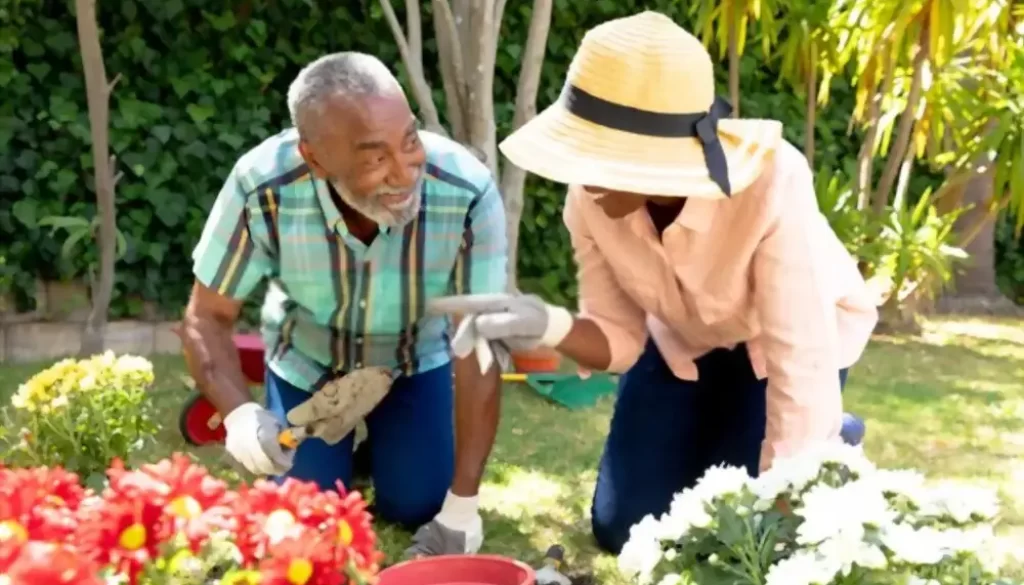
How to Stay Socially Active – Tips for Seniors
Complete Guide to Staying Socially Active for Seniors: Programs, Resources, and Real Solutions for 2025
Written & Reviewed by


Last updated: August 2025
If You Need Emergency Help
If you’re experiencing immediate crisis or contemplating suicide, please contact:
- National Suicide Prevention Lifeline: 988 (24/7)
- Veterans Crisis Line: 988, Press 1 or text 838255
- LGBTQ+ Crisis Support: 1-866-488-7386 (The Trevor Project)
- Elder Abuse Hotline: 1-800-677-1116 (National Adult Protective Services)
For urgent social isolation concerns: Contact your local Area Agency on Aging at 1-800-677-1116 for immediate connection to local resources.
Key Takeaways
- Social isolation affects 24% of seniors aged 65+, with health risks equivalent to smoking 15 cigarettes daily
- Over 11,000 senior centers nationwide serve more than 1 million older adults daily with free programming
- Transportation barriers affect 67.6% of rural seniors, but federal programs provide solutions
- Veterans qualify for specialized social programs including Aid and Attendance benefits up to $2,266/month
- LGBTQ+ seniors face unique challenges but specialized organizations like SAGE provide targeted support
- Technology can bridge social gaps through virtual programming and online communities
Understanding Social Isolation Among Seniors: The Current Reality
Social isolation among seniors has reached crisis levels. According to the World Health Organization’s 2025 Commission on Social Connection, around 16% of people worldwide – one in six – experiencing loneliness. While the latest estimates suggest that loneliness is most common among adolescents and younger people, people of all ages experience loneliness – including older people, with around 11.8% experiencing loneliness.
The National Academy of Sciences reports that approximately one-quarter (24 percent) of community-dwelling Americans aged 65 and older are considered to be socially isolated, and a significant proportion of adults in the United States report feeling lonely (35 percent of adults aged 45 and older and 43 percent of adults aged 60 and older).
The Health Impact: More Serious Than You Think
Social isolation isn’t just about feeling lonely—it’s a legitimate health emergency. Research shows that social isolation has been associated with a significantly increased risk of premature mortality from all causes; Social isolation has been associated with an approximately 50 percent increased risk of developing dementia; Loneliness among heart failure patients has been associated with a nearly four times increased risk of death, 68 percent increased risk of hospitalization, and 57 percent increased risk of emergency department visits; and Poor social relationships (characterized by social isolation or loneliness) have been associated with a 29 percent increased risk of incident coronary heart disease and a 32 percent increased risk of stroke.
Who’s Most at Risk?
According to the University of Michigan’s National Poll on Healthy Aging, feeling isolated from others some of the time or often in the past year was more common for those who reported fair or poor mental health (77% vs. 29% of those reporting excellent, very good, or good mental health), fair or poor physical health (55% vs. 29% of those reporting better physical health), and those with a health problem or disability that limits daily activities (51% vs. 26% of those without such limitations).
Senior Centers: Your Gateway to Community Connection
Senior centers represent the backbone of social engagement for older adults. The National Council on Aging reports that today, more than 11,000 senior centers serve more than 1 million older adults every day in their communities and neighborhoods. These aren’t your grandmother’s “old folks’ homes”—modern senior centers are dynamic community hubs offering everything from fitness classes to technology training.
What Senior Centers Actually Offer
| Program Category | Services Available | Average Cost |
|---|---|---|
| Fitness Programs | Aerobics, tai chi, yoga, strength training, walking groups, chair exercises | Free to $10/class |
| Health Services | Health screenings, diabetes education, fall prevention, nutrition classes | Free to $25/session |
| Educational Programs | Computer classes, language learning, creative writing, book clubs | Free to $15/class |
| Social Activities | Day trips, cultural events, birthday celebrations, game tournaments | $5-50 per activity |
| Nutrition Services | Congregate meals, suggested contribution $2.50 for 60+ | Suggested donation |
The National Institute of Senior Centers found that seventy-five percent of participants visit their center 1 to 3 times per week and spend an average of 3.3 hours per visit.
Finding Your Local Senior Center
Reality Check: Not all senior centers are created equal. Urban centers typically offer more diverse programming, while rural centers may have limited hours or services. However, federal funding through the Older Americans Act ensures basic services are available nationwide.
To locate senior centers near you:
- Eldercare Locator: Call 1-800-677-1116 or visit eldercare.acl.gov
- Area Agency on Aging: Your local AAA coordinates senior services in your region
- State Aging Departments: Each state maintains directories of senior centers
- 211 Information Service: Dial 211 for comprehensive local resource information
Transportation to Senior Centers
Transportation remains the biggest barrier to senior center participation. According to America’s Health Rankings, many seniors face transportation challenges, but solutions exist:
| Transportation Option | Availability | Typical Cost |
|---|---|---|
| Senior Center Shuttles | Available at 60% of centers | Free to $2 per ride |
| Public Transit | 75% of metro areas, 33% of rural areas | $1-3 per ride (senior discounts) |
| Volunteer Driver Programs | 80% of rural areas through OAA funding | Donation requested |
| Rideshare Programs | Growing availability | $5-15 per ride |
Physical Activity Programs: Staying Active Together
Regular physical activity becomes more challenging with age, but group activities make it enjoyable and sustainable. The CDC’s Physical Activity Guidelines recommend that seniors get at least 150 minutes of moderate activity weekly, and group programs help achieve this goal.
Evidence-Based Programs That Work
| Program Type | Description | Proven Benefits | Where to Find |
|---|---|---|---|
| SilverSneakers | Fitness program for Medicare beneficiaries | Improved strength, balance, social connection | Medicare Advantage plans, fitness centers |
| Tai Chi for Arthritis | Gentle movements for joint health | 40% reduction in falls, improved mood | Senior centers, community centers |
| Matter of Balance | Fall prevention program | 50% reduction in fear of falling | Area Agencies on Aging |
| YMCA Senior Programs | Water aerobics, strength training | Cardiovascular health, social interaction | YMCA locations nationwide |
Warning: Always consult your healthcare provider before starting new exercise programs. Some conditions require modified activities or medical supervision.
Volunteer Opportunities: Giving Back While Staying Connected
Volunteering provides purpose and social connection. The Senior Corps offers structured volunteer programs specifically for seniors:
Major Volunteer Programs for Seniors
- AARP Foundation: Tax assistance, driver safety programs
- Foster Grandparent Program: Mentoring children in schools and community centers
- Senior Companion Program: Providing friendship to homebound seniors
- RSVP (Retired and Senior Volunteer Program): Flexible volunteer opportunities
Reality Check: Volunteer programs often have waiting lists in popular areas. Apply early and consider multiple programs. Some require background checks and training commitments.
Technology Solutions: Bridging Distance and Disability
The COVID-19 pandemic accelerated senior adoption of technology for social connection. Modern solutions include:
Virtual Social Programs
| Platform/Program | Purpose | Cost | Tech Requirements |
|---|---|---|---|
| Zoom Senior Hours | Virtual coffee chats, classes | Free | Internet, smartphone/computer |
| Senior Planet Connect | Online community for 50+ | Free | Internet access |
| GetSetUp Classes | Live learning for seniors | $99/year | Internet, device with camera |
| Faith-based Virtual Services | Religious community connection | Free | Internet access |
Digital Literacy Support
Many seniors feel intimidated by technology. Resources for learning include:
- Senior Planet Centers: Free tech training nationwide
- AARP TEK Workshops: Technology education and support
- Local Library Programs: Computer and internet training
- Cyber-Seniors: One-on-one tech mentoring
Transportation Solutions: Overcoming the Biggest Barrier
Transportation challenges affect 67.6% of rural seniors, according to recent research. However, multiple programs address this need:
Federal Transportation Programs
The Federal Transit Administration’s Section 5310 program aims to improve mobility for older adults and people with disabilities by removing barriers to transportation service and expanding transportation mobility options. This program funds:
- Door-to-door paratransit services
- Volunteer driver programs
- Wheelchair-accessible vehicles
- Transportation voucher programs
Innovative Transportation Solutions
| Solution Type | Description | Availability | Cost Range |
|---|---|---|---|
| Medical Transport | Non-emergency medical transportation | Required by Medicaid | Free to $25 per ride |
| Grocery Shuttles | Scheduled trips to shopping centers | Growing in suburban areas | $2-5 per trip |
| Faith-based Transport | Church and religious organization shuttles | Available through religious communities | Free to donation |
| Neighbor Networks | Community-organized ride sharing | Informal, varies by area | Gas money or small fee |
Specialized Resources for Diverse Senior Communities
LGBTQ+ Seniors: Overcoming Unique Challenges
LGBTQ+ seniors face specific barriers to social engagement. SAGE (Services & Advocacy for LGBTQ+ Elders) reports that LGBTQ+ older adults are twice as likely as their straight counterparts to be single and living alone, often without any children.
LGBTQ+ Specific Resources
- SAGE Centers: Four LGBTQ+-friendly senior centers in NYC plus services in South Florida
- National Resource Center on LGBTQ+ Aging: lgbtagingcenter.org
- LGBTQ+ Senior Housing: Growing network of welcoming housing developments
- SAGECare Training: Program helping long-term care facilities become LGBTQ+ friendly
Finding LGBTQ+ Friendly Services: Visit Centerlink’s directory to find LGBTQ+ centers nationwide. Not all areas have specific LGBTQ+ senior programs, but many mainstream senior centers are working to become more inclusive.
Veteran Seniors: Accessing Earned Benefits
With over 18.2 million veterans aged 65 or older, specialized programs serve this population:
VA Social Programs
| Program | Benefit | Eligibility | Monthly Amount (2025) |
|---|---|---|---|
| Aid & Attendance | Additional pension for daily care needs | Wartime veterans 65+ needing care assistance | Up to $2,266 for married veterans |
| Adult Day Health Care | Social activities and supervision | Enrolled in VA healthcare | Varies by location |
| Respite Care | Temporary caregiver relief | VA healthcare eligible | Up to 30 days annually |
| Community Transportation | Rides to VA appointments | VA healthcare eligible | Free |
Application Process: Contact your local VA Regional Office or call 1-800-827-1000. Veterans Service Organizations like American Legion provide free assistance with applications.
Disabled Seniors: Accessible Social Opportunities
The Administration for Community Living coordinates services for seniors with disabilities through:
- Aging and Disability Resource Centers (ADRCs): Single points of entry for services
- Centers for Independent Living: Tools and resources for community integration
- Assistive Technology Programs: Device loans and training
Accessibility Features to Look For
When choosing social programs, disabled seniors should ensure:
- Physical accessibility: Ramps, accessible bathrooms, designated parking
- Communication supports: Sign language interpreters, large print materials
- Transportation accommodations: Wheelchair-accessible vehicles
- Program modifications: Adapted activities for different ability levels
Rural Seniors: Overcoming Geographic Isolation
Rural seniors face unique challenges, with only 33% of rural areas having public transportation compared to 75% of metropolitan areas.
Rural-Specific Solutions
- Mobile Senior Centers: Bring services to remote areas
- Telehealth Social Programs: Virtual participation in urban programs
- Community Health Workers: Local liaisons for health and social services
- Faith-based Networks: Churches often serve as community centers in rural areas
Tribal Seniors: Culturally Responsive Programs
The Administration for Community Living’s Title VI program serves Native American, Alaska Native, and Native Hawaiian elders through:
- 254 Tribal organizations receiving federal funding for elder services
- Cultural preservation programs that maintain traditions while providing social connection
- Traditional food programs that combine nutrition with cultural identity
- Intergenerational activities that connect elders with younger tribal members
Finding Tribal Elder Services
Use the National Resource Center on Native American Aging’s service locator to find programs in your area. The National Indian Council on Aging also provides advocacy and resources.
Creating Your Personal Social Engagement Plan
Step 1: Assess Your Current Situation
Use this simple self-assessment:
- How many meaningful conversations do you have per week?
- When did you last participate in a group activity?
- Do you have reliable transportation to social activities?
- What are your biggest barriers to social engagement?
Step 2: Set Realistic Goals
Start small and build gradually:
- Week 1-2: Attend one senior center activity
- Week 3-4: Add a second weekly social activity
- Month 2: Try a new type of program (exercise, learning, volunteering)
- Month 3: Build regular weekly routine
Step 3: Address Barriers Systematically
| Common Barrier | Practical Solutions |
|---|---|
| Transportation | Contact local AAA for volunteer drivers, explore rideshare options, ask about center transportation |
| Financial constraints | Look for free programs, ask about sliding scale fees, inquire about scholarships |
| Health limitations | Seek adapted programs, start with seated activities, consult healthcare provider |
| Social anxiety | Begin with small groups, bring a friend, consider one-on-one activities first |
Step 4: Monitor and Adjust
Track your social activities weekly and note:
- Which activities you enjoyed most
- Energy levels before and after social engagement
- Any improvements in mood or health
- Barriers that continue to challenge you
Technology Resources for Social Connection
Getting Started with Technology
Many seniors feel overwhelmed by technology, but modern solutions are increasingly user-friendly:
Senior-Friendly Devices and Services
| Technology | Purpose | Cost | Learning Resources |
|---|---|---|---|
| GrandPad Tablet | Simplified tablet for seniors | $79/month | Built-in support and training |
| Jitterbug Smart3 | Easy-to-use smartphone | $149 + monthly service | GreatCall customer support |
| Facebook Portal | Video calling device | $179-299 | Facebook support |
| Amazon Echo Show | Voice-controlled video calls | $85-250 | Amazon customer support |
Free Online Social Programs
- Senior Planet Community: Online classes, discussion groups, and social events
- GetSetUp: Live, interactive classes for seniors on various topics
- Zoom Coffee Hours: Many communities organize informal virtual gatherings
- Virtual Museum Tours: Free cultural experiences from home
Financial Assistance for Social Activities
Free and Low-Cost Program Options
Most senior social programs are designed to be affordable:
| Program Type | Typical Cost | Financial Assistance Available |
|---|---|---|
| Senior Center Membership | Free to $25/year | Fee waivers for low income |
| Exercise Classes | $5-15/class | Senior discounts, sliding scale |
| Transportation | $1-5/ride | Free through volunteer programs |
| Educational Programs | Free to $25/class | Many completely free |
Funding Sources for Social Activities
- Area Agency on Aging: May provide vouchers for activities
- United Way: Local chapters often fund senior programs
- Community Foundations: Grants for senior participation
- Faith-based Organizations: Free or low-cost social programs
Special Considerations and Warnings
Health and Safety Concerns
Before starting any new social program:
- Consult your healthcare provider about activity levels
- Inform program staff of any health conditions or limitations
- Ensure emergency contact information is on file
- Understand the program’s safety protocols
Avoiding Social Isolation Scams
Scammers often target socially isolated seniors:
Warning Signs:
- Requests for money upfront for “exclusive” social programs
- Promises of unrealistic benefits or outcomes
- Pressure to make immediate decisions
- Requests for personal financial information
Always verify programs through:
- Local Area Agency on Aging
- Better Business Bureau
- State licensing boards
- Referrals from trusted healthcare providers
Managing Expectations
Reality Checks:
- Not every program will be perfect: It may take several attempts to find the right fit
- Social connections take time: Don’t expect instant friendships
- Some days will be harder than others: Having low-energy days is normal
- Transportation will remain challenging: Plan for backup options
Emergency Resources and Crisis Support
When Social Isolation Becomes Critical
If you or someone you know shows signs of severe depression, withdrawal, or thoughts of self-harm:
Immediate Resources:
- National Suicide Prevention Lifeline: 988
- Crisis Text Line: Text HOME to 741741
- National Elder Abuse Hotline: 1-800-677-1116
Professional Support Services
- Geriatric Care Managers: Help coordinate services and social opportunities
- Mental Health Counselors: Specialize in senior depression and isolation
- Social Workers: Navigate complex service systems
- Visiting Nurses: Provide health monitoring and social contact
Regional Resources by State
Finding Local Programs
Every state has an aging network, but services vary significantly:
High-Resource States
California, New York, Florida, Texas: Extensive senior center networks, multiple transportation options, diverse programming
Rural States
Montana, Wyoming, Vermont: Fewer centers but strong volunteer networks, creative solutions like mobile services
Growing Programs
Arizona, North Carolina, Colorado: Rapidly expanding services due to growing senior populations
Contacting Your State Aging Network
Find your state’s aging resources:
- Visit eldercare.acl.gov
- Call 1-800-677-1116 (Eldercare Locator)
- Search “[Your State] Department of Aging”
- Contact your local Area Agency on Aging
Frequently Asked Questions (FAQs)
Q: I’m 75 and have never used a computer. Is it too late to start with online social programs?
A: Absolutely not. Many senior centers offer basic computer classes, and programs like Senior Planet are specifically designed for beginners. Start with in-person classes to build confidence, then gradually try virtual programs. GrandPad tablets are designed specifically for seniors with no tech experience.
Q: I can’t drive anymore and live in a rural area. What are my transportation options?
A: Contact your local Area Agency on Aging at 1-800-677-1116 to ask about volunteer driver programs. Many rural areas have faith-based transportation networks. Some senior centers provide door-to-door transportation. Medical transportation through Medicaid may also cover some social activities if they’re health-related.
Q: I’m on a fixed income. Can I still afford social activities?
A: Yes. Most senior centers are free or very low-cost. Many programs offer sliding scale fees or scholarships. The Older Americans Act ensures basic services are available regardless of income. Look for free programs at libraries, faith organizations, and community centers.
Q: I have mobility limitations. Will I be able to participate in senior center activities?
A: Senior centers are required to be accessible under the Americans with Disabilities Act. Most offer adapted activities like chair exercises, seated crafts, and accessible transportation. Call ahead to discuss your specific needs—staff are trained to accommodate various limitations.
Q: I’m a gay man and worry about acceptance at senior centers. Are there LGBTQ+-friendly options?
A: Yes. Visit lgbtagingcenter.org to find LGBTQ+-friendly programs. SAGE operates centers in NYC and South Florida specifically for LGBTQ+ seniors. Many mainstream senior centers are working to become more inclusive. Ask about their non-discrimination policies when calling.
Q: I’m a veteran. Are there special programs just for veterans?
A: Yes. The VA offers Adult Day Health Care, social programs at VA medical centers, and community-based programs. Veterans Service Organizations like American Legion and VFW have social activities. Contact your local VA at 1-800-827-1000 to learn about programs in your area.
Q: My spouse has dementia. Are there programs for both of us?
A: Yes. Many senior centers offer respite care and couples programs where the healthy spouse can participate while the spouse with dementia receives specialized care. Adult Day Health Care programs often accommodate couples. Contact your local Alzheimer’s Association chapter for specialized resources.
Q: I live in a very small town with no senior center. What are my options?
A: Contact your Area Agency on Aging about mobile programs that visit small communities. Look into faith-based organizations, volunteer fire departments, and community centers that may offer informal senior programming. Consider starting a small group yourself—many communities will support grassroots senior initiatives.
Q: I’m concerned about COVID exposure. Are there still safe ways to be social?
A: Yes. Many programs offer both in-person and virtual options. Outdoor activities are generally safer. Small group activities pose less risk than large gatherings. Ask about programs’ safety protocols, vaccination requirements, and whether they offer alternatives for immunocompromised participants.
Q: How do I know if a program is legitimate and not a scam?
A: Verify programs through your local Area Agency on Aging (1-800-677-1116), check with the Better Business Bureau, and never pay money upfront for social programs. Legitimate senior programs are typically free or very low-cost. Be wary of high-pressure sales tactics or promises that seem too good to be true.
Resources
National Organizations
- Administration for Community Living: acl.gov – Federal aging resources
- National Council on Aging: ncoa.org – Benefits and programs
- AARP: aarp.org – General senior resources
- Eldercare Locator: eldercare.acl.gov or 1-800-677-1116
Transportation Resources
- National Aging and Disability Transportation Center: nadtc.org
- Rides in Sight: Database of transportation programs for seniors
Technology Support
- Senior Planet: seniorplanet.org – Free tech training and social programs
- AARP TEK: Technology education workshops
Specialized Communities
- SAGE (LGBTQ+ Seniors): sageusa.org
- National Resource Center on LGBTQ+ Aging: lgbtagingcenter.org
- National Indian Council on Aging: nicoa.org
- Veterans Crisis Line: veteranscrisisline.net
Health and Safety
- National Institute on Aging: nia.nih.gov
- CDC Healthy Aging: cdc.gov/aging
- Suicide Prevention Lifeline: 988
About This Guide
About This Guide
Researched and Compiled by Grants for Seniors
This guide has been carefully researched using publicly available government resources and official program websites. We systematically reviewed federal and state program information to create comprehensive, accurate guidance for older Americans seeking social engagement opportunities.
Our Sources: All information comes from official sources including federal agency websites (ACL, VA, HHS, CDC), state government departments, official program documentation, and verified nonprofit organization resources.
Verification Process: Each program listing underwent thorough online verification by cross-referencing information across multiple official sources, checking current program status, verifying contact information, and confirming eligibility requirements and availability.
Information Currency:
- Last Updated: August 2025
- Sources Verified: August 2025
- Next Review: February 2026
Important Note: Government programs can change without advance notice. While this guide uses the most current available information, we strongly recommend verifying all details directly with program administrators before participating.
Found an Error? If you discover outdated information or additional programs that should be included, please contact us at info@grantsforseniors.org.
Disclaimer: This guide is for informational purposes only and does not constitute professional advice. Always confirm program details with official sources before applying or participating. Program availability, eligibility requirements, and costs may vary by location and can change without notice. While we strive for accuracy, we cannot guarantee the completeness or currency of all information. Always consult with healthcare providers before beginning new physical activities or making significant lifestyle changes.
This resource is independently researched to help seniors access available social engagement programs and combat isolation.
About the Authors