
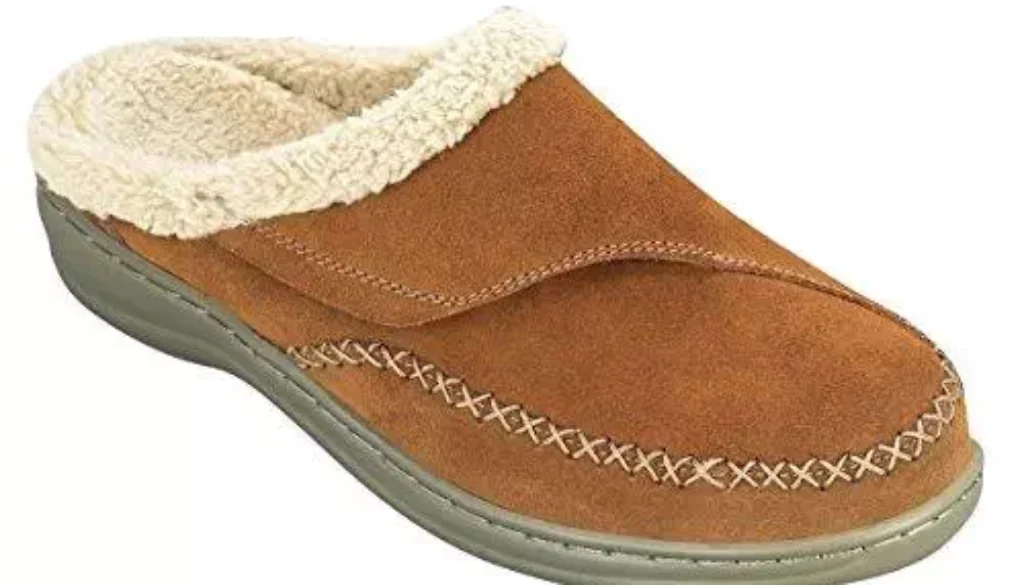
Non-Slip Slippers for Seniors
Non-Slip Slippers for Seniors: Complete 2025 Safety and Comfort Guide
Emergency Section – When Your Feet Need Immediate Help
Written & Reviewed by


Call 911 or seek emergency medical care immediately if you experience:
- Sudden severe pain, swelling, or inability to bear weight after a fall
- Open wounds, cuts, or bleeding that won’t stop
- Signs of broken bones (deformity, severe pain, inability to move)
- Chest pain, head injury, or loss of consciousness after falling
- Signs of stroke: sudden weakness, confusion, trouble speaking, or severe headache
For non-emergency foot problems requiring same-day attention:
- Deep cuts or puncture wounds
- Signs of infection (fever, red streaks, pus, warmth)
- Severe swelling that doesn’t improve with elevation
- Sudden changes in sensation or color in feet
While waiting for help:
- Don’t move if you suspect a fracture
- Elevate injured foot above heart level if possible
- Apply clean cloth to bleeding wounds
- Remove tight footwear if feet are swelling
Key Takeaways
✅ Falls at home kill 38,000+ seniors yearly – proper footwear is critical for safety (CDC, 2025)
✅ Research shows 51.9% of home falls happen while barefoot, in socks, or wearing slippers – but the right slippers can prevent injuries
✅ Medicare generally DOES NOT cover slippers – even for diabetics, unless they’re part of therapeutic footwear with documented medical need
✅ Key safety features: Non-slip soles, adjustable closures, proper fit, and back support – not just “comfortable”
✅ Replace slippers every 6-12 months – worn soles dramatically increase fall risk
The Shocking Truth About Falls and Slippers
Every year, over 14 million seniors (1 in 4) fall, with falls being the leading cause of injury death for adults 65 and older, causing over 38,000 deaths in 2021. What many families don’t realize is that research from Harvard Medical School found that 51.9% of people were barefoot, wearing socks without shoes, or wearing slippers at the time of their in-home falls.
Even more concerning: seniors who fell while shoeless or wearing slippers had an adjusted odds ratio of 2.27 for serious injury compared to those wearing proper shoes. This means you’re more than twice as likely to be seriously injured if you fall while wearing typical slippers.
Why This Matters for Your Family
- Nearly 3 million emergency department visits yearly due to senior falls
- About 1 million fall-related hospitalizations annually
- Treatment costs projected to exceed $101 billion by 2030
- One-fourth of seniors who fracture a hip from a fall will die within six months
What Medicare and Insurance Actually Cover
Let’s be honest about slipper coverage – most seniors will pay out-of-pocket.
Medicare Coverage Reality Check
Medicare Part B covers therapeutic shoes only for diabetics with:
- Documented severe diabetic foot disease
- History of foot ulcers, amputation, or circulation problems
- Prescription from Medicare-enrolled doctor
- Coverage: 80% after $257 deductible (2025)
- Your cost: 20% copay plus deductible
Medicare will NOT cover:
- Regular slippers for comfort or general safety
- Non-diabetic seniors, even with balance problems
- Multiple pairs for different rooms
- Replacement slippers for wear
Medicaid may help some low-income seniors:
- 7.2 million seniors are enrolled in both Medicare and Medicaid
- Limited coverage for adaptive equipment in some states
- Contact your state Medicaid office to verify current coverage
Bottom line: Budget $40-150 for quality safety slippers – it’s an investment in preventing $50,000+ medical bills from falls.
Common Foot Problems That Make Slippers Essential
As we age, our feet change in ways that make proper indoor footwear crucial for safety:
Physical Changes That Increase Fall Risk
- Muscle weakness: Feet lose natural padding and strength
- Balance disorders: 34.3% of elderly community residents experience balance disorders
- Neuropathy: Reduced feeling in feet affects balance and awareness
- Vision changes: Harder to see floor hazards and foot placement
- Medication effects: Many drugs cause dizziness or balance problems
Medical Conditions Affecting Foot Safety
Diabetes complications require special attention to prevent serious injury. Arthritis causes pain and stiffness that affects walking stability. Circulation problems lead to swelling and reduced healing. Osteoporosis increases fracture risk from falls.
The Reality Check
Unlike younger people who can recover from a stumble, seniors often can’t regain balance quickly enough to prevent falls. Proper slippers become a critical safety device, not just comfort footwear.
7 Best Non-Slip Slippers for Seniors (2025 Reviews)
1. Orthofeet Charlotte & Asheville Slippers – Best Overall Safety
Price: $89-119 | Where to Buy: Orthofeet.com, Amazon
Why They’re Perfect for Seniors: Features ergonomic soles with built-in orthotic inserts and anatomically shaped arches for proper foot alignment. The hook-and-loop straps allow perfect customization for swollen feet, while the cushioning heel insert helps reduce heel pain.
Safety Features:
- Non-slip rubber outsole with excellent traction
- Adjustable straps for swelling accommodation
- Heel counter prevents foot from sliding out
- Wide toe box prevents pressure points
Pros:
- Premium orthotic support reduces pain
- Adjustable width for changing foot size
- Machine washable for hygiene
- APMA (American Podiatric Medical Association) accepted
Cons:
- Higher price point ($89-119)
- May look medical rather than stylish
- Break-in period required for some users
Best For: Seniors with arthritis, plantar fasciitis, or diabetic foot problems who need maximum support.
2. Silverts Extra Wide Slip-Resistant Slippers – Best for Swelling
Price: $45-65 | Where to Buy: Silverts.com, Amazon
Why They’re Perfect for Seniors: Specifically designed for elderly with extra-wide fittings and easy closures, perfect for accommodating swollen feet or sensitive feet. Three adjustable velcro straps provide customizable fit around toe and foot top.
Safety Features:
- Dual-density rubber non-slip bottom
- Full barrier protection from spills
- Extra wide opening for easy foot entry
- Memory foam insole for pressure relief
Pros:
- Accommodates significant swelling
- Spill-resistant material for accidents
- Multiple color options available
- Easy for caregivers to put on seniors
Cons:
- Limited arch support compared to orthotic models
- May be too wide for seniors without swelling
- Velcro can wear out with frequent washing
Best For: Seniors with significant foot swelling, dementia patients, or those needing caregiver assistance.
3. Secure Fall Management Non-Slip Slippers – Best Budget Safety Option
Price: $5.99-9.99 | Where to Buy: Secure Safety Solutions
Why They’re Perfect for Seniors: Designed specifically for fall management with grooved skid-resistant soles to prevent slipping on dry floor surfaces. Ultra-soft cotton terry uppers with higher back design prevent slippers from coming off feet.
Safety Features:
- Grooved skid-resistant soles for maximum grip
- No inside back seam to prevent heel irritation
- Higher back design keeps slippers secure
- Expanded foot opening for easy wearing
Pros:
- Extremely affordable for seniors on fixed incomes
- Specifically designed for fall prevention
- 90-day warranty
- Easy bulk ordering for facilities
Cons:
- Basic cushioning compared to premium options
- Limited color and style choices
- May not provide enough support for foot problems
Best For: Budget-conscious seniors, nursing home residents, or as backup pairs.
4. Acorn Spa Wrap Slippers – Best Easy On/Off Design
Price: $45-55 | Where to Buy: Acorn.com, Amazon
Why They’re Perfect for Seniors: Wrap design with adjustable straps makes these extremely easy to put on for seniors with limited mobility. The spa-style construction provides comfort while maintaining safety features.
Safety Features:
- Weather-resistant rubber sole for indoor/outdoor use
- Adjustable wrap design accommodates various foot shapes
- Non-slip tread pattern for traction
- Secure fit prevents sliding off feet
Pros:
- Very easy to put on with limited dexterity
- Can be worn outside for short trips
- Machine washable
- Adjustable for changing foot sizes
Cons:
- May not provide enough support for severe foot problems
- Wrap design may be confusing for some seniors
- Limited width options
Best For: Seniors with arthritis in hands, limited mobility, or those who need to step outside briefly.
5. Minnetonka Pile Lined Hardsole Slippers – Best Durability
Price: $55-75 | Where to Buy: Minnetonka.com, retail stores
Why They’re Perfect for Seniors: Traditional moccasin construction with modern safety features. The pile lining provides warmth while the hardsole offers indoor/outdoor versatility with excellent traction.
Safety Features:
- Genuine rubber sole designed for traction
- Moccasin construction hugs foot securely
- Hardsole provides stability on various surfaces
- Reinforced stitching for long-term durability
Pros:
- Exceptional durability – can last years with proper care
- Classic styling that doesn’t look medical
- Indoor/outdoor versatility
- Natural materials breathe well
Cons:
- Higher upfront cost
- May require break-in period
- Not adjustable for significant swelling
Best For: Active seniors who want one versatile slipper for multiple uses and value long-term durability.
6. Dearfoams Memory Foam Slippers with Grippy Sole – Best Comfort
Price: $25-40 | Where to Buy: Amazon, Target, department stores
Why They’re Perfect for Seniors: Combines memory foam comfort with safety-focused slip-resistant soles. Available in multiple closure types including slip-on and adjustable options.
Safety Features:
- Multi-directional tread pattern on sole
- Memory foam molds to foot for custom fit
- Various closure options available
- Moisture-wicking lining prevents slipping inside slipper
Pros:
- Excellent comfort for extended wear
- Widely available at many retailers
- Multiple style and closure options
- Machine washable
Cons:
- Memory foam may compress over time
- Not specialized for medical foot problems
- Quality can vary by specific model
Best For: Healthy seniors wanting comfort with basic safety features at moderate cost.
7. Propet Cush ‘N Foot Slippers – Best for Diabetics
Price: $60-85 | Where to Buy: Propet.com, diabetic supply stores
Why They’re Perfect for Seniors: Specifically designed for diabetic foot care with seamless interior, extra depth, and removable insoles for custom orthotics. Medicare-approved for qualifying diabetic patients.
Safety Features:
- Seamless interior prevents pressure points
- Extra depth accommodates swelling and orthotics
- Slip-resistant outsole rated for medical facilities
- Removable insoles for custom fitting
Pros:
- Medicare may cover for qualifying diabetics
- Designed specifically for sensitive diabetic feet
- Professional medical approval
- Accommodates custom orthotics
Cons:
- Higher cost without Medicare coverage
- Medical appearance may not suit all preferences
- Limited style options
Best For: Seniors with diabetes, neuropathy, or other conditions requiring therapeutic footwear.
Detailed Feature Comparison Table
| Model | Price | Non-Slip Rating | Adjustable | Easy On/Off | Swelling Friendly | Medicare Eligible |
|---|---|---|---|---|---|---|
| Orthofeet | $89-119 | Excellent | Yes (Straps) | Good | Yes | Possible* |
| Silverts | $45-65 | Very Good | Yes (3 Straps) | Excellent | Excellent | No |
| Secure | $6-10 | Excellent | No | Good | Limited | No |
| Acorn Spa | $45-55 | Good | Yes (Wrap) | Excellent | Good | No |
| Minnetonka | $55-75 | Good | No | Fair | No | No |
| Dearfoams | $25-40 | Good | Varies | Good | Fair | No |
| Propet | $60-85 | Very Good | Yes | Good | Yes | Yes** |
*With prescription for specific medical conditions
**For qualifying diabetic patients with documented foot problems
Safety Features Comparison Table
| Safety Feature | Why Important for Seniors | Best Models |
|---|---|---|
| Non-slip sole grip | Prevents sliding on smooth floors | Secure, Orthofeet, Silverts |
| Adjustable fit | Accommodates daily swelling changes | Silverts, Orthofeet, Acorn |
| Heel counter | Keeps foot positioned, prevents sliding out | Orthofeet, Propet |
| Wide toe box | Prevents pressure on bunions, hammertoes | All models reviewed |
| Easy closure | Manageable with arthritis, limited mobility | Silverts, Acorn Spa |
| Seamless interior | Prevents diabetic ulcers and pressure sores | Propet, Orthofeet |
Price Comparison by Retailer
| Retailer | Orthofeet | Silverts | Secure | Acorn | Minnetonka | Dearfoams |
|---|---|---|---|---|---|---|
| Direct/Brand Site | $89-119 | $45-65 | $6-10 | $45-55 | $55-75 | N/A |
| Amazon | $85-115 | $40-60 | $8-12 | $40-50 | $50-70 | $20-35 |
| Medical Supply | $89-119 | $45-65 | $6-10 | N/A | N/A | N/A |
| Department Stores | N/A | N/A | N/A | $45-55 | $55-75 | $25-40 |
Prices as of August 2025, subject to sales and promotions
What to Look for When Shopping – The Complete Guide
Essential Safety Features (Non-Negotiable)
Non-slip sole design should have deep grooves that extend to the edges, allowing water to escape. Look for rubber compounds specifically designed for traction, not just rubber coating over foam.
Proper heel support means a firm heel counter that cups your heel and prevents sliding. Slippers that collapse at the back increase fall risk dramatically.
Secure closure system – avoid slip-on styles unless they fit snugly. Adjustable velcro, wrap designs, or elastic that maintains tension are safer options.
Comfort Features That Impact Safety
Adequate cushioning reduces fatigue that can lead to falls, but avoid excessive soft foam that impairs balance awareness. Breathable materials prevent moisture buildup that causes slipping inside the slipper. Wide toe box prevents pressure that causes limping and unstable gait.
Sizing Considerations for Seniors
- Shop in late afternoon when feet are most swollen
- Measure both feet – they often become different sizes with age
- Allow thumb-width space at toe for swelling
- Consider width changes – feet often become wider and flatter
The Hidden Dangers of “Regular” Slippers
Why Typical Slippers Increase Fall Risk
Harvard research showed that people wearing slippers during home falls were 2.27 times more likely to suffer serious injury. Here’s why:
- Floppy construction provides no ankle or heel support
- Smooth soles offer little traction on common household surfaces
- Poor fit allows foot to slide within slipper, affecting balance
- Worn materials become slippery when compressed over time
Common Slipper Mistakes That Hurt Seniors
Buying too large “for comfort” – loose slippers cause shuffling and catching. Choosing style over safety – cute designs often lack essential safety features. Using worn-out slippers – compressed soles and stretched materials increase fall risk. Not replacing seasonally – summer and winter needs differ significantly.
Fitting Guide – Getting It Right the First Time
Professional Fitting Tips
- Time matters – shop between 3-6 PM when feet are naturally swollen
- Bring current orthotics if you use them
- Wear typical socks you’ll use with slippers
- Test walk on different surfaces – carpet, tile, hardwood if possible
- Check for pressure points especially if you have diabetes or circulation problems
Red Flags During Fitting
- Any pinching or pressure points
- Heel sliding up and down while walking
- Toes touching the front or cramped feeling
- Difficulty getting slippers on/off
- Feeling unstable or “wobbly” while wearing
Maintenance and Care – Making Them Last Safely
Weekly Care Routine
Clean soles regularly – built-up residue reduces traction. Wash with warm soapy water and scrub treads with old toothbrush. Check for wear patterns – uneven wear indicates gait problems that need medical attention. Inspect closures – replace velcro strips when they lose grip.
When to Replace (Safety Critical)
- Sole tread worn smooth in any area
- Heel counter compressed or no longer firm
- Closure systems failing to maintain secure fit
- Interior cushioning compressed flat
- Any tears or holes in upper material
General rule: Replace every 6-12 months with daily use, regardless of appearance.
Real-World Challenges You’ll Face
Shopping Difficulties
Limited local selection – many stores don’t carry senior-appropriate slippers. Sizing confusion – your foot size may have changed significantly. Quality variation – price doesn’t always indicate safety features. Return policies – some stores restrict returns on hygiene grounds.
Daily Use Reality Checks
Multiple pairs needed – bedroom, kitchen, bathroom may need different features. Seasonal changes – summer vs. winter needs differ significantly. Caregiver training – family members need to understand proper fit and safety features. Cleaning challenges – some safety features require special care.
Budget Realities
Quality safety slippers cost $40-120, which strains fixed incomes. However, this investment can prevent medical bills averaging $50,000 for hip fractures. Consider it essential safety equipment, not optional comfort items.
Emergency Section: When Slippers Aren’t Enough
Warning Signs of Serious Balance Problems
- Multiple falls or near-falls monthly
- Fear of walking affecting daily activities
- Increasing reliance on walls or furniture for support
- Dizziness or lightheadedness when standing
- Medications causing drowsiness or confusion
Additional Safety Measures Needed
Home modifications: Install grab bars, improve lighting, remove throw rugs. Professional assessment: Physical therapy evaluation for balance and strength. Medical review: Check medications for side effects affecting balance. Emergency plans: Medical alert systems for seniors living alone.
Frequently Asked Questions
Q: Will Medicare pay for my non-slip slippers? A: Medicare only covers therapeutic shoes for diabetics with documented severe foot disease like ulcers or circulation problems. Regular safety slippers, even for seniors with balance problems, are not covered. You’ll need a prescription from a Medicare-enrolled doctor and must meet strict medical criteria. Consult your healthcare provider to determine if you qualify for any coverage.
Q: How often should I replace my slippers? A: Replace safety slippers every 6-12 months with daily use, regardless of how they look. Worn soles and compressed cushioning significantly increase fall risk. Check monthly for smooth tread wear, compressed heel counters, or failing closures. Consult your healthcare provider if you notice frequent falls or balance changes that might be footwear-related.
Q: Can I wear slippers outside? A: Only wear slippers designed for indoor/outdoor use outside, and only for very short distances on dry surfaces. Models like Acorn or Minnetonka with hard soles are safer for brief outdoor use. However, proper shoes with ankle support are always safer for any significant outdoor walking. Consult your healthcare provider about appropriate footwear for your activity level.
Q: What if my feet swell a lot during the day? A: Choose slippers with adjustable closures like velcro straps or wrap designs. Silverts Extra Wide or Orthofeet models accommodate significant swelling. Consider having morning and evening pairs in different sizes. Elevate feet regularly and consult your healthcare provider if swelling is severe or sudden, as this may indicate serious medical conditions.
Q: Are expensive slippers always better for safety? A: Not necessarily. The $6 Secure Fall Management slippers have excellent safety ratings, while some expensive fashion slippers lack basic safety features. Focus on specific safety features: non-slip soles, heel support, adjustable fit, and proper construction. Consult your healthcare provider about which features are most important for your specific conditions.
Q: Can slippers help with my diabetes foot problems? A: Proper slippers can help protect diabetic feet from injury, but they’re not a substitute for proper medical care. Look for seamless interiors, extra depth for custom orthotics, and removable insoles. Propet and Orthofeet make diabetic-specific slippers. Always consult your healthcare provider about diabetic footwear needs and inspect your feet daily for problems.
Q: What should I do if I keep falling even with good slippers? A: Seek immediate medical evaluation – falls may indicate serious underlying problems beyond footwear. Your doctor should review medications, assess balance and vision, and check for conditions like inner ear problems or neuropathy. Consider physical therapy evaluation and home safety assessment. Don’t assume falls are just part of aging. Consult your healthcare provider immediately about multiple falls.
Additional Resources for Senior Safety
Professional Help and Assessment
- Podiatrists: Foot specialists who can assess specific footwear needs – Find Medicare providers
- Physical Therapists: Balance and gait assessment specialists
- Occupational Therapists: Home safety evaluations and adaptive equipment recommendations
- Your Primary Care Doctor: Medication reviews and medical condition management
Government Resources and Support
- CDC Fall Prevention: www.cdc.gov/falls – comprehensive fall prevention information
- National Institute on Aging: www.nia.nih.gov – aging-related health information
- Area Agency on Aging: Local services and support for seniors – find yours at Eldercare.acl.gov
Safety Organizations
- National Council on Aging: www.ncoa.org – Falls Free CheckUp and prevention resources
- American Podiatric Medical Association: www.apma.org – foot health information
- CDC STEADI Initiative: Healthcare provider tools for fall prevention
Financial Assistance Programs
- Medicaid: May cover adaptive equipment for qualifying low-income seniors
- Veterans Benefits: VA may cover adaptive equipment for qualifying veterans
- Local charities: United Way, faith-based organizations, and senior centers often have assistance programs
- State programs: Many states have assistive technology loan programs
Where to Buy – Official Links
Medical/Adaptive Retailers:
- Silverts: www.silverts.com – Specializes in adaptive clothing and footwear
- Orthofeet: www.orthofeet.com – Orthopedic footwear specialist
- Secure Safety Solutions: www.securesafetysolutions.com – Fall prevention products
General Retailers:
- Amazon: Largest selection, competitive pricing, easy returns
- Zappos: Free shipping and returns, excellent customer service
- Local medical supply stores: Often provide fitting services and accept Medicaid
Disclaimer
This article is for informational purposes only and should not replace professional medical advice. Footwear needs vary greatly among individuals, and what works for one senior may not work for another. Medicare and insurance coverage details can change frequently. Always verify current coverage information with Medicare, your insurance provider, or relevant agencies before making purchasing decisions.
Individual medical conditions, medications, balance problems, and foot issues require personalized assessment. Always consult your healthcare provider before making significant changes to your footwear, especially if you have diabetes, balance disorders, neuropathy, or other medical conditions affecting your feet or mobility.
The author and publisher are not responsible for any injuries, falls, or complications that may result from following this advice. Fall prevention requires a comprehensive approach including medical care, home safety modifications, and professional assessment – proper slippers are just one component of senior safety.
Last updated: August 2025
About the Authors