
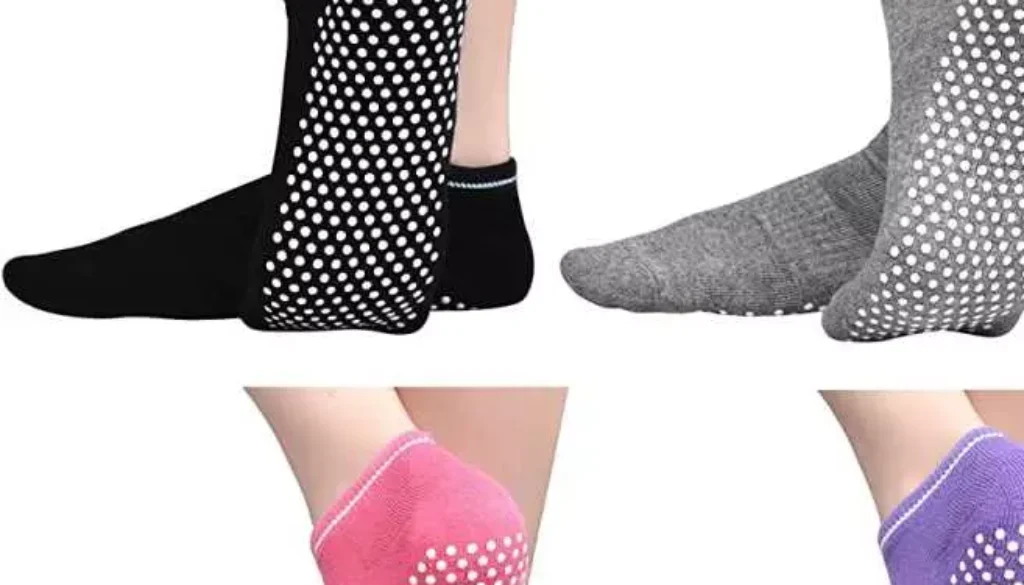
Non-slip Socks for Seniors
Non-Slip Socks for Seniors: A Complete Safety Guide
⚠️ Emergency Warning
Written & Reviewed by


If you fall while wearing non-slip socks and cannot get up, call 911 immediately. • Poison Control: 1-800-222-1222 if you accidentally ingest sock materials or cleaning products.
Key Takeaways
- 1 in 4 seniors fall every year – that’s over 14 million Americans aged 65+ (CDC, 2024)
- Non-slip socks can help reduce falls, but they’re not a magic solution
- Proper footwear from home is still safer than any sock according to medical research (ScienceDirect, 2017)
- Look for socks with all-around grip patterns and non-binding tops
- Price range: $8-25 for quality non-slip socks
- Research shows mixed results – they help some but aren’t foolproof
The Hard Truth About Falls and Seniors
Every year, falls cause over 38,000 deaths among Americans aged 65 and older, making them the leading cause of injury death for seniors (CDC, 2024). About 14 million (27.6%) older adults reported falling in 2020 (CDC MMWR, 2023), and about 37% of those who fall reported an injury that required medical treatment (CDC Facts About Falls, 2024).
Here’s what the numbers really mean for you or your loved one:
- Nearly 3 million emergency department visits annually due to senior falls
- 25% of seniors who fracture their hip die within six months
- More than 50% of seniors who recover from hip fractures end up in nursing homes
The Reality Check: Most falls happen at home during normal daily activities. About 60% of senior falls occur at home, often on familiar surfaces like kitchen tiles or bathroom floors.
What Science Actually Says About Non-Slip Socks
Here’s where it gets complicated. The medical research on non-slip socks shows mixed results:
The Studies That Matter
A comprehensive literature review found “inconclusive evidence to support the use of non-slip socks to prevent falls among hospitalized older adults.” The study noted that non-slip socks “do not possess the properties of adequate footwear to help prevent falls”.
However, a more recent 2023 study found that “non-slip socks represent an adequate alternative to well-fitting rubber-soled footwear” in preventing falls among hospitalized patients.
What This Means for You
Non-slip socks can help, but they’re not a miracle solution. Experts state that athletic sneakers are safer for seniors than reinforced socks, as sneakers provide better traction and support.
Bottom line: Non-slip socks are better than regular socks or going barefoot, but proper shoes are still your safest bet.
How Non-Slip Socks Actually Work
Non-slip socks are regular cotton socks with a rubber tread on the top and bottom to improve grip strength and slip resistance during walking. The rubber or silicone dots create friction between your foot and the floor.
Types of Grip Patterns
| Pattern Type | Coverage | Best For | Limitations |
|---|---|---|---|
| Bottom-only grips | Sole of foot | Light walking, sitting | Can slip if sock twists |
| All-around grips | Top and bottom | Active seniors, night walking | More expensive |
| Targeted grips | Key pressure points | Specific foot issues | May not cover all contact points |
Reality Check: When Non-Slip Socks DON’T Work
Let’s be honest about the limitations:
- Wet surfaces: Even the best grip socks can slip on wet bathroom floors
- Worn treads: After multiple washes, the grip material wears down
- Wrong size: Too loose and they bunch up; too tight and they’re uncomfortable
- Carpet snags: Some seniors report the grips catching on carpet
- False confidence: Feeling too secure can lead to riskier behavior
The 8 Best Non-Slip Socks for Seniors (2024)
Based on actual senior reviews, medical recommendations, and safety testing
1. Silverts Hospital Grip Socks – Best Overall
Price: $26.98 for 6-pack (about $4.50/pair)
Where to buy: Silverts.com | Amazon
Why seniors love them: Made from cotton blend with silicone treads, these come in three adult sizes and feature non-constrictive tops that don’t restrict circulation.
Pros:
- Used in actual hospitals and nursing homes
- Available in regular and XL sizes
- Seamless toe prevents irritation
- Machine washable
Cons:
- Limited color choices
- May feel thick in regular shoes
2. Bombas Gripper Socks – Best for Active Seniors
Price: $19 per pair
Where to buy: Bombas.com | Dick’s Sporting Goods
Get all the benefits of a regular Bombas sock with extra grip on the bottom to help prevent slips. Great for walking on hard floors, or studio workouts.
Pros:
- Premium cotton blend construction
- Honeycomb arch support
- Moisture-wicking properties
- Stylish enough for daily wear
Cons:
- Most expensive option
- Limited grip coverage
- Not specifically designed for medical needs
3. Gripjoy Non-Slip Socks – Best Value
Price: $12-16 per pair
Where to buy: Gripjoy.com
Why they stand out: Made from soft, breathable cotton and polyester blend with signature non-slip grips that provide traction without feeling bulky.
Pros:
- 30-day return policy
- 2-year sock replacement guarantee
- Donates 10% of profits to neuromuscular disease research
- Thin enough to wear in shoes
Cons:
- Newer brand with limited long-term reviews
- Not medical-grade
4. Secure Dual Tread Hospital Socks – Best for Medical Use
Price: Around $3-5 per pair
Where to buy: SecureSafetySolutions.com
Feature an all-around dual tread pattern with treads on both bottom and top, made of 80% cotton, 18% nylon, and 2% spandex.
Pros:
- Dual-sided grips prevent slipping even if sock twists
- Professional healthcare grade
- Latex-free
- 17-inch length prevents slipping off
Cons:
- Limited size options
- Basic colors only
5. Pembrook Non-Slip Hospital Socks – Best Budget Option
Price: $8-12 for 4-pack
Where to buy: Amazon | Medical supply stores
Features: Cotton, polyester, and spandex blend with rubber treads covering key grip areas.
Pros:
- Very affordable
- Multiple color options
- Unisex design
- Machine washable
Cons:
- Thinner material may wear faster
- Limited grip coverage
- May shed initially
6. Dr. Comfort Diabetic Non-Skid Socks – Best for Diabetics
Price: $15-20 per pair
Where to buy: Medical supply stores | Online
Special features: Designed specifically for diabetic feet with extra cushioning and moisture-wicking properties.
Pros:
- Diabetic-friendly seamless construction
- Extra padding in pressure areas
- Non-binding top
- Antimicrobial treatment
Cons:
- Higher price point
- May be too thick for some shoes
7. McKesson Terries Slipper Socks – Best for Comfort
Price: $2-4 per pair
Where to buy: Medical supply companies
Soft and breathable socks with terry cloth material that absorbs sweat and keeps feet dry and warm.
Pros:
- Very comfortable terry interior
- Machine washable
- Hospital-grade quality
- Excellent for overnight wear
Cons:
- Bulky design
- Limited grip pattern
- Mainly available through medical suppliers
8. Rative Non-Slip Calf Socks – Best for Swollen Feet
Price: $13-18 for 3-pack
Where to buy: Amazon
Special design: Available up to XX-Large with stretchy, thick construction and plenty of ventilation.
Pros:
- Sizes up to XX-Large
- Extra stretch for swollen feet
- Multiple color options
- Calf-high design
Cons:
- May be too loose for smaller feet
- Higher price per pair
Comparison Table: Key Features
| Brand | Price Range | Grip Type | Best For | Sizes | Machine Wash |
|---|---|---|---|---|---|
| Silverts | $4.50/pair | All-around silicone | Hospital/medical | S-XL | Yes |
| Bombas | $19/pair | Bottom treads | Active seniors | XS-XL | Yes |
| Gripjoy | $12-16/pair | Custom molded | Everyday wear | S-XL | Yes |
| Secure | $3-5/pair | Dual tread | Medical grade | One size | Yes |
| Pembrook | $2-3/pair | Rubber dots | Budget-conscious | One size | Yes |
| Dr. Comfort | $15-20/pair | Medical grade | Diabetics | S-XL | Yes |
| McKesson | $2-4/pair | Basic treads | Comfort | S-XL | Yes |
| Rative | $4-6/pair | Full coverage | Swollen feet | S-XXL | Yes |
What Seniors Need to Know Before Buying
Sizing Reality Check
Don’t assume “one size fits all” works for you. Many seniors have:
- Swollen feet that change size throughout the day
- Different sized feet
- Foot deformities from arthritis or other conditions
Tip: Measure both feet in the afternoon when they’re typically largest.
The Comfort vs. Safety Balance
| Too Loose | Just Right | Too Tight |
|---|---|---|
| Bunches up around ankle | Stays in place without binding | Restricts circulation |
| Grip pattern moves away from foot | Grip stays where needed | Leaves marks on skin |
| Creates tripping hazard | Comfortable all day | Difficult to put on |
Washing and Care Reality
Most non-slip socks lose grip over time. Here’s the truth:
- Silicone grips last longer than rubber
- Air drying preserves grip better than machine drying
- Replace when grip feels smooth
- Expect 6-12 months of effective use with regular washing
When Non-Slip Socks Are NOT Enough
High-Risk Situations Where You Need More
- Wet bathrooms: Install grab bars and non-slip mats
- Stairs: Always use handrails, consider a stair lift
- Outside: Wear proper shoes with good treads
- Getting up at night: Use motion-activated lighting
- After medication changes: Extra caution as you adjust
Red Flags: When to See Your Doctor
- Multiple falls in the past year
- Fear of falling affecting your daily activities
- Dizziness or balance problems
- New medications causing drowsiness
- Vision changes
- Foot numbness or tingling
The Financial Reality
Insurance and Medicare Coverage
Hard truth: Medicare typically doesn’t cover non-slip socks unless they’re part of diabetic supplies prescribed by your doctor. However:
- Medicaid: May cover them in some states
- Medicare Advantage: Some plans include wellness benefits
- HSA/FSA: Often covers fall prevention items
- Veterans Affairs: May provide them through medical equipment
Budget-Friendly Alternatives
- Dollar stores: Basic grip socks for $1-2
- Walmart/Target: Store brands around $3-5
- Buy in bulk: 6-packs often offer better value
- Medicare supplement plans: Check your benefits
Real Senior Experiences: The Good and Bad
What Works Well
“I wear them every morning when I get up. My kitchen floor used to be scary, but now I feel more confident.” – Margaret, 78
“The hospital ones are thick and warm. I wear them watching TV and doing housework.” – Robert, 72
Common Complaints
“They bunch up around my ankles and drive me crazy.” – Dorothy, 83
“After a few washes, they don’t grip as well. I have to replace them often.” – Frank, 69
Installation and Safety Tips
How to Put Them On Safely
- Sit down – don’t stand while putting on socks
- Check for bunching – smooth out wrinkles
- Test the grip – take a few careful steps
- Replace when worn – don’t use socks with smooth treads
Making Your Home Safer
Beyond just wearing non-slip socks:
- Remove throw rugs or secure them with non-slip backing
- Improve lighting, especially at night
- Clear walkways of clutter
- Install grab bars in bathrooms
- Use a shower chair if needed
- Keep frequently used items within easy reach
Frequently Asked Questions
Q: Can I wear non-slip socks with shoes?
A: Most are too thick for regular shoes. Look for thin-soled versions like Gripjoy if you want to wear them with shoes. Always check that shoes still fit properly.
Consult your doctor if you have circulation issues or diabetes before wearing any socks with shoes for extended periods.
Q: How often should I replace non-slip socks?
A: Replace them when the grip material feels smooth or starts peeling off, typically every 6-12 months with regular use. If you fall while wearing them, replace immediately.
Consult your healthcare provider if you’re falling frequently despite wearing grip socks.
Q: Are expensive non-slip socks worth it?
A: Not necessarily. A $5 medical-grade sock often works better than a $20 fashion sock. Focus on grip coverage, proper fit, and comfort rather than brand name.
Consult your doctor about which features are most important for your specific health conditions.
Q: Can non-slip socks help with neuropathy?
A: The cushioning and secure fit may provide some comfort, but they won’t treat neuropathy symptoms. Some diabetic versions offer extra padding.
Always consult your healthcare provider about managing neuropathy symptoms and fall prevention strategies.
Q: What if the socks are too slippery when new?
A: Wash them once before wearing to remove manufacturing residue. If they’re still slippery, return them – good grip socks should work right away.
Consult your pharmacist or doctor if you’re taking medications that affect balance or coordination.
Q: Do I need prescription non-slip socks?
A: Most don’t require a prescription, but your doctor may prescribe specific diabetic socks that insurance will cover.
Consult your healthcare provider to discuss whether prescription socks are right for your situation.
Resources for Seniors
Government Resources
- CDC STEADI Initiative: cdc.gov/steadi – Free fall prevention resources
- National Institute on Aging: nia.nih.gov – Fall prevention guides
- Area Agency on Aging: Find your local office at eldercare.acl.gov
Medical Organizations
- American Geriatrics Society: Healthcare provider finder
- National Council on Aging: ncoa.org – Falls prevention programs
- Disabled American Veterans: Equipment assistance for veterans
Emergency Preparedness
- Medical Alert Systems: Research options for automatic fall detection
- Local Emergency Services: Program your address into GPS systems
- Family Communication Plan: Ensure relatives know your daily routine
Financial Assistance
- Medicare.gov: Check coverage for diabetic supplies
- Benefits.gov: Find state assistance programs
- 211: Dial for local resources and assistance programs
Disclaimer
This article provides general information about non-slip socks and fall prevention for seniors. It is not intended as medical advice and should not replace consultation with healthcare professionals. Product availability, prices, and features may change without notice.
Important: Program details and product specifications can change. Always verify information with manufacturers, healthcare providers, and insurance companies before making decisions. If you have specific medical conditions, mobility issues, or take medications that affect balance, consult your doctor before relying on non-slip socks for fall prevention.
Individual results may vary. What works for one senior may not work for another due to differences in health conditions, mobility levels, and home environments.
About the Authors