
Shoes for Swollen Feet for Seniors
Best Shoes for Swollen Feet for Seniors: Complete Guide to Comfort and Safety
Emergency Section: When Swollen Feet Require Immediate Medical Attention
Written & Reviewed by


Call 911 or seek emergency care immediately if you have swollen feet along with:
- Chest pain or difficulty breathing – may indicate heart failure
- Severe pain, redness, and warmth in the swollen area – possible blood clot or infection
- Sudden onset of severe swelling – could be a serious medical emergency
- Swelling in only one leg with pain – possible deep vein thrombosis (DVT)
- Open sores or wounds on swollen feet that won’t heal – risk of serious infection
Contact your doctor within 24 hours if you experience:
- New or worsening swelling that doesn’t improve with elevation
- Swelling accompanied by shortness of breath, even when lying down
- Rapid weight gain (2-3 pounds in a day or 5+ pounds in a week)
- Decreased urination despite normal fluid intake
- Swelling that leaves deep impressions when pressed
Important: Swollen feet in seniors can be a sign of serious conditions like heart failure, kidney disease, or circulation problems. Never ignore persistent swelling.
Key Takeaways (Quick Summary)
✅ Swollen feet affect millions of seniors – often indicates underlying health conditions requiring medical attention
✅ Heart failure causes 15% of senior swelling cases – proper medical evaluation is essential
✅ The right shoes can provide relief – but they’re just one part of comprehensive treatment
✅ Medicare covers therapeutic shoes for qualified diabetic seniors (80% coverage after deductible)
✅ Proper sizing is crucial – swollen feet require different measurements and wider widths
✅ Features that matter most: adjustable closures, wide toe boxes, soft materials, lightweight construction
✅ Price range: $60-200 for quality therapeutic shoes designed for swollen feet
Understanding Swollen Feet in Seniors: Causes and Medical Context
According to the Cleveland Clinic, swollen feet (medically called edema) affect many seniors, with the condition becoming more common with age. While mild swelling can be normal, persistent swelling often indicates underlying health issues that require medical attention.
Common Medical Causes in Seniors
Heart-Related Conditions: The American Heart Association reports that heart failure is one of the leading causes of lower extremity edema in older adults. When the heart cannot pump blood effectively, it pools in the legs and feet, causing swelling.
Venous Insufficiency: According to Mount Sinai Health System, chronic venous insufficiency affects up to 40% of adults over 50. The valves in leg veins weaken with age, making it harder for blood to return to the heart.
Medication-Related Swelling: Many medications commonly prescribed to seniors can cause swelling as a side effect:
- Calcium channel blockers (for blood pressure)
- Anti-inflammatory drugs (NSAIDs)
- Diabetes medications
- Certain antidepressants
- Steroids
Other Common Causes:
- Kidney disease – affects fluid regulation in the body
- Liver disease – reduces protein production, causing fluid retention
- Diabetes complications – can affect circulation and healing
- Lymphedema – blocked lymphatic drainage
Why Seniors Are More Susceptible
Age-Related Changes:
- Heart muscle becomes less efficient
- Blood vessel walls lose elasticity
- Kidney function naturally declines
- Lymphatic system becomes less effective
- Longer periods of sitting or reduced mobility
Reality Check: While shoes can provide comfort and support, they don’t treat the underlying medical causes of swelling. Proper medical evaluation and treatment are essential.
Essential Features for Swollen Feet Shoes
The GOALS Framework for Shoe Selection
Medical professionals recommend the GOALS checklist when selecting shoes for swollen feet:
- G – Girth Available: Extra width and depth to accommodate swelling
- O – Opens Wide: Easy entry without forcing feet into shoes
- A – Adjustable: Closures that adapt to daily swelling changes
- L – Lightweight: Reduces fatigue and makes walking easier
- S – Soft Upper: Gentle materials that don’t constrict or irritate
Critical Design Elements
Adjustable Closures:
- Hook-and-loop (Velcro) straps – easiest for seniors with limited dexterity
- Multiple adjustment points – accommodate swelling throughout the day
- Easy-reach placement – no bending or complex manipulation required
Toe Box Design:
- Extra depth – minimum 1/2 inch more than standard shoes
- Wider width – typically need EE or EEEE widths
- Rounded shape – prevents pressure on swollen toes
Material Considerations:
- Stretch fabrics – accommodate size changes without binding
- Seamless construction – reduces pressure points and irritation
- Breathable materials – prevent overheating and moisture buildup
Medicare Coverage for Therapeutic Shoes: What Seniors Need to Know
Qualifying for Medicare Coverage
According to Medicare.gov, Medicare Part B covers therapeutic shoes for seniors who:
- Have diabetes with severe diabetic foot disease
- Meet at least one of these conditions:
- Previous amputation of part of either foot
- History of pre-ulcerative calluses
- Peripheral neuropathy with evidence of callus formation
- Foot deformity
- Poor circulation
What Medicare Covers
Annual Coverage Includes:
- One pair of extra-depth shoes and three pairs of inserts
- OR one pair of custom-molded shoes and two additional pairs of inserts
- Shoe modifications instead of inserts if more appropriate
Your Costs:
- 20% of Medicare-approved amount after meeting Part B deductible
- 2024 Part B deductible: $240
- Typical out-of-pocket cost: $15-40 for covered shoes
Important Requirements:
- Doctor treating your diabetes must certify medical necessity
- Shoes must be prescribed by qualified podiatrist or physician
- Must use Medicare-enrolled suppliers only
Reality Check: Medicare coverage is limited to diabetic foot conditions. Other causes of swollen feet typically require out-of-pocket payment for therapeutic shoes.
Top 7 Shoes for Seniors with Swollen Feet: Detailed Reviews
1. Dr. Comfort Carter Therapeutic Shoes ⭐⭐⭐⭐⭐
Price: $165-185
Where to Buy: DrComfort.com, Medicare-approved suppliers
Why They Excel for Swollen Feet: Medicare-approved therapeutic shoes with adjustable contact closures specifically designed for severe edema. Double-depth construction provides extra room for swelling.
Key Features:
- Stretchable, machine-washable materials
- Double-depth design accommodates severe swelling
- Adjustable contact closures with wide opening
- Removable insoles create additional space
- Available in wide and extra-wide widths
Medicare Coverage: Yes – eligible for Medicare reimbursement with proper certification
Sizing: Men’s 6-16, Women’s 5-12 (2E, 4E, 6E widths)
The Reality:
- Higher price point but Medicare covers 80% after deductible
- Limited color options (black, brown, white)
- May require break-in period despite soft materials
Best For: Diabetic seniors with severe swelling who qualify for Medicare coverage
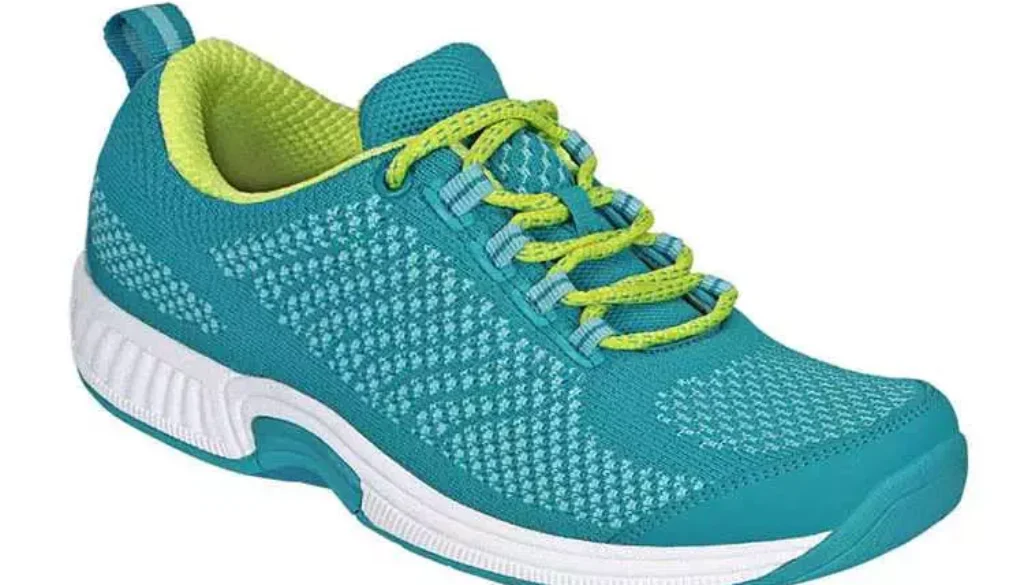
2. Orthofeet Coral Stretch Knit Shoes ⭐⭐⭐⭐⭐
Price: $145-165
Where to Buy: Orthofeet.com, Amazon
Why They Stand Out: Engineered stretch knit upper molds to foot shape changes throughout the day. Premium orthotic insoles provide support while accommodating swelling.
Key Features:
- Stretch knit upper adapts to swelling
- Wide toe box with extra depth
- Premium orthotic insoles (removable for more space)
- Arch booster and spacer options included
- Seam-free, padded interior
Sizing: Women’s 5-12, Men’s 7-14 (Medium, Wide, Extra-Wide, XX-Wide)
Pros:
- Excellent customer reviews for comfort
- 60-day wear trial period
- Multiple width options
- Soft, non-binding materials
Cons:
- Not Medicare-eligible (not diabetic-specific)
- Premium pricing without insurance coverage
- Limited color selection
Best For: Seniors with moderate to severe swelling who want premium comfort features
3. Pedors Classic High-Top Stretch Shoes ⭐⭐⭐⭐
Price: $89-109
Where to Buy: Pedors.com, select medical supply stores
Why They Work: Specifically designed for swollen feet and lymphedema. Stretch upper accommodates significant size variations throughout the day.
Key Features:
- All-stretch upper construction
- Extra-wide opening for easy entry
- Lightweight design reduces fatigue
- Machine washable materials
- Available up to 6E width
Sizing: Men’s 6-16, Women’s 4-13 (2E through 6E widths)
The Reality:
- Lower price point than premium options
- Limited arch support compared to orthotic shoes
- May not be durable enough for daily outdoor use
- Appearance is more medical than fashionable
Best For: Budget-conscious seniors with significant swelling who prioritize comfort over style
4. Propet Cush ‘N Foot Slipper ⭐⭐⭐⭐
Price: $45-65
Where to Buy: Propetusa.com, Amazon, medical supply stores
Why They’re Practical: Medicare-approved therapeutic slipper that functions as indoor/outdoor shoe. Fully opens for easy application over swollen feet.
Key Features:
- Fully opening design with multiple Velcro straps
- Cushioned footbed with arch support
- Lightweight EVA outsole
- Machine washable
- Medicare A5500 approved
Medicare Coverage: Yes – qualifies for Medicare coverage for diabetic foot conditions
Sizing: Men’s 6-16, Women’s 5-12 (Medium, Wide, X-Wide, XX-Wide)
Pros:
- Very affordable, especially with Medicare coverage
- Easy for caregivers to put on patients
- Good for seniors with limited mobility
- Durable construction
Cons:
- Slipper appearance may not be suitable for all occasions
- Limited ankle support
- Not ideal for extensive walking
Best For: Homebound seniors or those with severe mobility limitations
5. New Balance 928v3 Walking Shoes ⭐⭐⭐⭐
Price: $130-150
Where to Buy: NewBalance.com, major retailers
Why They’re Reliable: Motion control walking shoes available in multiple widths. ROLLBAR technology provides stability for seniors with balance concerns.
Key Features:
- Available up to 4E width
- Motion control for stability
- Leather upper with reinforced toe
- ABZORB cushioning technology
- Recommended by podiatrists
Sizing: Men’s 7-18, Women’s 5-13 (B, D, 2E, 4E widths)
The Reality:
- Traditional lace-up design may be difficult for seniors with dexterity issues
- Heavier than therapeutic shoes designed specifically for swelling
- Not Medicare eligible
- May require professional fitting for optimal comfort
Best For: Active seniors with mild to moderate swelling who need walking support
6. Silverts Deep & Wide Slip-On Shoes ⭐⭐⭐⭐
Price: $55-75
Where to Buy: Silverts.com, Amazon
Why They’re Senior-Friendly: Designed specifically for elderly wearers with adaptive features. Extra-deep design accommodates bandages and severe swelling.
Key Features:
- Slip-on design with stretch panels
- Extra depth for swelling accommodation
- Non-slip soles for safety
- Easy-care materials
- Adaptive design features
Sizing: Men’s 6-14, Women’s 5-12 (Wide and Extra-Wide only)
Pros:
- Specifically designed for seniors
- Very easy to put on independently
- Affordable price point
- Good for seniors with cognitive impairments
Cons:
- Limited size range in standard widths
- Basic comfort features compared to premium options
- May not provide adequate support for extended wear
Best For: Seniors in care facilities or those needing maximum ease of use
7. Apex Ambulator Conformable Shoes ⭐⭐⭐⭐
Price: $120-140
Where to Buy: ApexFoot.com, medical supply stores
Why They’re Effective: Heat-moldable design allows custom fitting to accommodate irregular foot shapes and swelling patterns.
Key Features:
- Heat-moldable upper for custom fit
- Removable depth insoles
- Wide Velcro closure system
- Shock-absorbing sole
- Available in therapeutic depths
Sizing: Men’s 6-16, Women’s 5-12 (A through 6E widths)
The Reality:
- Requires professional fitting for heat-molding process
- Medical appearance may not appeal to fashion-conscious seniors
- Higher learning curve for proper fit adjustment
- Excellent for complex foot problems
Best For: Seniors with severe swelling patterns or irregular foot shapes who need custom accommodation
Shoe Comparison Tables
Feature Comparison for Swollen Feet
| Shoe Model | Adjustability | Width Options | Medicare Eligible | Ease of Use | Price Range |
|---|---|---|---|---|---|
| Dr. Comfort Carter | Excellent | 2E-6E | ✅ Yes | Very Easy | $165-185 |
| Orthofeet Coral | Good | M-XXW | ❌ No | Easy | $145-165 |
| Pedors Classic | Excellent | 2E-6E | ❌ No | Very Easy | $89-109 |
| Propet Cush ‘N Foot | Excellent | M-XXW | ✅ Yes | Excellent | $45-65 |
| New Balance 928v3 | Poor | B-4E | ❌ No | Moderate | $130-150 |
| Silverts Deep & Wide | Good | W-XW | ❌ No | Excellent | $55-75 |
| Apex Ambulator | Excellent | A-6E | ⚠️ Sometimes | Moderate | $120-140 |
Best Shoes by Senior Needs
| Specific Need | Top Recommendation | Why It’s Best | Second Choice |
|---|---|---|---|
| Medicare Coverage | Dr. Comfort Carter | A5500 approved, 80% coverage | Propet Cush ‘N Foot |
| Severe Daily Swelling | Pedors Classic | All-stretch construction | Orthofeet Coral |
| Limited Dexterity | Propet Cush ‘N Foot | Fully opens, caregiver-friendly | Silverts Deep & Wide |
| Active Lifestyle | New Balance 928v3 | Motion control, durability | Orthofeet Coral |
| Budget-Conscious | Propet Cush ‘N Foot | Medicare coverage available | Silverts Deep & Wide |
Cost Analysis Including Medicare
| Payment Method | Typical Out-of-Pocket Cost | Coverage Details | Best Options |
|---|---|---|---|
| Medicare + Medigap | $0-40 | 80% Medicare + supplement coverage | Dr. Comfort, Propet |
| Medicare Only | $15-50 | 80% Medicare coverage after deductible | Medicare-eligible shoes |
| Private Insurance | $30-100 | Varies by plan | Check with insurance |
| Self-Pay | $45-185 | Full retail price | Pedors, Silverts for value |
Proper Fitting Guide for Swollen Feet
When to Measure and Shop
Best Time for Measurement:
- Late afternoon or evening when feet are most swollen
- During typical daily activities rather than first thing in morning
- While wearing usual socks or compression stockings
What to Bring When Shopping:
- Current shoes that feel comfortable
- Typical socks or hosiery you’ll wear
- Any orthotics or inserts you currently use
- List of medications (some affect swelling)
Professional Fitting vs. Home Measurement
Professional Fitting Benefits:
- Trained assessment of swelling patterns
- Access to wider range of widths and depths
- Ability to make minor modifications
- Understanding of medical foot conditions
Professional Fitting Locations:
- Pedorthic facilities – specialists in therapeutic footwear
- Medical supply stores – often have trained fitters
- Podiatrist offices – some offer fitting services
- Specialty shoe stores – particularly those serving seniors
Home Measurement Guidelines
Essential Tools:
- Brannock device (professional foot measuring tool) – $25-40
- Flexible measuring tape
- Paper and pencil for tracing foot outline
- Someone to help with measurements
Steps for Accurate Measurement:
- Measure both feet – swelling can be asymmetrical
- Measure length and width at widest points
- Check instep height – often overlooked but crucial for swollen feet
- Note any pressure points or sensitive areas
- Measure at your swelling peak time of day
Reality Check: Home measurement can give you a starting point, but professional fitting is recommended for seniors with significant swelling or multiple foot problems.
Managing Swollen Feet Beyond Footwear
Medical Treatment Options
Lifestyle Modifications:
- Elevation: Keep feet elevated above heart level for 15-30 minutes, 3-4 times daily
- Compression: Medical-grade compression stockings (15-20 mmHg for mild swelling)
- Movement: Regular ankle pumps and calf raises to improve circulation
- Diet: Reduce sodium intake to less than 2,300mg daily (consult your doctor)
When to Contact Your Healthcare Provider:
- Swelling doesn’t improve with elevation and rest
- New onset of swelling without clear cause
- Swelling accompanied by shortness of breath
- Signs of infection (redness, warmth, streaking)
Foot Care Essentials
Daily Care Routine:
- Inspect feet daily for cuts, sores, or changes
- Keep feet clean and dry – pay attention to areas between toes
- Use gentle, fragrance-free moisturizers on dry areas (avoid between toes)
- Trim toenails straight across to prevent ingrown nails
Warning Signs to Watch For:
- Open sores that don’t heal within a few days
- Changes in skin color or temperature
- Increased pain or tenderness
- Signs of infection or unusual discharge
Shopping Tips and Where to Buy
In-Person Shopping Advantages
Benefits of Trying On:
- Feel the actual fit and comfort level
- Test ease of putting on and taking off
- Check for pressure points immediately
- Get professional fitting advice
Best Places to Shop:
- Medical supply stores – often have trained fitting staff
- Specialty comfort shoe stores – wider selection of therapeutic options
- Department stores with senior hours – less crowded, more personal service
- Podiatrist offices – some sell shoes directly
Online Shopping Considerations
Advantages:
- Larger selection of widths and sizes
- Better prices and Medicare billing options
- Detailed product information and reviews
- Easy return policies
Disadvantages:
- Cannot try before buying
- Sizing variations between brands
- Potential return shipping costs
- Delayed gratification when shoes are needed urgently
Online Shopping Tips:
- Order multiple sizes if return policy allows
- Read reviews specifically from seniors with similar needs
- Check return policy carefully – some charge restocking fees
- Verify Medicare acceptance if applicable
Medicare-Approved Suppliers
Finding Approved Suppliers:
- Use Medicare.gov supplier directory
- Ask your podiatrist for referrals
- Contact shoe companies directly about Medicare billing
- Check with medical supply stores in your area
Questions to Ask Suppliers:
- Do you accept Medicare assignment?
- What documentation do I need from my doctor?
- How long does Medicare processing take?
- Do you offer fitting services?
Frequently Asked Questions
Q: How do I know if my swollen feet are serious enough to see a doctor?
A: You should see a doctor if swelling is new, persistent (lasting more than a few days), affects only one foot/leg, or is accompanied by shortness of breath, chest pain, or rapid weight gain. Any swelling that interferes with daily activities or doesn’t improve with elevation should be medically evaluated. Always consult your healthcare provider for proper diagnosis and treatment of the underlying cause.
Q: Can I use my HSA or FSA to pay for shoes for swollen feet?
A: Yes, if you have a doctor’s prescription stating the shoes are medically necessary for treating a specific foot condition. Keep all documentation including the prescription, receipts, and any medical notes. Some HSA/FSA administrators may require pre-approval, so check with your plan. However, you should always consult with your healthcare provider and plan administrator about what qualifies for reimbursement.
Q: How often should I replace shoes if I have swollen feet?
A: Therapeutic shoes typically last 6-12 months with daily wear, but this depends on your activity level and the severity of swelling. Replace shoes when the sole shows significant wear, the upper material loses elasticity, or when your foot condition changes. Monitor the fit regularly since swelling patterns can change over time. Consult your healthcare provider if you notice your shoes no longer provide adequate comfort or support.
Q: Is it normal for shoe size to change significantly due to swelling?
A: Yes, it’s common for seniors to need shoes 1-2 sizes larger and much wider than their pre-swelling measurements. Swelling can affect both length and width, and the pattern may change throughout the day. Some people need different sizes for morning versus evening wear. This is why adjustable shoes are so important for managing swollen feet. Your healthcare provider can help you understand if your swelling patterns are normal or concerning.
Q: Should I wear compression stockings with special shoes for swollen feet?
A: This depends on your specific medical condition and should be discussed with your healthcare provider. Some seniors benefit from compression stockings, while others should avoid them due to circulation issues. If recommended, ensure your shoes accommodate the additional bulk of compression stockings. Never use compression stockings without medical guidance, especially if you have diabetes or circulation problems.
Q: What’s the difference between regular wide shoes and therapeutic shoes for swelling?
A: Therapeutic shoes for swelling offer extra depth (not just width), adjustable closures, softer materials, and are designed to accommodate volume changes throughout the day. Regular wide shoes typically only increase width. Therapeutic shoes also often have removable insoles to create more space when needed and are designed with medical conditions in mind. However, you should consult your healthcare provider about which type is most appropriate for your specific condition.
Q: Can swollen feet shoes help with balance problems?
A: Proper therapeutic shoes can improve stability by providing better support and a more secure fit, which may help with balance. However, balance problems have many causes and may require medical evaluation and treatment beyond appropriate footwear. Some therapeutic shoes include features like wider soles and motion control that can enhance stability. Always discuss balance concerns with your healthcare provider for comprehensive evaluation and treatment.
Resources and Where to Get Help
Medical Professional Resources
Podiatrists (Foot Specialists)
Find Board-Certified Podiatrists: APMA.org
Phone: 301-581-9200
- Diagnose causes of foot swelling
- Prescribe therapeutic footwear
- Provide Medicare documentation
Primary Care Physicians
- Evaluate underlying causes of swelling
- Manage heart, kidney, or liver conditions
- Coordinate care with specialists
- Provide Medicare certifications
Certified Pedorthists
Find Certified Pedorthists: Pedorthics.org
- Specialists in therapeutic footwear
- Custom shoe modifications
- Professional fitting services
- Insurance billing expertise
Government Health Resources
Medicare Information
Website: Medicare.gov
Phone: 1-800-MEDICARE (1-800-633-4227)
- Therapeutic shoe coverage details
- Approved supplier directory
- Claims and billing questions
National Institute on Aging
Website: NIA.NIH.gov
Phone: 1-800-222-2225
- Foot health information for seniors
- Chronic disease management resources
Centers for Disease Control and Prevention
Website: CDC.gov
- Diabetes foot care guidelines
- Heart health information
- Prevention resources
Professional Fitting Services
Medical Supply Stores
- Often have certified fitting staff
- Accept Medicare and insurance
- Wide selection of therapeutic footwear
- Local service and support
Specialty Shoe Stores
- Comfort Plus stores nationwide
- Foot Solutions franchises
- Local orthopedic shoe shops
- Many offer home visits for seniors
Online Resources and Suppliers
Medicare-Approved Online Suppliers:
- Dr. Comfort: DrComfort.com – 1-800-556-5572
- Propet: PropetUSA.com – 1-800-877-7633
- Silverts: Silverts.com – 1-800-387-7088
General Therapeutic Footwear:
- Orthofeet: Orthofeet.com – 1-800-524-9267
- Pedors: Pedors.com – 1-800-750-6729
Support Organizations
American Diabetes Association
Website: Diabetes.org
Phone: 1-800-DIABETES
- Diabetic foot care resources
- Local support groups
American Heart Association
Website: Heart.org
Phone: 1-800-AHA-USA1
- Heart failure education
- Local support programs
National Kidney Foundation
Website: Kidney.org
Phone: 1-800-622-9010
- Kidney disease resources
- Fluid management information
Financial Assistance Resources
Medicare Extra Help Program
Phone: 1-800-MEDICARE
- Low-income prescription drug assistance
- May help with related medical costs
Local Area Agencies on Aging
Find Local Services: Eldercare.ACL.gov
Phone: 1-800-677-1116
- Local assistance programs
- Transportation to medical appointments
- Equipment loan programs
The Bottom Line: Taking the Right Steps Forward
Swollen feet in seniors require a comprehensive approach that goes beyond simply finding comfortable shoes. While the right footwear can significantly improve comfort and mobility, it’s crucial to address underlying medical causes and work with healthcare professionals for proper diagnosis and treatment.
Remember These Key Points:
- Medical evaluation comes first – persistent swelling needs professional assessment
- Proper shoes are therapeutic tools – they should accommodate, support, and protect
- Medicare may help with costs – if you qualify for diabetic shoe benefits
- Professional fitting is worth the investment – especially for complex swelling patterns
- Your needs may change over time – regular reassessment is important
Your Action Plan:
- Schedule a medical evaluation if you have new or persistent swelling
- Get properly measured by a professional familiar with swollen feet
- Research Medicare coverage if you have diabetes-related foot conditions
- Start with one quality pair rather than buying multiple shoes at once
- Monitor your response and adjust as your condition changes
Take Action Today:
- Make that doctor’s appointment to evaluate your swelling
- Research Medicare-approved suppliers in your area
- Measure your feet at their most swollen time
- Consider the total cost including potential Medicare coverage
Remember: Investing in proper shoes for swollen feet isn’t just about comfort—it’s about maintaining mobility, independence, and quality of life. The right shoes can mean the difference between staying active and becoming homebound.
Don’t let swollen feet limit your life. With proper medical care, appropriate footwear, and the right support resources, you can continue to move comfortably and safely through your daily activities.
Disclaimer
This information is for educational purposes only and should not replace professional medical advice. Swollen feet can indicate serious underlying medical conditions that require prompt professional evaluation and treatment.
Always consult with your healthcare provider before:
- Purchasing therapeutic footwear for medical conditions
- Making assumptions about the cause of foot swelling
- Using compression stockings or other swelling treatments
- Ignoring persistent or worsening swelling symptoms
Medicare coverage information is subject to change. Current coverage details, eligibility requirements, and approved suppliers should always be verified directly with Medicare or your Medicare Advantage plan. Coverage can vary based on your specific plan and medical conditions.
Product information, pricing, and availability can change frequently. Always verify current details directly with manufacturers and retailers before purchasing. This article provides general guidance but cannot account for individual medical needs or insurance situations.
This article addresses general information about swollen feet and shoe selection. Individual medical conditions may require specific modifications or different approaches. Your healthcare provider can give you personalized advice based on your complete medical history and current health status.
Emergency medical situations require immediate professional care. If you experience chest pain, severe shortness of breath, sudden onset severe swelling, or other concerning symptoms, seek immediate medical attention regardless of any information in this article.
Program details, insurance coverage, and supplier information can change. Readers should always verify current information with relevant agencies, healthcare providers, and insurance companies before making medical or financial decisions.
About the Authors