
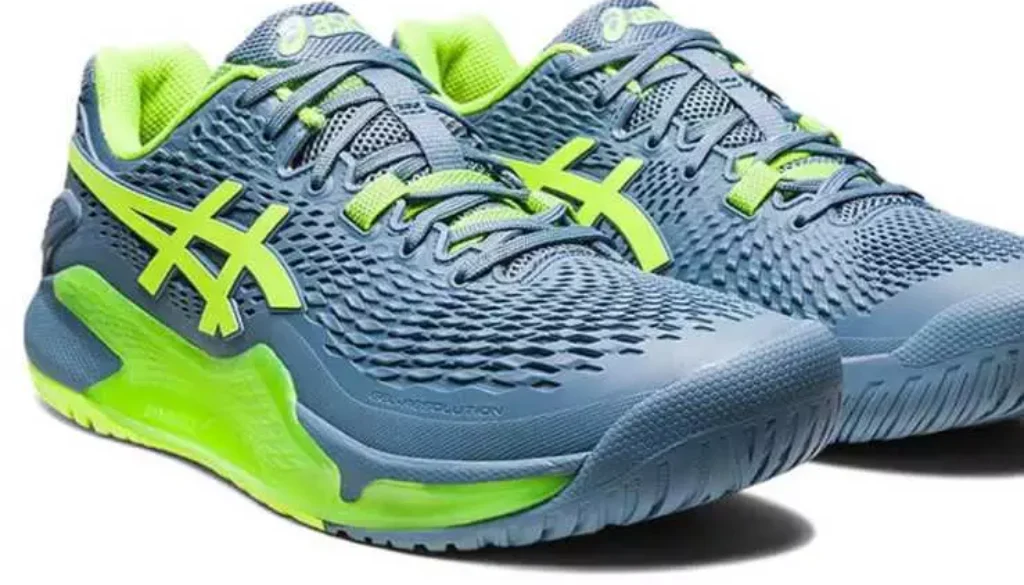
Tennis Shoes for Seniors
Tennis Shoes for Seniors: Complete 2025 Safety, Health, and Financial Guide
Emergency Section – When Tennis Becomes Dangerous
Written & Reviewed by


STOP playing tennis immediately and call 911 if you experience:
- Chest pain, pressure, or tightness
- Severe shortness of breath or difficulty breathing
- Dizziness, fainting, or loss of consciousness
- Severe joint pain or suspected fracture
- Signs of heat stroke: high body temperature, confusion, nausea, rapid pulse
STOP playing and seek same-day medical care for:
- Persistent joint or muscle pain that doesn’t improve with rest
- Swelling in legs, ankles, or feet after playing
- Irregular heartbeat or heart palpitations
- Severe dehydration symptoms
- Any injury that affects your ability to walk normally
Before starting tennis, consult your doctor if you have:
- Heart disease, high blood pressure, or irregular heartbeat
- Joint problems, arthritis, or osteoporosis
- Diabetes, especially with neuropathy or circulation problems
- Balance problems or history of falls
- Haven’t exercised regularly in over 6 months
Emergency preparation for senior tennis players:
- Always play with a partner or group – never alone
- Carry emergency contact information and medical details
- Keep water and shade easily accessible
- Know location of nearest emergency medical facility
Key Takeaways
✅ Tennis injury risk increases dramatically with age – from 0.01 injuries per year (ages 6-12) to 0.5 injuries per year (over 75) (BMJ Sports Medicine)
✅ Cardiovascular events account for 21.5% of tennis-related emergency visits for seniors 60+ – proper medical clearance is essential
✅ Medicare generally does NOT cover athletic shoes – even therapeutic ones require diabetes with severe foot disease
✅ Tennis can be beneficial – but only for medically cleared seniors with proper equipment and gradual introduction
✅ Financial assistance exists – SilverSneakers programs, local grants, and senior discounts can help with costs
The Reality Check: Is Tennis Safe for Seniors?
Tennis can offer tremendous health benefits for seniors, but let’s be honest about the risks. Research published in Injury Epidemiology found that among tennis players aged 60 and older, 21.5% of emergency department visits were for cardiovascular events, not injuries. This sobering statistic means that more than 1 in 5 senior tennis emergencies involve the heart, not twisted ankles or pulled muscles.
Additionally, injury rates increase significantly with age. According to the British Medical Journal, seniors over 75 have a 0.5 injury rate per player per year – meaning if you’re over 75, you have a 50% chance of getting injured playing tennis annually.
The Good News: Benefits for Cleared Seniors
For seniors who receive medical clearance, tennis offers significant benefits:
- Cardiovascular health: Research shows veteran tennis players burn 230-300 calories in 30 minutes of play
- Bone density: Weight-bearing activity helps combat osteoporosis
- Mental health: Social interaction and cognitive challenges reduce depression risk
- Balance and coordination: Improved stability reduces fall risk in daily life
The Reality: Who Should NOT Play Tennis
- Seniors with untreated heart conditions
- Those with severe arthritis or joint problems
- People with balance disorders or frequent falls
- Anyone with uncontrolled diabetes or circulation problems
- Seniors who haven’t exercised regularly without medical clearance
What Medicare and Insurance Actually Cover
Let’s be clear about tennis shoe coverage – Medicare won’t pay for your tennis shoes, even if you need them for health reasons.
Medicare Coverage Reality
Medicare Part B covers therapeutic shoes ONLY for diabetics with:
- Documented severe diabetic foot disease (ulcers, amputation history, circulation problems)
- Prescription from Medicare-enrolled doctor
- Annual limit: 1 pair custom-molded OR extra-depth shoes
- Cost: 20% copay after $257 deductible (2025)
Medicare will NOT cover:
- Athletic or tennis shoes for exercise or sport
- Regular sneakers for seniors without severe diabetic complications
- Multiple pairs for different activities
- Shoes for comfort or general foot problems
Alternative Coverage Options
SilverSneakers Program Coverage: Many Medicare Advantage plans include SilverSneakers, which provides access to tennis courts at participating facilities. While it doesn’t cover shoes, it can reduce overall tennis costs. Check with your Medicare Advantage provider about inclusion.
Veterans Benefits: Veterans may qualify for adaptive sports equipment through VA programs. Contact your local VA office for current programs.
State and Local Assistance:
- Area Agencies on Aging sometimes offer fitness equipment grants
- Local senior centers may have equipment loan programs
- United Way and faith-based organizations occasionally assist with sports equipment
Bottom Line Budget Reality: Plan to spend $80-200 for quality tennis shoes. Compare this to potential medical costs – a heart attack averages $20,000, hip fracture surgery $40,000+.
Medical Considerations Before Choosing Tennis Shoes
Essential Medical Screening
Before buying tennis shoes, seniors need medical clearance addressing:
Cardiovascular Assessment:
- EKG and stress test if over 65 or with risk factors
- Blood pressure monitoring during activity
- Heart rate response evaluation
Musculoskeletal Evaluation:
- Joint range of motion and stability testing
- Bone density assessment (DEXA scan)
- Gait and balance analysis
Foot-Specific Evaluation:
- Diabetic foot screening for sensation and circulation
- Arch structure and pronation analysis
- Assessment for bunions, hammertoes, or other deformities
Common Senior Foot Problems Affecting Shoe Choice
Diabetes complications require seamless interiors and extra depth. Arthritis needs maximum cushioning and shock absorption. Neuropathy demands protective features and perfect fit. Circulation problems require proper ventilation and non-constricting design.
8 Best Tennis Shoes for Seniors (2025 Medical Reviews)
1. New Balance Fresh Foam X 1080v14 – Best Overall Senior Safety
Price: $165 | Where to Buy: New Balance.com, Amazon
Why It’s Perfect for Seniors: While designed as a running shoe, the Fresh Foam X technology provides exceptional shock absorption crucial for senior joint protection. The wide toe box accommodates foot changes, and the rocker design reduces stress on forefoot.
Senior-Specific Benefits:
- Maximum cushioning protects aging joints
- Wide toe box accommodates bunions and swelling
- Multiple width options (2A to 4E)
- Easy-to-see reflective details for safety
Medical Considerations:
- Excellent for seniors with arthritis or joint pain
- Good arch support for plantar fasciitis
- Not recommended for seniors with severe balance issues due to thick sole
Pros:
- Superior shock absorption for joint protection
- Available in multiple widths
- Rocker design aids natural foot motion
- High-quality construction lasts longer
Cons:
- Expensive ($165)
- Heavier than true tennis shoes (may cause fatigue)
- Thick sole may affect court feel for experienced players
Best For: Seniors with joint problems who need maximum cushioning and have received medical clearance for tennis.
2. ASICS GEL-Resolution 9 – Best Stability for Senior Balance
Price: $140 | Where to Buy: ASICS.com, tennis specialty stores
Why It’s Perfect for Seniors: Designed specifically for tennis with enhanced stability features. The PGuard technology protects against toe dragging, while DYNAWALL technology improves stability during lateral movements.
Senior-Specific Benefits:
- Superior lateral support prevents ankle injuries
- Low-to-ground design improves court stability
- Durable construction withstands senior playing style
- Extended heel tab helps with putting on shoes
Medical Considerations:
- Excellent for seniors with mild balance issues
- Good for players with previous ankle injuries
- May be too firm for seniors with severe arthritis
Pros:
- Excellent stability and support features
- Designed specifically for tennis movement patterns
- Durable construction offers good value
- Available in wide widths
Cons:
- Firmer ride may not suit all seniors
- Requires break-in period
- Limited color options
Best For: Seniors with good mobility who need stability and lateral support for tennis.
3. Adidas CourtJam Bounce – Best Value for Senior Beginners
Price: $85 | Where to Buy: Adidas.com, sporting goods stores
Why It’s Perfect for Seniors: Affordable entry-level tennis shoe with good basic features. The Bounce midsole provides comfortable cushioning without being too soft for court stability.
Senior-Specific Benefits:
- Budget-friendly for seniors on fixed incomes
- Lightweight design reduces leg fatigue
- Easy-to-clean synthetic upper
- Good basic support for recreational play
Medical Considerations:
- Suitable for healthy seniors without foot problems
- Limited arch support may not suit flat feet
- Not recommended for seniors with diabetes or neuropathy
Pros:
- Affordable price point
- Lightweight and comfortable
- Good traction on most court surfaces
- Available in multiple colors
Cons:
- Basic cushioning compared to premium models
- Limited width options
- May not provide enough support for serious foot problems
Best For: Healthy seniors on budgets who want to try tennis without major investment.
4. Brooks Addiction Walker – Best for Diabetic Seniors
Price: $130 | Where to Buy: Brooks.com, medical supply stores
Why It’s Perfect for Seniors: While technically a walking shoe, it’s PDAC A5500 certified for diabetics and provides excellent stability and cushioning suitable for recreational tennis.
Senior-Specific Benefits:
- Medicare-approved for qualifying diabetics
- Extra depth accommodates custom orthotics
- Seamless interior reduces blister risk
- Superior motion control for overpronation
Medical Considerations:
- Excellent for diabetic seniors with foot problems
- Good for seniors with severe overpronation
- Motion control features may feel restrictive to some
Pros:
- Potential Medicare coverage for diabetics
- Excellent support and stability
- Accommodates custom orthotics
- Durable leather construction
Cons:
- Heavier than traditional tennis shoes
- May look too medical for some preferences
- Higher price without insurance coverage
Best For: Diabetic seniors with documented foot problems who have medical clearance for tennis.
5. K-Swiss Express Light – Best Lightweight Option
Price: $70 | Where to Buy: K-Swiss.com, tennis retailers
Why It’s Perfect for Seniors: Lightweight tennis-specific design reduces fatigue during play. The Surge 7.0 midsole provides responsive cushioning without excess weight.
Senior-Specific Benefits:
- Very lightweight reduces leg strain
- Classic tennis styling appeals to traditionalists
- Affordable pricing for quality construction
- Easy-to-clean synthetic materials
Medical Considerations:
- Good for seniors without significant foot problems
- Limited cushioning may not suit arthritic joints
- Narrow fit may not accommodate swelling
Pros:
- Very lightweight design
- True tennis shoe with court-specific features
- Affordable price point
- Classic styling
Cons:
- Limited cushioning for joint protection
- Narrow fit doesn’t suit all foot shapes
- Basic arch support
Best For: Healthy, active seniors who prioritize lightweight feel and traditional tennis shoe design.
6. HOKA Clifton 9 – Best Cushioning for Joint Protection
Price: $145 | Where to Buy: HOKA.com, running specialty stores
Why It’s Perfect for Seniors: While a running shoe, the maximum cushioning and lightweight design make it excellent for seniors needing joint protection during tennis.
Senior-Specific Benefits:
- Maximum cushioning protects aging joints
- Lightweight despite thick midsole
- Wide toe box accommodates foot changes
- Meta-Rocker technology aids natural gait
Medical Considerations:
- Excellent for seniors with joint pain or arthritis
- Thick sole may affect balance for some seniors
- Not designed specifically for lateral tennis movements
Pros:
- Maximum cushioning and comfort
- Lightweight for the amount of cushioning
- Wide toe box design
- Excellent for seniors with joint problems
Cons:
- Not designed specifically for tennis
- Thick sole may affect court feel
- Higher price point
Best For: Seniors with significant joint problems who need maximum cushioning and have adapted their tennis style.
7. New Balance 806v1 – Best Hook-and-Loop for Limited Mobility
Price: $85 | Where to Buy: New Balance.com, medical supply stores
Why It’s Perfect for Seniors: Features hook-and-loop (velcro) closure system instead of laces, making it easier for seniors with arthritis or limited mobility to put on independently.
Senior-Specific Benefits:
- No-tie closure system for easy use
- Rollbar technology provides motion control
- Leather upper offers durability and support
- Available in multiple widths
Medical Considerations:
- Excellent for seniors with hand arthritis
- Good motion control for stability issues
- May be too structured for some preferences
Pros:
- Easy hook-and-loop closure
- Good stability and motion control
- Available in multiple widths
- Durable construction
Cons:
- Velcro may wear out over time
- Limited color options
- Heavier than modern tennis shoes
Best For: Seniors with arthritis or limited hand dexterity who need easy-to-wear tennis shoes.
8. Orthofeet Springfield – Best Therapeutic Option
Price: $150 | Where to Buy: Orthofeet.com, medical supply stores
Why It’s Perfect for Seniors: Specifically designed for foot problems with built-in orthotic insoles, seamless interior, and extra depth. While not a tennis shoe, suitable for recreational play.
Senior-Specific Benefits:
- Built-in orthotic support
- Seamless interior prevents blisters
- Extra depth accommodates swelling
- Hook-and-loop closure available
Medical Considerations:
- Excellent for seniors with multiple foot problems
- Good for diabetics with neuropathy
- May feel too structured for healthy feet
Pros:
- Therapeutic features address multiple foot problems
- Built-in orthotic support
- Seamless construction
- Multiple closure options
Cons:
- Medical appearance may not appeal to all
- Higher price point
- Not designed specifically for tennis movements
Best For: Seniors with multiple foot problems who want to try recreational tennis with maximum therapeutic support.
Detailed Comparison Tables
Safety and Medical Features Comparison
| Model | Joint Protection | Stability | Diabetic-Friendly | Medical Approval | Fall Prevention |
|---|---|---|---|---|---|
| New Balance 1080v14 | Excellent | Good | Good | None | Good |
| ASICS GEL-Resolution 9 | Good | Excellent | Fair | None | Excellent |
| Adidas CourtJam | Fair | Good | Fair | None | Good |
| Brooks Addiction Walker | Excellent | Excellent | Excellent | PDAC A5500 | Excellent |
| K-Swiss Express Light | Fair | Good | Fair | None | Good |
| HOKA Clifton 9 | Excellent | Fair | Good | None | Fair |
| New Balance 806v1 | Good | Excellent | Good | None | Good |
| Orthofeet Springfield | Excellent | Good | Excellent | APMA Accepted | Good |
Price and Value Comparison by Retailer
| Retailer | NB 1080v14 | ASICS GEL-Res 9 | Adidas CourtJam | Brooks Addiction | HOKA Clifton 9 |
|---|---|---|---|---|---|
| Brand Direct | $165 | $140 | $85 | $130 | $145 |
| Amazon | $150-170 | $125-145 | $70-90 | $120-135 | $135-150 |
| Tennis Warehouse | N/A | $130-140 | $80-85 | N/A | N/A |
| Medical Supply | N/A | N/A | N/A | $130 | N/A |
| Dick’s/Sports | $165 | $140 | $85 | $130 | $145 |
Prices as of August 2025, subject to sales and promotions
Senior-Specific Features Matrix
| Feature | Why Important for Seniors | Best Models | Medical Note |
|---|---|---|---|
| Easy closure | Arthritis limits hand dexterity | NB 806v1, Orthofeet | Reduces independence barriers |
| Maximum cushioning | Protects aging joints | NB 1080v14, HOKA Clifton | Essential for arthritis |
| Wide toe box | Accommodates bunions, swelling | NB 1080v14, HOKA, Orthofeet | Prevents pressure ulcers |
| Stability features | Prevents ankle injuries | ASICS, Brooks, NB 806v1 | Critical for balance issues |
| Lightweight design | Reduces fatigue | K-Swiss, HOKA | Important for endurance |
| Diabetic-friendly | Prevents foot complications | Brooks, Orthofeet | Medical necessity |
Tennis Court Surface Compatibility
| Court Surface | Recommended Models | Why Important | Senior Considerations |
|---|---|---|---|
| Hard Court | ASICS GEL-Resolution, Adidas CourtJam | Durability for abrasive surface | Most common surface, good for beginners |
| Clay Court | K-Swiss Express, NB 1080v14 | Tread pattern for traction | Easier on joints, good for seniors |
| Grass Court | ASICS GEL-Resolution | Low profile for stability | Rare, requires excellent balance |
| Indoor Court | Any model with non-marking sole | Facility requirements | Good for year-round senior programs |
Financial Assistance and Grant Programs
Federal Programs
SilverSneakers through Medicare Advantage: Many Medicare Advantage plans include SilverSneakers membership, providing access to tennis courts at participating facilities. While shoes aren’t covered, court access can significantly reduce tennis costs.
Veterans Administration Sports Programs: Veterans may qualify for adaptive sports equipment grants through the VA. Contact your local VA recreational therapy department for current programs.
State and Local Assistance
Area Agencies on Aging: Many local agencies offer fitness equipment grants or loan programs for seniors. Contact your local Area Agency on Aging through Eldercare.acl.gov.
Senior Center Programs: Local senior centers often have equipment lending libraries or group purchase programs that reduce costs.
United Way and Faith-Based Organizations: These organizations sometimes provide fitness equipment assistance. Contact local chapters directly.
Discount Programs
AARP Member Discounts: AARP membership provides discounts at many sporting goods retailers.
Senior Citizen Discounts: Many stores offer 10-15% senior discounts on specific days – ask at checkout.
End-of-Season Sales: Tennis equipment typically goes on sale in fall/winter when tennis season ends.
Realistic Challenges You’ll Face
Shopping Difficulties
Limited selection in stores: Many retailers don’t carry tennis shoes in wide widths or specialized features seniors need. Online shopping may be necessary but makes fitting difficult.
Sizing changes: Senior feet often change size and shape. What fit last year may not fit now. Professional fitting is recommended but not always available.
Sales pressure: Retail staff may not understand senior-specific needs and might push inappropriate models.
Medical and Safety Challenges
Getting medical clearance: Many doctors are reluctant to clear seniors for tennis due to injury risks. Be prepared to advocate for your activity goals.
Finding appropriate partners: Playing with much younger players can increase injury risk. Look for senior-specific leagues or programs.
Weather limitations: Heat sensitivity increases with age, limiting outdoor play times. Indoor courts may be expensive or unavailable.
Financial Realities
Quality shoes cost $80-200+: This strains fixed incomes, but cheaper shoes often lack necessary safety features.
Replacement frequency: Tennis shoes need replacement every 6-12 months with regular play, creating ongoing expense.
Additional equipment costs: Proper tennis requires more than just shoes – racquet, balls, court fees, and potentially lessons add up.
Safe Tennis Guidelines for Seniors
Pre-Play Medical Requirements
Annual physical examination with specific tennis clearance discussion. Cardiovascular stress testing if over 65 or with risk factors. Medication review for drugs affecting balance or heart rate. Eye examination to ensure adequate vision for ball tracking.
Environmental Safety Rules
Temperature limits: Avoid playing when temperature exceeds 85°F or humidity is above 70%. Hydration protocol: Drink 8 oz water 30 minutes before play, 4 oz every 15 minutes during play. Sun protection: Use SPF 30+ sunscreen, wear hat, and play during off-peak sun hours when possible.
Modified Play Recommendations
Shorter matches: Limit play to 30-45 minutes initially, gradually increasing. Lower intensity: Focus on placement over power, emphasizing technique over speed. Frequent breaks: Rest 2-3 minutes every 15 minutes of play.
When Tennis Isn’t Appropriate
Absolute Contraindications
- Uncontrolled heart disease or recent cardiac event
- Severe osteoporosis with fracture risk
- Uncontrolled diabetes with circulation problems
- Severe balance disorders or frequent falls
- Acute joint inflammation or injury
Relative Contraindications Requiring Careful Evaluation
- Controlled heart disease (requires cardiologist clearance)
- Mild to moderate arthritis (may benefit from low-impact modification)
- Well-controlled diabetes (requires podiatrist consultation)
- Previous joint replacements (orthopedist clearance needed)
Alternative Activities for Unsuitable Candidates
Pickleball: Lower impact alternative with similar social benefits. Table tennis: Provides hand-eye coordination without running. Swimming: Excellent cardiovascular exercise with minimal joint stress. Chair exercises: Maintain fitness when mobility is limited.
Frequently Asked Questions
Q: Will Medicare pay for my tennis shoes? A: Medicare only covers therapeutic shoes for diabetics with severe foot disease documented by a doctor. Regular tennis or athletic shoes are not covered, even for seniors with balance or joint problems. You may qualify if you have diabetes with foot ulcers, circulation problems, or amputation history. Always consult your healthcare provider to determine if you meet Medicare’s strict criteria.
Q: Is tennis safe for seniors with heart conditions? A: Tennis can be safe for some seniors with well-controlled heart conditions, but requires cardiologist clearance and often cardiac stress testing. Research shows that 21.5% of senior tennis emergency visits involve cardiovascular events, not injuries. Never start tennis with any heart condition without explicit medical approval. Consult your healthcare provider and likely a cardiologist before beginning any tennis program.
Q: How often should I replace my tennis shoes? A: Tennis shoes should be replaced every 300-500 miles of play or 6-12 months with regular use, whichever comes first. Seniors should inspect shoes monthly for worn treads, compressed cushioning, or structural breakdown, as these increase injury risk significantly. Don’t wait for visible wear – internal cushioning breaks down before it’s obvious. Consult your healthcare provider if you notice changes in balance or comfort that might be shoe-related.
Q: Can I play tennis with arthritis or joint problems? A: Some seniors with mild to moderate arthritis can play modified tennis with proper medical clearance, but this requires individual evaluation by a rheumatologist or orthopedist. Tennis may actually help maintain joint mobility, but the wrong approach can cause serious damage. Modified play with shorter sessions, emphasis on technique over power, and proper pain management may be possible. Always consult your healthcare provider before playing tennis with any joint condition.
Q: What if I can’t afford quality tennis shoes? A: Look into local assistance programs through Area Agencies on Aging, senior centers, or United Way. Some organizations offer equipment grants or loan programs. Veterans may qualify for VA adaptive sports programs. However, don’t compromise on essential safety features – cheaper shoes often lack necessary protection and can lead to expensive medical bills. Consider it a medical device investment rather than optional sporting goods. Consult your healthcare provider about your specific needs before choosing budget options.
Q: Are there tennis programs specifically for seniors? A: Many communities offer senior-specific tennis programs through parks departments, senior centers, or tennis clubs. The USTA (United States Tennis Association) promotes senior tennis with modified rules and shorter courts. SilverSneakers programs often include tennis court access. Look for “Tennis for Life” programs or senior leagues in your area. Always ensure any program requires medical clearance and has emergency protocols. Consult your healthcare provider about program appropriateness for your condition.
Q: What should I do if I get injured playing tennis? A: Stop playing immediately and assess the severity. For chest pain, severe breathlessness, or suspected fractures, call 911. For minor injuries, apply ice, elevate if possible, and seek medical evaluation before returning to play. Remember that senior injuries heal more slowly and complications are more likely. Never “play through” pain – what might be minor for younger players can be serious for seniors. Always consult your healthcare provider about any tennis-related injury before resuming play.
Additional Resources for Senior Tennis Safety
Professional Medical Support
- Sports Medicine Physicians: Specialize in exercise safety for older adults – Find providers
- Cardiologists: Essential for heart condition clearance – Find Medicare providers
- Physical Therapists: Can assess tennis readiness and modify techniques
- Podiatrists: Foot and ankle specialists for shoe fitting and injury prevention
Tennis Organizations and Safety
- USTA Safe Play Program: www.usta.com/safeplay – comprehensive tennis safety resources
- Tennis Industry Association: Safety guidelines and equipment standards
- International Tennis Hall of Fame: Senior tennis history and programs
Health and Aging Resources
- National Institute on Aging: www.nia.nih.gov – exercise safety for seniors
- American College of Sports Medicine: Exercise guidelines for older adults
- CDC Physical Activity Guidelines: www.cdc.gov/physicalactivity
Financial Assistance Resources
- Area Agency on Aging: eldercare.acl.gov – find local assistance programs
- National Council on Aging: www.ncoa.org – benefits and assistance programs
- Veterans Administration: www.va.gov – adaptive sports programs for veterans
Where to Buy – Official Links
Tennis Specialty Retailers:
- Tennis Warehouse: www.tennis-warehouse.com – largest tennis specialty retailer
- Midwest Sports: www.midwestsports.com – tennis equipment specialist
- Tennis Plaza: www.tennisplaza.com – online tennis retailer
Medical/Adaptive Retailers:
- Orthofeet: www.orthofeet.com – therapeutic footwear specialist
- Dr. Comfort: Medical footwear with some athletic options
- Local medical supply stores: Often provide fitting services and accept insurance
General Retailers:
- Brand websites: New Balance, ASICS, Adidas for full selection
- Amazon: Largest selection but difficult fitting
- Dick’s Sporting Goods: Physical stores for trying on shoes
Disclaimer
This article is for informational purposes only and should not replace professional medical advice. Tennis can be a high-risk activity for seniors, particularly those with heart conditions, joint problems, balance issues, or other medical conditions. The information provided about Medicare coverage, medical conditions, and safety recommendations may change and should always be verified with appropriate healthcare providers and agencies.
Individual medical conditions vary greatly, and what may be safe for one senior may be dangerous for another. All seniors should obtain explicit medical clearance from their healthcare provider before beginning any tennis program, regardless of their perceived health status. This is especially critical for seniors with any history of heart disease, joint problems, balance issues, diabetes, or other chronic conditions.
The authors and publishers are not responsible for any injuries, medical complications, or financial losses that may result from following this advice. Tennis participation, equipment selection, and medical decisions should always be made in consultation with qualified healthcare professionals who can assess individual risk factors and appropriateness.
Medicare and insurance coverage rules change frequently. Always verify current coverage information directly with Medicare, your insurance provider, or qualified insurance professionals before making purchasing decisions based on coverage expectations.
Last updated: August 2025
About the Authors