
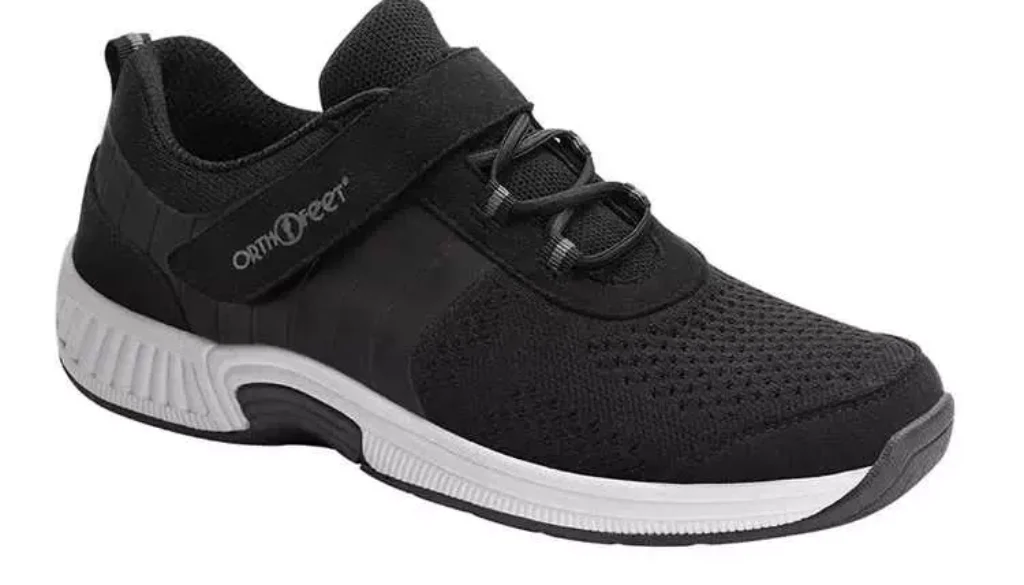
Easy Slip-on Shoes for Seniors
Easy Slip-On Shoes for Seniors: Complete Safety & Independence Guide
⚠️ Emergency Warning
Written & Reviewed by


If you experience sudden severe foot pain, swelling, or cannot bear weight, call 911 immediately
If you fall while wearing improper shoes, seek medical attention even if you feel “fine” – some injuries aren’t immediately apparent.
Key Takeaways
- Falls are the leading cause of injury death for seniors, with improper footwear being a major factor (CDC, 2024)
- Medicare Part B covers diabetic shoes – up to $200+ annually for qualifying seniors (Medicare.gov)
- 53.9% of adults 75+ have arthritis, making traditional laces painful or impossible (CDC, 2024)
- Price range: $45-150 for quality senior-friendly shoes
- Look for hands-free technology, non-slip soles, and wide toe boxes
- Reality check: Premium shoes cost more but prevent costly falls and injuries
Why Slip-On Shoes Aren’t Just Convenient—They’re Essential for Senior Safety
Every year, emergency rooms see millions of senior patients who fell while trying to put on or take off their shoes. The simple act of bending over to tie laces becomes dangerous when you factor in balance issues, back pain, and decreased flexibility that come with aging.
The Harsh Statistics
- Over 3 million seniors visit emergency rooms annually due to fall-related injuries (CDC, 2024)
- 1 in 4 seniors fall each year, with many falls happening during routine activities like dressing
- Footwear-related falls account for a significant portion of home accidents among seniors
The Physical Realities
Arthritis affects daily shoe choices: More than 80% of adults over 55 have osteoarthritis, making finger dexterity a real challenge. Small buttons, tight laces, and complex buckles become painful obstacles to independence.
Balance issues compound the problem: The National Institute on Aging reports that hip osteoarthritis “may limit the ability to move and bend, making daily activities such as dressing and putting on shoes a challenge.”
Back pain makes bending dangerous: Standing on one foot while putting on shoes can cause falls, especially for seniors with chronic back conditions.
Understanding Different Types of Slip-On Shoes for Seniors
Not all slip-on shoes are created equal. Here’s what you need to know about the main categories:
Types of Senior-Friendly Shoes
| Type | Technology | Best For | Price Range |
|---|---|---|---|
| Traditional Slip-Ons | Elastic panels, loose fit | Mild mobility issues | $45-80 |
| Hands-Free Technology | Spring-back heel system | Arthritis, back pain | $99-150 |
| Velcro/Strap Systems | Adjustable closures | Swelling, custom fit | $60-120 |
| Medical/Diabetic | Extra depth, seamless interior | Diabetes, neuropathy | $80-200+ |
Medicare Coverage: What Seniors Need to Know
Important: Medicare Part B covers therapeutic shoes for qualifying diabetic patients. This isn’t widely advertised, but it can save you hundreds of dollars annually.
Medicare Diabetic Shoe Benefits
Medicare covers the following for qualifying diabetics:
- One pair of custom-molded shoes OR one pair of extra-depth shoes annually
- Up to 3 pairs of inserts per calendar year
- Shoe modifications instead of inserts if needed
- 80% of Medicare-approved cost (you pay 20% plus deductible)
Qualifying Conditions
To qualify for Medicare coverage, you must have diabetes PLUS one of these conditions:
- Peripheral neuropathy with evidence of callus formation
- History of foot ulceration
- History of pre-ulcerative callus
- History of partial or complete foot amputation
- Foot deformity
- Poor circulation (peripheral vascular disease)
Reality Check: Many seniors don’t know about this benefit. Ask your doctor about a prescription for diabetic shoes if you qualify.
The 7 Best Slip-On Shoes for Seniors (2024)
Based on senior reviews, medical professional recommendations, and safety testing
1. Kizik Athens 2.0 – Best Hands-Free Technology
Price: $129
Where to buy: Kizik.com | Nordstrom | Amazon
Why seniors love them: Revolutionary spring-back heel technology allows completely hands-free wearing. No bending, no crushing the heel, no assistance needed.
Key features:
- Patented F.A.S.T. (Foot Activated Shoe Technology)
- 30,000 heel compression testing for durability
- Memory foam cushioning
- Non-slip rubber outsole
- Available in 15+ colors
Best for: Seniors with severe arthritis, back pain, balance issues
Reality check: Expensive but worth it for independence. Some find the heel cage takes getting used to.
2. Orthofeet Edgewater – Best for Medical Needs
Price: $159-179
Where to buy: Orthofeet.com | Medicare-approved suppliers
Designed specifically for seniors with foot problems, diabetes, and arthritis.
Key features:
- Extra-depth design for swelling
- Seamless interior prevents pressure points
- Premium orthotic insoles included
- Wide widths available (up to 6E)
- Medicare-approved for diabetic coverage
Best for: Diabetes, neuropathy, severe foot problems, swelling
Reality check: Medical-grade quality but looks like orthopedic shoes, not fashion sneakers.
3. Skechers Slip-Ins GOwalk 6 – Best Value
Price: $75-85
Where to buy: Skechers.com | Major retailers
Popular mainstream option that’s easily available and affordable.
Key features:
- Heel cup that springs back after entry
- Ultra-lightweight design
- Machine washable
- Air-Cooled Memory Foam insole
- Multiple width options
Best for: Active seniors on a budget, casual daily wear
Reality check: Good quality for the price but less durable than premium brands.
4. Zeba Hands-Free Sneakers – Best Classic Look
Price: $149-159
Where to buy: ZebaShoes.com | Amazon
Looks exactly like regular athletic shoes but with hands-free technology hidden inside.
Key features:
- Expandable heel design
- Classic sneaker appearance
- Shock-absorbing sole
- Roomy toe box for comfort
- Slip-resistant outsole
Best for: Seniors who want normal-looking athletic shoes with adaptive features
Reality check: Sturdy construction but heavier than some alternatives.
5. Propet TravelActiv Slip-On – Best for Travel
Price: $89-99
Where to buy: Propet.com | Medicare suppliers
Perfect for seniors who travel or need shoes that work in multiple settings.
Key features:
- TSA-friendly slip-on design
- Lightweight EVA construction
- Removable insoles for orthotics
- Machine washable
- Available in wide widths
Best for: Traveling seniors, multiple daily activities
Reality check: Great all-around shoe but not as specialized as medical brands.
6. New Balance 847v4 Walking Shoe (Modified) – Best Support
Price: $134-149
Where to buy: NewBalance.com | Specialty shoe stores
Traditional walking shoe modified with elastic laces and heel tabs for easier entry.
Key features:
- Motion control technology
- ROLLBAR technology for stability
- Premium cushioning system
- Available in multiple widths
- Excellent arch support
Best for: Seniors with serious foot problems who need maximum support
Reality check: More traditional design but requires some modification for true slip-on use.
7. Hush Puppies Gil – Best Dress Option
Price: $79-89
Where to buy: HushPuppies.com | Department stores
Professional-looking option for seniors who need dress shoes.
Key features:
- Leather construction for durability
- Hook and loop closure for easy adjustability
- Removable footbed
- Low heel for stability
- Non-slip sole
Best for: Professional settings, social events, seniors who prefer dress shoes
Reality check: Limited to business casual settings, not suitable for athletic activities.
Comparison Table: Key Features for Seniors
| Brand | Price | Technology | Medicare | Widths | Durability | Best Use |
|---|---|---|---|---|---|---|
| Kizik Athens | $129 | Hands-free heel | No | Standard | Excellent | All activities |
| Orthofeet | $169 | Extra-depth | Yes | Up to 6E | Excellent | Medical needs |
| Skechers | $80 | Heel cup | No | Wide available | Good | Casual wear |
| Zeba | $149 | Expandable heel | No | Standard | Very Good | Athletic look |
| Propet | $94 | Traditional slip-on | Yes | Up to 5E | Good | Travel/versatile |
| New Balance | $142 | Modified laces | No | Multiple | Excellent | Serious support |
| Hush Puppies | $84 | Hook & loop | No | Multiple | Good | Dress occasions |
What to Look for When Shopping
Essential Safety Features
Non-slip soles are non-negotiable. Look for rubber outsoles with deep tread patterns. The sole should have good grip on both wet and dry surfaces.
Proper fit prevents falls. Shoes that are too loose cause shuffling and tripping. Too tight causes pain and circulation problems.
Low heel height (under 1 inch). Higher heels shift your center of gravity and increase fall risk.
Senior-Specific Features to Consider
| Feature | Why It Matters | What to Look For |
|---|---|---|
| Wide toe box | Prevents pressure on bunions, hammertoes | Room to wiggle toes |
| Cushioned heel | Absorbs impact, reduces joint stress | EVA or memory foam |
| Breathable materials | Prevents fungal infections | Mesh panels, moisture-wicking |
| Removable insoles | Accommodates custom orthotics | Easy to pull out and replace |
The Financial Reality of Quality Shoes
Investment vs. Cost Analysis
Premium shoes cost more upfront but save money long-term:
- Cheap shoes ($30-50): Last 3-6 months, provide poor support
- Quality shoes ($80-150): Last 2-3 years, prevent injury costs
- Medical bills from falls: Average $35,000+ per incident
Insurance and Payment Options
- Medicare Part B: Covers diabetic shoes (80% after deductible)
- Medicare Advantage: Some plans include wellness benefits
- HSA/FSA accounts: Often cover therapeutic footwear
- Medicaid: Limited coverage in some states
Common Mistakes Seniors Make When Buying Shoes
Sizing Errors
Buying the same size you wore at 40: Feet change with age. They often become wider and longer due to:
- Loss of fat padding
- Ligament stretching
- Bone structure changes
- Swelling from medical conditions
Shopping in the morning: Feet swell throughout the day. Shop for shoes in the afternoon when your feet are at their largest.
Feature Misunderstandings
Thinking all slip-ons are the same: Traditional slip-ons often require finger pulling or heel crushing. Look for true hands-free technology.
Ignoring width options: Many seniors need wide or extra-wide shoes but buy standard width because they don’t know better options exist.
When to Replace Your Shoes
Safety Warning Signs
- Worn tread pattern: If you can’t see the tread grooves clearly, replace immediately
- Uneven wear: Indicates gait problems that need addressing
- Compressed cushioning: If the sole feels flat or you feel every step, cushioning is gone
- Stretched-out fit: If shoes feel loose or your feet slide around inside
Timeline Guidelines
| Usage Level | Replacement Timeline | Signs to Watch For |
|---|---|---|
| Light daily use | 12-18 months | Visible wear on sole |
| Regular walking | 8-12 months | Reduced cushioning |
| Active use | 4-8 months | Any structural damage |
Real Senior Challenges and Solutions
Challenge: “I can’t afford $150 shoes”
Solutions:
- Check Medicare coverage if diabetic
- Look for end-of-season sales (30-50% off)
- Consider buying one quality pair vs. multiple cheap pairs
- Ask about payment plans at specialty stores
Challenge: “Nothing fits my swollen feet”
Solutions:
- Shop in the afternoon when feet are most swollen
- Look for shoes with adjustable features (Velcro, elastic)
- Consider extra-wide widths (2E, 4E, 6E)
- Ask about custom modifications
Challenge: “I live alone and need help putting shoes on”
Solutions:
- Invest in true hands-free technology (Kizik, Zeba)
- Use a long-handled shoe horn
- Keep slip-on shoes by your chair
- Consider elastic laces for existing shoes
Professional Fitting: When You Need Help
Signs You Need Professional Fitting
- Foot pain or discomfort in current shoes
- Recent foot surgery or injury
- Diabetes with foot complications
- Significant swelling or shape changes
- Balance issues or frequent falls
Where to Get Professional Help
Certified Pedorthists are footwear specialists who can:
- Assess your gait and foot mechanics
- Recommend appropriate shoes for your condition
- Modify existing shoes if needed
- Work with Medicare for covered services
Find certified professionals at: American Board for Certification in Orthotics, Prosthetics & Pedorthics
Frequently Asked Questions
Q: Are expensive shoes really worth it for seniors?
A: Often yes, especially for safety. Quality shoes with proper support and non-slip soles can prevent falls that cost thousands in medical bills. Factor in the cost per wear over 2-3 years of use.
Always consult your healthcare provider about footwear if you have diabetes, circulation problems, or frequent falls.
Q: Can I wear slip-on shoes if I have diabetes?
A: Yes, but choose carefully. Look for shoes specifically designed for diabetics with extra depth, seamless interiors, and breathable materials. Some qualify for Medicare coverage.
Consult your healthcare provider about diabetic shoe requirements and Medicare coverage options.
Q: How do I know if Medicare will cover my shoes?
A: Medicare Part B covers therapeutic shoes if you have diabetes plus qualifying foot conditions like neuropathy or history of ulcers. Your doctor must prescribe them.
Always consult your healthcare provider and Medicare-approved suppliers to verify coverage before purchasing.
Q: What if hands-free shoes still hurt my feet?
A: Foot pain isn’t normal and suggests either poor fit or underlying foot problems. Consider seeing a podiatrist or certified pedorthist for proper evaluation.
Consult your healthcare provider if you experience persistent foot pain in any shoes.
Q: Can I use my old prescription orthotics in slip-on shoes?
A: Many slip-on shoes have removable insoles that can accommodate custom orthotics. Look for “extra-depth” shoes designed for this purpose.
Always consult your healthcare provider before changing how you use prescription orthotics.
Q: Are hands-free shoes good for people with Parkinson’s?
A: They can be very helpful since Parkinson’s affects fine motor skills and balance. The ability to slip shoes on without bending or using hands is often beneficial.
Consult your healthcare provider about specific footwear needs related to Parkinson’s disease and movement disorders.
Resources for Senior Shoe Shopping
Government Resources
- Medicare.gov: medicare.gov/coverage/therapeutic-shoes-inserts – Official Medicare shoe coverage information
- CDC Fall Prevention: cdc.gov/falls – Fall prevention resources and statistics
- National Institute on Aging: nia.nih.gov – Aging-related health information
Professional Organizations
- American Podiatric Medical Association: apma.org – Find podiatrists and foot health information
- Pedorthic Footcare Association: pedorthics.org – Find certified shoe fitters
- American Board for Certification: abcop.org – Locate certified professionals
Shopping Resources
- Medicare-approved suppliers: Check Medicare.gov supplier directory
- Specialty senior stores: Many cities have stores specializing in senior footwear
- Online retailers: Many offer free shipping/returns for trying multiple sizes
Financial Assistance
- State Health Insurance Programs: shiphelp.org – Medicare counseling
- Area Agency on Aging: eldercare.acl.gov – Local senior resources
- Benefits.gov: benefits.gov – Federal assistance programs
Disclaimer
This article provides general information about slip-on shoes and footwear safety for seniors. It is not intended as medical advice and should not replace consultation with healthcare professionals, podiatrists, or certified pedorthists.
Important: Medicare coverage details, product availability, and pricing may change without notice. Always verify current information with Medicare, healthcare providers, and retailers before making decisions.
Individual foot problems and mobility issues vary significantly. What works for one senior may not work for another due to differences in medical conditions, foot shape, activity level, and personal preferences. If you have diabetes, circulation problems, balance issues, or other medical conditions affecting your feet, consult your healthcare provider before selecting footwear that could impact your health and safety.
About the Authors