
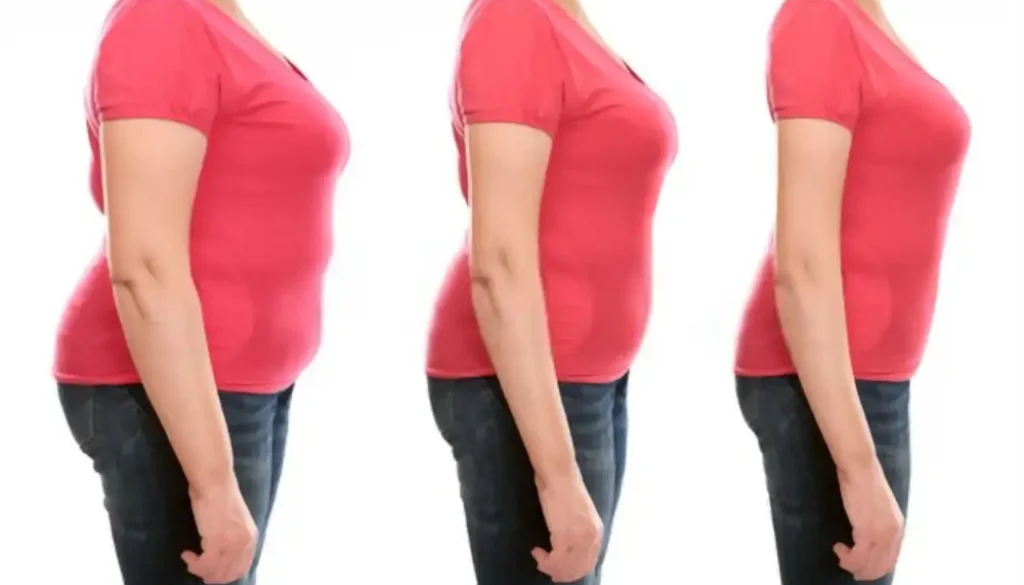
Healthy Weight Loss Tips for Seniors
Safe Weight Loss for Seniors: Evidence-Based Strategies for Adults 60+
Written & Reviewed by


Last updated:
Key Takeaways
- Weight loss after 60 is achievable but requires age-specific strategies focused on preserving muscle mass
- Adults over 65 should consume 1.0-1.2 grams of protein per kilogram of body weight daily to maintain muscle during weight loss
- Medicare covers obesity counseling for seniors with BMI 30+ at no cost when provided by primary care doctors
- Gradual weight loss of 0.5-2 pounds per week is safest for seniors
- Medical supervision is essential before starting any weight loss program after 60
If You Need Emergency Help
Seek immediate medical attention if you experience:
- Unintentional weight loss of 5% body weight in one month or 10% in six months
- Severe weakness, dizziness, or fainting
- Chest pain or difficulty breathing during exercise
- Signs of dehydration: confusion, rapid heartbeat, dark urine
- Severe joint or muscle pain that prevents normal activity
Call 911 or go to your nearest emergency room immediately. For Veterans in crisis, contact the Veterans Crisis Line at 1-800-273-8255.
Why Weight Loss After 60 Is Different
Weight loss becomes more challenging after 60 due to several age-related changes. Around age 60, your basal metabolic rate naturally declines, meaning your body burns calories at a slower rate even if you’re eating the same amount. This biological reality means you need different strategies than you used in your younger years.
The Science Behind Slower Metabolism
Research shows that adverse effects on skeletal muscle size and strength typically start in middle age, with 15.6% of males and 13.4% of females aged 40-59 having low appendicular lean mass. This muscle loss accelerates after 60, directly impacting your ability to burn calories.
What Changes After 60
Metabolism: Your body burns about 100 fewer calories per day every decade after 30. By 60, this adds up significantly.
Muscle Mass: Starting around age 30, muscle mass declines roughly 1-2% per year, but this accelerates after 60.
Appetite Regulation: About 15-20% of seniors experience appetite changes that can affect eating patterns.
Medication Effects: Many medications commonly prescribed to seniors can affect weight, either causing gain or loss.
Reality Check: It’s Not Just About Willpower
The physical changes in your body are real and measurable. What works for younger people when it comes to weight loss doesn’t necessarily work for seniors. This isn’t a failure on your part—it’s biology, and understanding this helps you develop realistic expectations and effective strategies.
Understanding Your Healthy Weight Range
Determining the ideal weight for seniors is more complex than simply consulting standard BMI charts. Some research shows that people who were normal weight in early adulthood and gradually gained some weight in middle age and older (but did not become obese) can have the lowest mortality rates.
BMI Guidelines for Seniors
| BMI Range | Classification | Considerations for Seniors |
|---|---|---|
| 18.5-24.9 | Normal weight | May be too low for some seniors; muscle mass matters more than weight alone |
| 25.0-29.9 | Overweight | Often acceptable for seniors if muscle mass is maintained |
| 30.0-34.9 | Obesity Class I | May benefit from modest weight loss under medical supervision |
| 35.0-39.9 | Obesity Class II | Medical evaluation recommended for weight management options |
| 40.0+ | Obesity Class III | Comprehensive medical management typically needed |
When a Few Extra Pounds May Be Protective
Studies suggest that for seniors, having a few extra pounds can be beneficial when facing chemotherapy or lingering illness. The key is distinguishing between a small weight buffer and excess weight that poses health risks.
Medical Conditions That Affect Weight Goals
Diabetes: Weight loss can improve blood sugar control, but goals should be set with your endocrinologist.
Heart Disease: Even modest weight loss can reduce cardiovascular risk, but exercise limitations may affect approach.
Arthritis: Extra weight stresses joints, but exercise modifications are essential for safe weight loss.
Osteoporosis: Weight-bearing exercise for weight loss can actually strengthen bones when done properly.
Protein: Your Most Important Nutrient
Protein becomes critically important for seniors attempting weight loss because it helps preserve muscle mass while losing fat. The PROT-AGE Study Group recommends adults over 65 consume at least 1.0-1.2 grams of protein per kilogram of body weight daily.
How Much Protein Do You Actually Need?
| Body Weight | Minimum Daily Protein | Optimal Range for Weight Loss |
|---|---|---|
| 140 lbs (64 kg) | 64-77 grams | 77-90 grams |
| 160 lbs (73 kg) | 73-88 grams | 88-102 grams |
| 180 lbs (82 kg) | 82-98 grams | 98-115 grams |
| 200 lbs (91 kg) | 91-109 grams | 109-127 grams |
Why Seniors Need More Protein
Research on anabolic resistance shows that men in their 70s needed 40 grams of protein at one meal to achieve muscle synthesis, while men in their 20s only needed 20 grams. This means your body has become less efficient at using protein as you age.
Timing Your Protein Intake
Research suggests about 30 grams of protein at a time is needed for maximal muscle protein synthesis, and spreading protein throughout the day has been shown to be associated with higher muscle mass in older adults.
Optimal Daily Schedule:
- Breakfast: 25-30 grams
- Lunch: 25-30 grams
- Dinner: 25-30 grams
- Snack (if needed): 10-15 grams
Best Protein Sources for Seniors
Complete Proteins (contain all essential amino acids):
- Lean meats: chicken breast, lean beef, pork tenderloin
- Fish: salmon, tuna, cod, sardines
- Eggs: whole eggs or egg whites
- Dairy: Greek yogurt, cottage cheese, milk
- Quinoa and soy products
High-Quality Plant Proteins:
- Beans and lentils (combine with grains for complete protein)
- Nuts and seeds
- Tofu and tempeh
- Protein-rich vegetables: broccoli, spinach, asparagus
Protein Supplements: When They Make Sense
Protein drinks may be useful for seniors who don’t have a great appetite, as some provide 30 grams of protein in one serving. Choose products with minimal additives and low added sugars.
Warning: Some protein powders have been contaminated with heavy metals. Choose reputable brands that undergo third-party testing.
Safe Exercise Guidelines for Seniors
Exercise becomes even more critical during weight loss after 60 because it helps preserve muscle mass and bone density. For older adults, regular physical activity supports brain function, balance, and bone strength, with recommendations of at least 150 minutes of moderate activity per week.
Before You Start: Medical Clearance
Always consult your doctor before beginning any exercise program if you have:
- Heart disease or chest pain
- High blood pressure (over 160/100)
- Diabetes
- Bone or joint problems
- Any chronic condition requiring medication
Cardiovascular Exercise for Seniors
| Activity Level | Duration | Frequency | Examples |
|---|---|---|---|
| Beginner | 10-15 minutes | 3 days/week | Walking, water aerobics |
| Intermediate | 20-30 minutes | 4-5 days/week | Brisk walking, cycling, swimming |
| Advanced | 30-45 minutes | 5-6 days/week | Hiking, dancing, sports activities |
Strength Training: Essential for Muscle Preservation
You lose muscle mass as you age, and strength training is essential to offset this. Keeping muscle mass is key to burning more calories.
Safe Strength Training Schedule:
- Frequency: 2-3 times per week
- Rest Days: At least one day between sessions
- Sets: 1-3 sets of each exercise
- Repetitions: 8-15 repetitions per set
- Weight: Start light, increase gradually
Low-Impact Exercise Options
For seniors with joint issues or mobility limitations:
Water-Based Exercise:
- Swimming laps
- Water aerobics classes
- Water walking
Chair-Based Exercise:
- Seated strength training
- Chair yoga
- Upper body movements
Balance and Flexibility:
- Tai Chi
- Gentle yoga
- Stretching routines
Warning Signs to Stop Exercise
Stop immediately and seek medical attention if you experience:
- Chest pain or pressure
- Severe shortness of breath
- Dizziness or lightheadedness
- Rapid or irregular heartbeat
- Nausea or vomiting
- Severe joint or muscle pain
Medicare and Insurance Coverage
Understanding your insurance coverage can significantly reduce the cost of weight management. Medicare Part B covers obesity screening and behavioral counseling for beneficiaries with a BMI of 30 or higher when provided by qualified primary care practitioners in primary care settings.
Medicare Intensive Behavioral Therapy (IBT) Coverage
| Service | Coverage Details | Cost to You |
|---|---|---|
| Initial BMI screening | Covered annually | $0 with Medicare-accepting provider |
| Behavioral counseling sessions | Up to 22 sessions in 12 months | $0 with Medicare-accepting provider |
| Follow-up assessments | Covered at 6-month intervals | $0 with Medicare-accepting provider |
IBT Session Schedule
Medicare covers specific session frequencies: one face-to-face visit weekly for the first month, every other week for months 2-6, and monthly for months 7-12 if you achieve required weight loss of 3 kilograms (6.6 pounds) by the 6-month mark.
What IBT Includes
The counseling must follow a structured approach:
- Assess: Discuss steps to get healthier and identify obstacles
- Advise: Provide clear, personalized guidance
- Agree: Collaborate on achievable goals and methods
- Assist: Teach behavior-changing techniques and provide ongoing counseling
- Arrange: Schedule continued support and follow-up sessions
Medicare Limitations
Not Covered by Medicare:
- Weight loss medications (with rare exceptions)
- Commercial weight loss programs (Weight Watchers, etc.)
- Nutritionist consultations outside primary care
- Gym memberships or fitness programs
Exception: Some Medicare Advantage plans may provide enhanced coverage including gym memberships and subscriptions to fitness programs like SilverSneakers.
Veterans’ Weight Management Benefits
The VA’s MOVE! Weight Management Program is available to VA-enrolled veterans with no co-pay, offering individual and group sessions, TeleMOVE! remote monitoring, and comprehensive workbooks.
MOVE! Program Benefits:
- No cost to enrolled veterans
- Multiple participation options (group, individual, virtual)
- Comprehensive educational materials
- Mobile app support (MOVE! Coach)
- TeleHealth options with remote monitoring equipment
Special Considerations by Population
Weight loss strategies may need modification for different senior populations due to unique health considerations, access barriers, or cultural factors.
LGBTQ+ Seniors
LGBTQ seniors are a growing demographic of about 3 million people over 50 who may face unique challenges in accessing healthcare and weight management services.
Specific Considerations:
- May face discrimination in healthcare settings, affecting willingness to seek help
- Higher rates of social isolation can impact motivation and support systems
- May need LGBTQ+-affirming healthcare providers for comfort and trust
Resources:
- SAGE (Services & Advocacy for GLBT Elders) provides national support and resources
- GLMA Health Professionals offers a directory of LGBTQ+-friendly healthcare providers
- Local LGBTQ+ community centers often have senior programs and support groups
Veteran Seniors
Veterans have access to specialized weight management resources through the VA system, but may also face unique challenges.
Specific Considerations:
- Higher rates of PTSD and depression can affect eating behaviors
- Service-connected disabilities may limit exercise options
- Medications for service-connected conditions may affect weight
Resources:
- VA MOVE! Program: Comprehensive weight management program at no cost
- VA Nutrition and Food Services: Educational resources and dietary guidance
- TeleMOVE! program for remote monitoring and support
- MOVE! Coach mobile app for self-guided support
Seniors with Disabilities
Weight management strategies must be adapted for seniors with physical or cognitive disabilities.
Physical Disability Considerations:
- Chair-based exercise programs
- Water therapy options for joint protection
- Modified dietary approaches for swallowing difficulties
- Adaptive equipment for food preparation
Cognitive Disability Considerations:
- Simplified meal planning and preparation
- Caregiver involvement in monitoring
- Clear, consistent routines
- Safety considerations for independent living
Resources:
- Local Area Agencies on Aging provide disability-specific services
- National Institute on Aging offers resources for cognitive health
- Occupational therapy for adaptive strategies
Tribal-Specific Resources
American Indian and Alaska Native seniors may benefit from culturally-specific programs.
Considerations:
- Traditional foods and preparation methods
- Cultural views on body weight and health
- Access challenges in rural areas
- Integration of traditional healing practices
Resources:
- Indian Health Service nutrition programs
- Tribal wellness centers
- Traditional foods and diabetes prevention programs
Rural Seniors
Seniors in rural areas face unique challenges accessing weight management resources.
Specific Challenges:
- Limited access to healthcare providers
- Fewer exercise facilities and programs
- Transportation barriers
- Food access issues (food deserts)
Solutions and Resources:
- Telehealth options for counseling and monitoring
- USDA Rural Development programs for food access
- Community garden initiatives
- Mobile health services
- Online exercise programs and apps
- Local faith-based wellness programs
Warning Signs and When to Stop
Weight loss should improve your health and quality of life. Certain warning signs indicate you should stop your current approach and consult your healthcare provider immediately.
Serious Warning Signs
Stop weight loss efforts and seek immediate medical care if you experience:
| Symptom | What It Might Mean | Action Needed |
|---|---|---|
| Rapid weight loss (>2 lbs/week consistently) | Muscle loss, dehydration, underlying illness | Stop diet, see doctor within 24-48 hours |
| Severe weakness or fatigue | Malnutrition, blood sugar issues | Stop restrictive eating, see doctor immediately |
| Chest pain during exercise | Heart problems | Stop exercise, call 911 if severe |
| Persistent dizziness or fainting | Blood pressure issues, dehydration | Stop current program, see doctor same day |
| Severe mood changes or depression | Nutritional deficiencies, medication interactions | Contact mental health provider |
Concerning Trends
Consult your doctor if you notice:
- No weight loss after 6-8 weeks of consistent effort
- Gaining weight despite following your plan
- Increasing difficulty with daily activities
- Frequent infections or slow healing
- Hair loss or brittle nails
- Persistent cold intolerance
When to Pause Your Program
Temporarily stop weight loss efforts during:
- Acute illness or infection
- Recovery from surgery
- Medication changes that affect appetite
- High stress periods (grieving, major life changes)
- Travel or disrupted routines lasting more than 2 weeks
Resume Gradually: When you’re ready to restart, begin with gentler goals and rebuild slowly.
Resources by Region
Federal Resources (Available Nationwide)
- MyPlate for Older Adults: USDA nutrition guidance specifically for seniors
- National Institute on Aging: Meal planning and nutrition resources
- CDC Nutrition Guidelines: Evidence-based nutrition recommendations
- Medicare.gov Obesity Coverage: Information on covered weight management services
State and Local Resources
To find local resources:
- Contact your local Area Agency on Aging
- Check with your county health department
- Look for senior centers offering nutrition programs
- Ask your healthcare provider for local referrals
Common Local Programs:
- Senior center meal programs and nutrition education
- YMCA/YWCA senior fitness programs
- Hospital-based wellness programs
- Faith-based health ministries
- Community college continuing education health courses
Frequently Asked Questions
Is it safe to lose weight after 70?
Yes, but with important caveats. Weight loss after 70 is “a lot like losing weight after turning 30 or 40 or 50: It’s often way harder than you think it is going to be. But it is also very doable, and if your health depends on it, it’s very worth it”. The key is medical supervision and realistic goals.
Safe approaches for seniors over 70:
- Aim for 0.5-1 pound per week maximum
- Focus on preserving muscle mass
- Emphasize nutrition quality over calorie restriction
- Include strength training appropriate for your fitness level
- Regular medical monitoring
How much weight should I try to lose?
Even losing 5-10% of your body weight can improve your health significantly. For a 180-pound person, this means 9-18 pounds can make a meaningful difference in energy, mobility, and health markers.
Realistic goals by starting weight:
- 150 lbs: 7-15 pound goal
- 180 lbs: 9-18 pound goal
- 200 lbs: 10-20 pound goal
Will I lose muscle during weight loss?
Some muscle loss during weight loss is normal, but it can be minimized with proper strategies:
Muscle preservation strategies:
- Adequate protein intake (1.0-1.2 g/kg body weight daily)
- Regular strength training 2-3 times per week
- Gradual weight loss (0.5-2 lbs per week maximum)
- Adequate sleep (7-9 hours nightly)
Can I do this without exercise?
While possible, exercise significantly improves outcomes and safety. Regular exercise can be “extremely valuable” and “there are classes all over the area for aging adults, including senior group fitness classes for people who want structure and companionship”.
If traditional exercise isn’t possible:
- Focus on increasing daily movement
- Try chair-based exercises
- Consider water-based activities
- Prioritize muscle-preserving activities like gardening
What if I have diabetes?
Weight loss can significantly improve diabetes management, but requires careful coordination with your healthcare team.
Special considerations for diabetics:
- Monitor blood sugar more frequently during weight loss
- Medication dosages may need adjustment as you lose weight
- Focus on complex carbohydrates and protein
- Never skip meals or drastically reduce calories
- Work with a certified diabetes educator if available
Are weight loss supplements safe for seniors?
Most weight loss supplements are not recommended for seniors due to potential interactions with medications and underlying health conditions.
Generally avoid:
- Products containing stimulants (caffeine, ephedra)
- “Fat burners” or metabolism boosters
- Appetite suppressants
- Products with unclear ingredient lists
Potentially helpful:
- Protein powders (choose carefully for quality)
- Vitamin D if deficient
- B12 if recommended by your doctor
- Omega-3 fatty acids for overall health
Always consult your pharmacist or doctor before adding any supplements.
How do I handle social eating situations?
Social eating is important for mental health and shouldn’t be completely avoided.
Strategies for social eating:
- Eat a small protein-rich snack before social events
- Focus on the social aspect rather than the food
- Choose smaller portions of your favorite foods
- Offer to bring a healthy dish you enjoy
- Don’t completely restrict yourself—balance is key
What if my spouse isn’t supportive?
Lack of family support can make weight loss more challenging but not impossible.
Building support:
- Explain your health goals and why they’re important
- Ask for specific help rather than general support
- Consider joining a support group or working with a counselor
- Focus on changes that don’t require family participation
- Set boundaries around sabotaging behaviors
About This Guide
Researched and Compiled by Grants for Seniors
This guide has been carefully researched using publicly available government resources, official medical organization guidelines, and peer-reviewed research. We systematically review federal and state program information to create comprehensive, accurate guides for older Americans seeking health and wellness information.
Our Sources: All information comes from official sources including federal agency websites (CDC, USDA, CMS, NIH), medical research publications, official program documentation, and verified healthcare organization resources.
Verification Process: Each recommendation undergoes thorough verification by cross-referencing information across multiple official sources, checking current medical guidelines, verifying contact information, and confirming program availability and requirements.
Information Currency:
- Last Updated: August 2025
- Sources Verified: August 2025
- Next Review: February 2026
Important Note: Government programs and medical recommendations can change without advance notice. While this guide uses the most current available information, we strongly recommend verifying all details directly with your healthcare providers and program administrators before making health decisions.
Found an Error? If you discover outdated information or additional resources that should be included, please contact us at info@grantsforseniors.org.
Disclaimer: This guide is for informational purposes only and does not constitute professional medical advice. Weight loss after 60 involves significant health considerations that vary by individual. Always confirm all recommendations with your healthcare providers before beginning any weight loss program. Individual results may vary, and what works for one person may not be appropriate for another. This resource is independently researched to help seniors access available health and wellness information.
Medical Disclaimer: The information in this guide is not intended to replace professional medical advice, diagnosis, or treatment. Always seek the advice of your physician or other qualified health provider with any questions you may have regarding weight loss, exercise, or any medical condition. Never disregard professional medical advice or delay in seeking it because of something you have read in this guide. If you think you may have a medical emergency, call your doctor or 911 immediately.
Weight Loss Warning: Rapid or unsupervised weight loss can be dangerous for seniors. Before beginning any weight loss program, consult with your healthcare provider, especially if you have chronic health conditions, take medications, or have a history of eating disorders. Stop any weight loss efforts and seek medical attention if you experience concerning symptoms.
About the Authors