
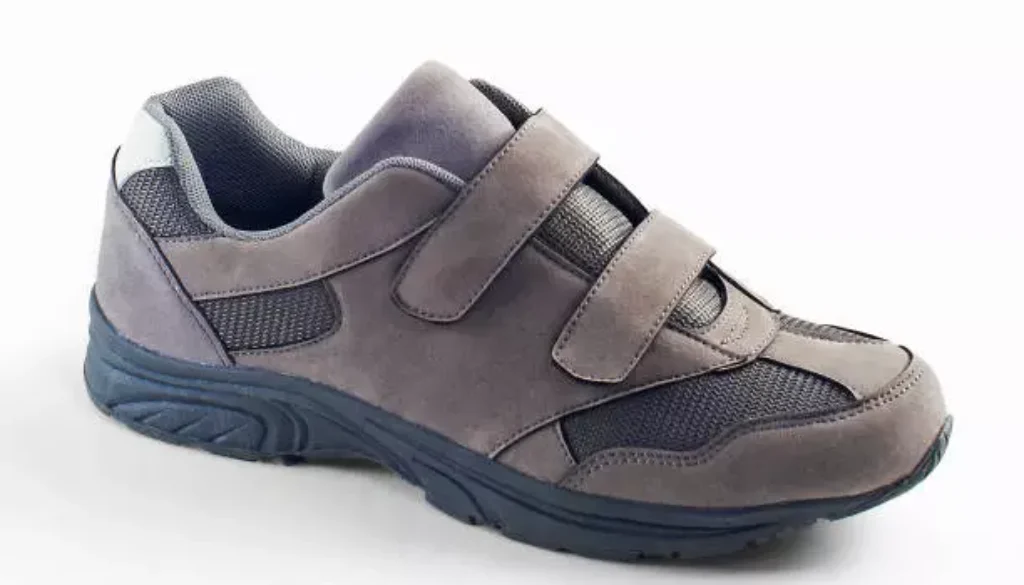
Velcro Shoes for Seniors
Velcro Shoes for Seniors: Complete 2025 Health, Safety, and Financial Guide
Emergency Section – When Foot Problems Need Immediate Care
Written & Reviewed by


Call 911 immediately if you experience:
- Sudden severe pain, swelling, or inability to bear weight on feet
- Open wounds, cuts, or bleeding that won’t stop with pressure
- Signs of infection: fever, red streaks from foot upward, pus, warmth
- Chest pain or difficulty breathing after struggling to put on shoes
- Loss of consciousness or severe dizziness
Seek same-day medical care for:
- New or worsening foot ulcers (especially for diabetics)
- Sudden changes in foot sensation, color, or temperature
- Severe joint pain that prevents normal walking
- Signs of circulation problems: cold feet, blue/purple color
- Swelling that doesn’t improve with elevation
Emergency contacts to keep handy:
- Your primary care doctor’s after-hours number
- Local emergency room location and phone
- Family member or caregiver contact information
- List of current medications and medical conditions
Warning signs that velcro shoes aren’t working:
- Frequent falls or near-falls when wearing them
- New pressure sores or blisters developing
- Increasing difficulty with balance or walking
- Pain that worsens despite proper footwear
Key Takeaways
✅ Velcro shoes are often a medical necessity – not just convenience – for seniors with arthritis, limited dexterity, or balance problems
✅ Medicare may cover therapeutic velcro shoes – but only for diabetics with documented severe foot disease and doctor prescription
✅ Proper fit is critical – poorly fitting velcro shoes increase fall risk and can cause serious injury
✅ Quality matters for safety – cheap velcro wears out quickly, creating dangerous loose-fitting shoes
✅ Financial assistance exists – grants, senior discounts, and assistance programs can help with costs
Why Velcro Shoes Become Essential for Seniors
Velcro shoes aren’t just about convenience for seniors – they’re often a crucial safety and independence tool. Research from the Arthritis Foundation shows that arthritis affects joint pain, stiffness, and mobility, making traditional laces nearly impossible for many seniors to manage safely.
The Medical Reality
Arthritis impacts 58.5 million adults, with the highest rates among seniors. For many, the simple act of bending to tie shoes becomes painful or impossible due to:
- Joint stiffness in hands and fingers making lace manipulation difficult
- Reduced flexibility preventing seniors from reaching their feet safely
- Balance problems making bending over dangerous (risk of falling)
- Hand strength loss making it impossible to pull laces tight enough
The Independence Factor
When seniors can’t manage their own shoes, they often:
- Stay in slippers all day (increasing fall risk)
- Avoid going out (leading to isolation and depression)
- Require caregiver assistance for basic dressing (loss of dignity)
- Wear ill-fitting slip-on shoes (causing foot problems)
Velcro shoes restore independence by allowing seniors to manage their footwear safely and effectively.
Medicare and Insurance Coverage Reality
Let’s be honest about velcro shoe coverage – most seniors will pay out-of-pocket, but some coverage options exist.
Medicare Coverage for Therapeutic Velcro Shoes
Medicare Part B covers velcro shoes ONLY for diabetics with:
- Documented severe diabetic foot disease (ulcers, amputation history, poor circulation)
- Prescription from Medicare-enrolled doctor
- Purchase from Medicare-approved supplier
- Annual limit: 1 pair extra-depth shoes OR custom-molded shoes
- Cost: 20% copay after $257 deductible (2025)
Coverage includes velcro modifications as specified in Medicare policy: “Other modifications to diabetic shoes include, but are not limited to flared heels, Velcro closures, and inserts for missing toes.”
Medicare Will NOT Cover:
- Velcro shoes for arthritis, balance problems, or general convenience
- Multiple pairs for different activities
- Replacement shoes due to normal wear
- Shoes for non-diabetic seniors with foot problems
Alternative Financial Assistance Programs
State Medicaid Programs: Some state Medicaid programs cover adaptive equipment for qualifying low-income seniors. Contact your state Medicaid office for current programs.
Veterans Benefits: Veterans may qualify for adaptive equipment through VA programs. Contact your local VA for current offerings.
Local Assistance Programs:
- Area Agencies on Aging often have equipment assistance funds
- United Way and faith-based organizations sometimes provide footwear assistance
- Senior centers may have equipment loan programs
- Disability advocacy organizations occasionally offer grants
Senior Discount Programs:
- Many stores offer 10-15% senior discounts on specific days
- AARP membership provides discounts at various retailers
- Some medical supply stores offer senior pricing
Budget Reality Check: Quality velcro shoes cost $60-200+. Compare this to potential medical costs – a single fall can result in $30,000+ in medical bills.
Common Senior Conditions Requiring Velcro Shoes
Arthritis – The Primary Driver
Arthritis affects 58.5 million adults, with highest rates among seniors. The condition causes:
- Joint pain and stiffness in hands making laces difficult
- Reduced grip strength preventing proper shoe tightening
- Morning stiffness making shoe tasks nearly impossible
- Progressive joint damage that worsens over time
Velcro Solution: Easy-grip straps require minimal hand strength and finger dexterity.
Diabetes and Neuropathy
Diabetic seniors often experience:
- Neuropathy (nerve damage) reducing sensation in fingers and feet
- Poor circulation making bending over dangerous
- Foot complications requiring seamless, adjustable shoes
- Vision problems making lace tying difficult or impossible
Medical Necessity: Many diabetic seniors require velcro shoes for safe foot care and injury prevention.
Balance and Mobility Disorders
Seniors with balance problems face increased fall risk when:
- Bending over to tie shoes (common fall trigger)
- Wearing loose shoes that slip off or catch
- Struggling with traditional closures while standing
Safety Factor: Velcro shoes allow seniors to put on secure footwear while seated or with minimal bending.
Stroke and Neurological Conditions
Post-stroke seniors often have:
- One-sided weakness making two-handed lace tying impossible
- Fine motor skill loss affecting finger coordination
- Cognitive changes making complex tasks difficult
- Fatigue that makes simple tasks exhausting
8 Best Velcro Shoes for Seniors (2025 Medical Reviews)
1. Propet Stability X Strap – Best Overall for Balance Issues
Price: $90-110 | Where to Buy: Propet.com, medical supply stores, Amazon
Why It’s Perfect for Seniors: Specifically designed for seniors with balance and stability issues. The dual-strap system provides secure fit adjustability, while the EVA midsole offers excellent shock absorption for aging joints.
Medical Benefits:
- Wide base design improves stability and reduces fall risk
- Gel heel pad provides cushioning for arthritis pain
- Arch support helps with plantar fasciitis and flat feet
- Available in 5 widths (including 4E and 6E for severe swelling)
Senior-Specific Features:
- Two adjustable straps accommodate daily foot swelling
- Easy-grip tabs for seniors with limited hand strength
- Removable insoles allow custom orthotic insertion
- Non-slip outsole for fall prevention
Pros:
- Excellent stability features for balance-impaired seniors
- Multiple width options accommodate foot changes
- Medicare-approved for qualifying diabetic patients
- Durable construction lasts longer than cheaper alternatives
Cons:
- Higher price point ($90-110)
- May look medical rather than fashionable
- Requires break-in period for some users
Best For: Seniors with balance problems, diabetes, or significant foot swelling who need maximum stability.
2. Orthofeet Serene – Best for Women with Arthritis and Edema
Price: $130-150 | Where to Buy: Orthofeet.com, Amazon
Why It’s Perfect for Seniors: Designed specifically for women with foot problems including arthritis, diabetes, and edema. Features premium orthotic insoles and soft, seamless interior to prevent pressure points.
Medical Benefits:
- Seamless interior prevents diabetic ulcers
- Extra-depth design accommodates severe swelling
- Built-in orthotic support reduces pain
- Anti-microbial foam prevents infections
Senior-Specific Features:
- Three width options (standard, wide, extra-wide)
- Hook-and-loop straps easy for arthritic hands
- Soft padded fabric interior for sensitive skin
- Wide toe box prevents pressure on bunions
Pros:
- Excellent for multiple foot conditions simultaneously
- High-quality materials and construction
- APMA (American Podiatric Medical Association) accepted
- Reduces pain for various arthritis conditions
Cons:
- Expensive ($130-150)
- Limited color options
- Some users report insufficient arch support
Best For: Women with multiple foot problems including arthritis, diabetes, and circulation issues.
3. Dr. Comfort Winner – Best Medicare-Eligible Option
Price: $120-140 | Where to Buy: DrComfort.com, medical supply stores
Why It’s Perfect for Seniors: A Medicare-approved therapeutic shoe designed for diabetic foot care with velcro closure system. Features protective toe box and removable insoles for custom orthotics.
Medical Benefits:
- PDAC A5500 approved for Medicare coverage (qualifying diabetics)
- Protective toe box prevents injury
- Seamless interior reduces ulcer risk
- Extra depth accommodates custom orthotics
Senior-Specific Features:
- Easy toggle closure system (alternative to traditional velcro)
- Removable insoles allow orthotic customization
- Premium leather construction provides durability
- Multiple width options (medium, wide, extra-wide)
Pros:
- Medicare may cover for qualifying diabetic patients
- High-quality construction and materials
- Protective features reduce injury risk
- Professional medical approval
Cons:
- Higher cost without Medicare coverage
- Medical appearance may not suit all preferences
- Limited to diabetic seniors for insurance coverage
Best For: Diabetic seniors with documented foot problems who may qualify for Medicare coverage.
4. New Balance 577 V1 Hook and Loop – Best Brand Recognition and Quality
Price: $85-95 | Where to Buy: NewBalance.com, sporting goods stores
Why It’s Perfect for Seniors: From trusted New Balance brand, featuring their signature ABZORB cushioning technology and hook-and-loop closure. Designed for walking with excellent shock absorption.
Medical Benefits:
- ABZORB cushioning protects joints from impact
- Motion control features help with overpronation
- Leather upper provides durability and support
- Available in multiple widths
Senior-Specific Features:
- Hook-and-loop straps easy for limited dexterity
- Wide range of sizes (7-15 for men, 5-12 for women)
- Familiar brand trusted by seniors
- Good customer service and return policies
Pros:
- Trusted brand with good reputation
- Excellent cushioning and shock absorption
- Available in multiple widths
- Good value for quality construction
Cons:
- May not provide enough support for severe foot problems
- Limited color options
- Not specifically designed for medical conditions
Best For: Healthy seniors who want quality velcro shoes from a trusted brand without specific medical needs.
5. Skechers Afterburn Memory Fit – Best Budget Option
Price: $55-70 | Where to Buy: Skechers.com, department stores
Why It’s Perfect for Seniors: Affordable athletic shoe with dual velcro straps and memory foam insole. Good entry-level option for seniors wanting to try velcro shoes without major investment.
Medical Benefits:
- Memory foam insole provides cushioning
- Shock-absorbing midsole reduces joint impact
- Padded collar and tongue for comfort
- Flexible rubber outsole for traction
Senior-Specific Features:
- Two adjustable straps for secure fit
- Easy-grip velcro tabs
- Lightweight design reduces fatigue
- Machine washable for easy care
Pros:
- Very affordable price point
- Comfortable memory foam cushioning
- Available at many retail locations
- Good for seniors wanting to try velcro shoes
Cons:
- Basic construction may not last as long
- Limited width options
- Not designed for specific medical conditions
Best For: Budget-conscious seniors or those wanting to try velcro shoes without major investment.
6. Propet Tour Walker – Best for Diabetic Foot Care
Price: $85-95 | Where to Buy: Propet.com, diabetic supply stores
Why It’s Perfect for Seniors: Medicare-approved diabetic shoe with velcro closure specifically designed for diabetic foot care. Features extra depth and seamless interior construction.
Medical Benefits:
- A5500 Medicare approved for diabetic patients
- Extra depth accommodates diabetic foot changes
- Seamless interior prevents pressure points
- Antimicrobial treatment prevents infections
Senior-Specific Features:
- Hook-and-loop closure easy for limited dexterity
- Removable insoles for custom orthotics
- Available in multiple widths
- Professional fitting available
Pros:
- Medicare coverage for qualifying diabetic patients
- Specifically designed for diabetic foot care
- Professional medical recommendation
- Good durability and construction
Cons:
- Medical appearance
- Higher cost without insurance coverage
- Limited to diabetic patients for coverage
Best For: Diabetic seniors with documented foot complications who need Medicare-approved therapeutic footwear.
7. Orthofeet Sprint Tie-Less – Best of Both Worlds Design
Price: $135-155 | Where to Buy: Orthofeet.com
Why It’s Perfect for Seniors: Innovative design combines the look of laced shoes with velcro functionality. Features elastic laces in front with velcro heel strap for easy on/off.
Medical Benefits:
- Premium orthotic insoles provide therapeutic support
- Seamless interior prevents pressure points
- Extra depth accommodates foot changes
- Shock-absorbing midsole protects joints
Senior-Specific Features:
- Looks like traditional laced shoe (better appearance)
- Velcro heel strap allows easy slip-on wearing
- Available in multiple widths
- Therapeutic features address foot problems
Pros:
- Combines appearance of laced shoes with velcro ease
- High-quality therapeutic features
- Good for seniors who want normal shoe appearance
- Excellent support and cushioning
Cons:
- Higher price point
- More complex design may confuse some seniors
- Limited availability compared to other options
Best For: Seniors who want the therapeutic benefits of velcro shoes but prefer the appearance of traditional laced footwear.
8. Avia Avi-Union II – Best Active Senior Option
Price: $60-75 | Where to Buy: Amazon, discount retailers
Why It’s Perfect for Seniors: Athletic velcro shoe designed for active seniors who want to maintain fitness activities. Features dual straps and good shock absorption for walking exercise.
Medical Benefits:
- Good shock absorption for joint protection
- Removable memory foam insole
- Non-slip outsole for fall prevention
- Padded collar for ankle comfort
Senior-Specific Features:
- Dual velcro straps for secure fit
- Lightweight design for less fatigue
- Easy to put on and remove
- Good traction for outdoor activities
Pros:
- Good for seniors who remain physically active
- Affordable price for quality features
- Comfortable for extended wear
- Good shock absorption
Cons:
- Not designed for specific medical conditions
- Limited width options
- May not provide enough support for foot problems
Best For: Active seniors without specific foot problems who want velcro convenience for exercise and activities.
Detailed Comparison Tables
Medical Features and Coverage Comparison
| Model | Medicare Eligible | Diabetic-Friendly | Arthritis Support | Width Options | Fall Prevention |
|---|---|---|---|---|---|
| Propet Stability X | Yes (diabetics) | Excellent | Very Good | 5 options | Excellent |
| Orthofeet Serene | No | Excellent | Excellent | 3 options | Good |
| Dr. Comfort Winner | Yes (diabetics) | Excellent | Good | 3 options | Good |
| New Balance 577 | No | Good | Fair | Multiple | Good |
| Skechers Afterburn | No | Fair | Fair | Limited | Fair |
| Propet Tour Walker | Yes (diabetics) | Excellent | Good | Multiple | Good |
| Orthofeet Sprint | No | Very Good | Excellent | 3 options | Good |
| Avia Avi-Union | No | Fair | Fair | Limited | Good |
Price and Value Comparison by Retailer
| Retailer | Propet Stability | Orthofeet Serene | Dr. Comfort | New Balance 577 | Skechers Afterburn |
|---|---|---|---|---|---|
| Brand Direct | $99 | $140 | $130 | $90 | $65 |
| Amazon | $90-110 | $130-150 | $120-140 | $80-95 | $55-70 |
| Medical Supply | $99 | $140 | $130 | N/A | N/A |
| Department Stores | N/A | N/A | N/A | $85-95 | $60-75 |
| Senior Discounts | 10-15% off | 10% off | Varies | 10-15% off | 10% off |
Prices as of August 2025, subject to sales and promotions
Senior-Specific Features Matrix
| Feature | Why Critical for Seniors | Best Models | Medical Importance |
|---|---|---|---|
| Easy-grip velcro | Arthritis limits hand strength | All models | High – enables independence |
| Multiple widths | Daily swelling changes | Propet, Orthofeet, Dr. Comfort | High – prevents pressure problems |
| Removable insoles | Custom orthotic accommodation | Propet, Dr. Comfort, Tour Walker | Medium – allows medical customization |
| Wide toe box | Bunions, hammertoes | Orthofeet, Propet models | High – prevents pressure ulcers |
| Non-slip soles | Fall prevention | All quality models | Critical – prevents injuries |
| Seamless interior | Prevents diabetic ulcers | Orthofeet, Dr. Comfort | High for diabetics |
Cost vs. Medical Need Analysis
| Medical Condition | Recommended Models | Expected Cost | Potential Medicare Coverage | Alternative Funding |
|---|---|---|---|---|
| Diabetes with foot problems | Dr. Comfort, Propet Tour Walker | $85-140 | 80% after deductible | State Medicaid may help |
| Arthritis (hands/feet) | Orthofeet Serene, Propet Stability | $90-150 | None | Area Agency on Aging grants |
| Balance problems | Propet Stability X, New Balance 577 | $85-110 | None | VA benefits for veterans |
| General senior needs | Skechers Afterburn, Avia | $55-75 | None | Senior discounts, local assistance |
Financial Assistance and Grant Programs
Federal Programs
Medicare Part B: Limited coverage for diabetic therapeutic shoes as detailed above. Must meet strict medical criteria and use approved suppliers.
Medicaid: Some state Medicaid programs cover adaptive equipment. Coverage varies significantly by state – contact your local Medicaid office.
Veterans Administration: Veterans may qualify for adaptive equipment through medical programs. Contact your local VA medical center.
State and Local Assistance
Area Agencies on Aging: Many local agencies offer equipment grants for seniors. Find yours at Eldercare.acl.gov.
State Disability Programs: Some states have assistive technology loan or grant programs for seniors with disabilities.
United Way and Community Organizations: Local United Way chapters and faith-based organizations sometimes provide footwear assistance.
Discount Programs
AARP Membership: Provides discounts at many retailers selling senior footwear.
Senior Discount Days: Many stores offer 10-15% discounts on specific days for seniors.
Medical Supply Store Programs: Some medical suppliers offer payment plans or senior pricing.
Manufacturer Programs: Some companies offer direct discounts for seniors – call customer service to inquire.
Realistic Budget Expectations
- Basic velcro shoes: $55-85 (suitable for healthy seniors)
- Medical-grade velcro shoes: $85-155 (for specific foot conditions)
- Medicare-covered shoes: 20% of approved amount (typically $20-40 out-of-pocket)
- Replacement frequency: Every 6-12 months with regular use
Real Challenges You’ll Face
Shopping Difficulties
Limited local selection: Many stores don’t carry velcro shoes in appropriate sizes and widths for seniors. Online shopping may be necessary but makes fitting difficult.
Sizing complications: Senior feet often change size and shape. Previous shoe sizes may no longer fit properly.
Quality assessment: Hard to judge construction quality and velcro durability without handling shoes in person.
Fit and Comfort Issues
Velcro wear-out: Cheap velcro loses grip quickly, creating dangerous loose-fitting shoes. Quality matters for safety.
Adjustment difficulties: Some seniors find velcro straps confusing or have trouble getting proper tightness.
Appearance concerns: Some seniors feel velcro shoes look “old” or medical, affecting self-esteem.
Medical and Safety Challenges
Getting proper medical evaluation: Many doctors don’t understand the importance of proper footwear for senior independence and safety.
Insurance navigation: Medicare coverage rules are complex, and many seniors miss opportunities for covered shoes.
Family resistance: Adult children sometimes don’t understand why parents need “special” shoes.
Maintenance Realities
Velcro cleaning: Lint and debris clog velcro hooks, reducing effectiveness. Regular cleaning needed.
Replacement timing: Seniors often wear shoes too long past their safe lifespan, increasing fall risk.
Weather considerations: Some velcro shoes aren’t suitable for wet conditions, limiting outdoor activities.
When Velcro Shoes Aren’t Appropriate
Medical Contraindications
- Seniors with severe balance disorders may need more supportive ankle boots
- Those with significant foot deformities may need custom-made shoes
- Patients with acute foot infections should avoid enclosed footwear until cleared by doctor
Lifestyle Limitations
- Very active seniors may need sport-specific footwear for activities
- Formal occasions may require dress shoes (though dressy velcro options exist)
- Outdoor work or activities may need specialized safety footwear
Alternative Solutions
Elastic laces: Convert regular shoes to slip-on style while maintaining laced appearance Shoe horns: Long-handled versions help with slip-on shoes Zipper shoes: Some seniors find zippers easier than velcro Professional shoe fitting: Certified pedorthist can recommend best options
Frequently Asked Questions
Q: Will Medicare pay for my velcro shoes? A: Medicare Part B covers therapeutic shoes with velcro closures only for diabetics with documented severe foot disease like ulcers, amputation history, or poor circulation. You need a prescription from a Medicare-enrolled doctor and must buy from approved suppliers. Most seniors don’t qualify – Medicare won’t cover velcro shoes for arthritis, balance problems, or general convenience. Always consult your healthcare provider to determine if you meet Medicare’s strict medical criteria.
Q: How often should I replace my velcro shoes? A: Replace velcro shoes every 6-12 months with regular use, or when the velcro loses grip, soles wear smooth, or cushioning compresses flat. Check monthly for worn velcro straps – if they don’t hold securely, the shoes become dangerous. Don’t wait for visible wear – internal support breaks down before it’s obvious. Consult your healthcare provider if you notice changes in balance or comfort that might be shoe-related.
Q: My arthritis makes it hard to use velcro – what should I do? A: Try shoes with larger velcro tabs that are easier to grip, or consider elastic laces that convert regular shoes to slip-on style. Some seniors find zipper closures easier than velcro. Physical therapy can help maintain hand strength and dexterity. Occupational therapists can recommend adaptive tools to help with velcro manipulation. Always consult your healthcare provider about hand exercises and arthritis management options.
Q: Can I wear velcro shoes if I have diabetes? A: Diabetic seniors should choose velcro shoes specifically designed for diabetic foot care, with seamless interiors, extra depth, and protective features. Look for Medicare-approved brands like Dr. Comfort or Propet. Regular athletic velcro shoes may not provide adequate protection for diabetic feet. Daily foot inspection is critical regardless of shoe type. Always consult your healthcare provider about appropriate diabetic footwear and foot care requirements.
Q: Why are good velcro shoes so expensive? A: Quality velcro shoes cost more because they use medical-grade materials, therapeutic features, and durable construction necessary for senior safety. Cheap velcro wears out quickly, creating dangerous loose shoes that increase fall risk. Consider the cost vs. potential medical bills from falls or foot problems. Look for assistance programs through Area Agencies on Aging or senior discounts. Always consult your healthcare provider about the most cost-effective options for your specific needs.
Q: What’s the difference between regular velcro shoes and medical ones? A: Medical-grade velcro shoes feature seamless interiors to prevent pressure sores, extra depth for swelling accommodation, therapeutic insoles, and specialized materials for sensitive feet. Regular velcro shoes focus on convenience but may lack safety features seniors need. Medical versions often qualify for insurance coverage if you meet criteria. The construction quality and durability are typically much higher. Consult your healthcare provider about whether you need medical-grade features for your conditions.
Q: My velcro shoes keep coming loose – what’s wrong? A: This usually means the velcro is worn out (needs replacement), you’re not getting proper fit (may need different size/width), or the shoes are poor quality. Loose shoes are dangerous and increase fall risk significantly. Try cleaning the velcro with a small brush, but if that doesn’t help, replace the shoes immediately. Check for proper fit – shoes should feel secure but not tight. Consider professional fitting assessment. Always consult your healthcare provider if shoe fit problems affect your mobility or balance.
Additional Resources for Senior Footwear
Professional Medical Support
- Podiatrists: Foot and ankle specialists who can assess footwear needs – Find Medicare providers
- Certified Pedorthists: Shoe fitting specialists trained in therapeutic footwear
- Occupational Therapists: Can help with adaptive techniques for shoe management
- Physical Therapists: Balance and mobility assessment specialists
Medical Organizations
- American Podiatric Medical Association: www.apma.org – foot health information and shoe recommendations
- Arthritis Foundation: www.arthritis.org – arthritis-friendly footwear guides
- American Diabetes Association: Diabetic foot care and footwear guidance
Government Resources
- Medicare.gov: www.medicare.gov/coverage/therapeutic-shoes-inserts – official coverage information
- Area Agency on Aging: eldercare.acl.gov – find local assistance programs
- VA Benefits: www.va.gov – veterans adaptive equipment programs
Senior Support Organizations
- National Council on Aging: www.ncoa.org – benefits and assistance programs
- AARP: www.aarp.org – senior discounts and resources
- Older Adults Technology Services (OATS): Technology assistance for seniors
Where to Buy – Official Links
Medical Footwear Specialists:
- Orthofeet: www.orthofeet.com – therapeutic footwear specialist
- Dr. Comfort: www.drcomfort.com – Medicare-approved diabetic shoes
- Propet: propetfootwear.com – senior and therapeutic footwear
Major Retailers:
- Amazon: Largest selection but difficult fitting – good return policy essential
- Zappos: Free shipping both ways, excellent customer service
- Local medical supply stores: Personal fitting service, may accept insurance
Brand Direct:
- New Balance: www.newbalance.com – athletic and walking shoes
- Skechers: www.skechers.com – comfort and athletic footwear
Disclaimer
This article is for informational purposes only and should not replace professional medical advice. Footwear needs vary greatly among individual seniors based on medical conditions, mobility levels, and personal circumstances. What works for one senior may not be appropriate or safe for another.
Medicare and insurance coverage rules change frequently and vary by individual circumstances. Always verify current coverage information directly with Medicare, your insurance provider, or qualified insurance professionals before making purchasing decisions based on coverage expectations. The coverage information provided reflects 2025 guidelines but may change.
Individual medical conditions such as diabetes, arthritis, balance disorders, and circulation problems require personalized assessment by healthcare professionals. Always consult your healthcare provider before making significant changes to your footwear, especially if you have diabetes, foot problems, balance issues, or other medical conditions that affect mobility or foot health.
The authors and publishers are not responsible for any injuries, falls, medical complications, or financial losses that may result from following this advice. Proper footwear selection, medical care, and safety precautions should always be made in consultation with qualified healthcare professionals who can assess individual risk factors and appropriateness.
Prices, product availability, and assistance program details can change without notice. Always verify current information with retailers, manufacturers, and assistance programs before making financial commitments.
Last updated: August 2025
About the Authors